Hugh Marlowe

Philadelphia, Pennsylvania, USA

Biography

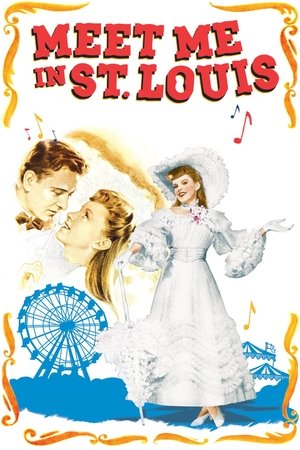
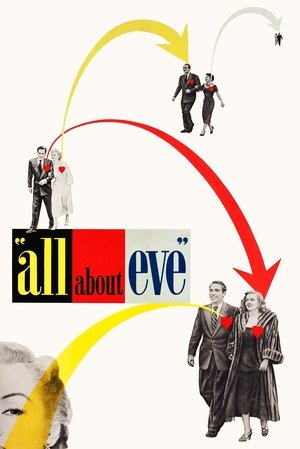
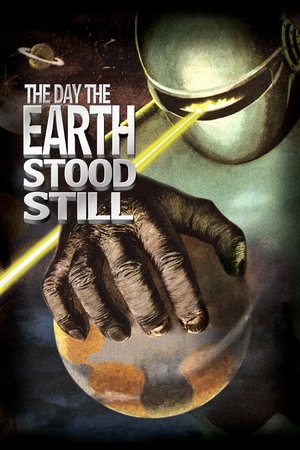
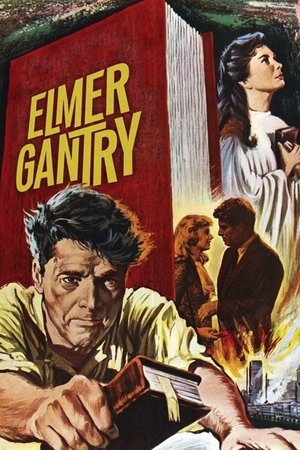
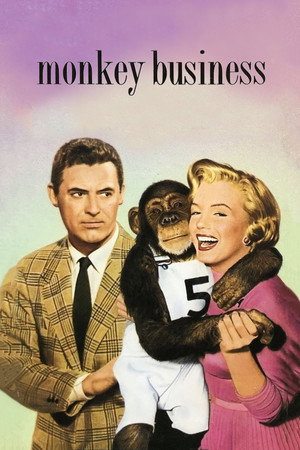
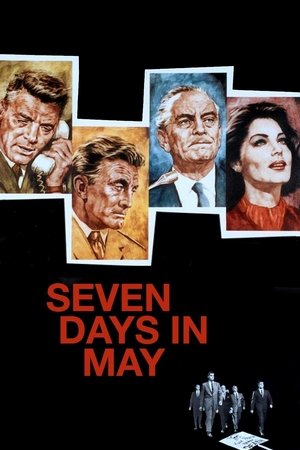
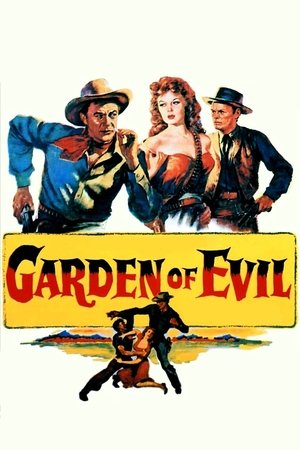
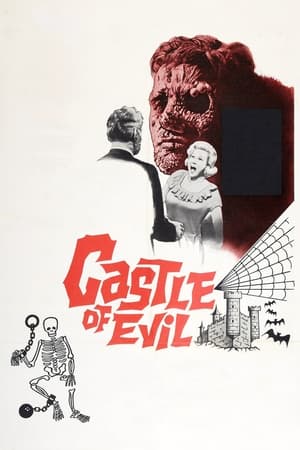
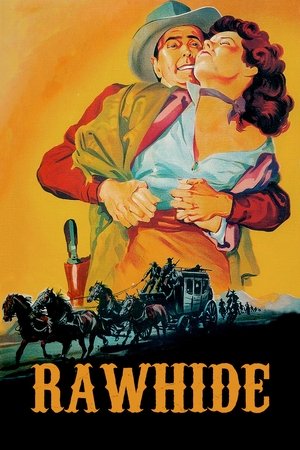
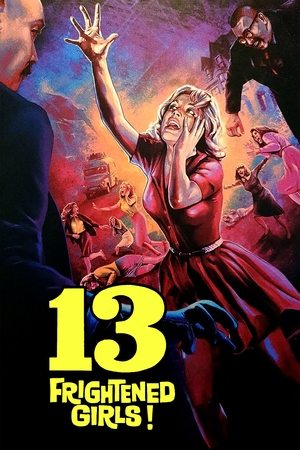
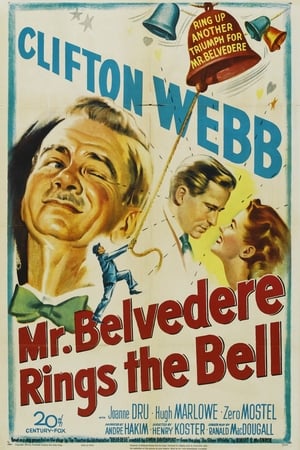
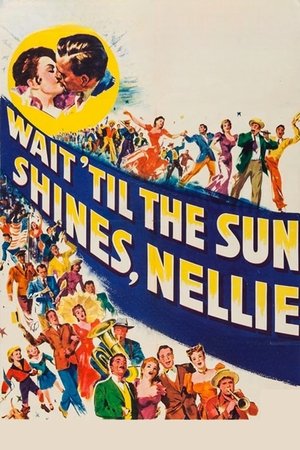
Hugh Marlowe (January 30, 1911 – May 2, 1982) was an American film, television, stage and radio actor. Marlowe was born Hugh Herbert Hipple in Philadelphia, Pennsylvania, and began his stage career in the 1930s at the Pasadena Playhouse in California. Marlowe was usually a secondary lead or supporting actor in the films he appeared in. His films included Meet Me in St. Louis (1944), Twelve O'Clock High (1949), All About Eve (1950), The Day the Earth Stood Still (1951), Howard Hawks' Monkey Business (1952), Earth vs. the Flying Saucers (1956), Elmer Gantry (1960), Birdman of Alcatraz (1962) and Seven Days in May (1964). Marlowe was also a regular on the daytime television soap opera, Another World, the last of four actors to portray Matthews family patriarch Jim Matthews, from 1969 until his death from a heart attack, at age 71, in 1982. Description above from the Wikipedia article  Hugh Marlowe, licensed under CC-BY-SA, full list of contributors on Wikipedia.  

Movies

Matinee Theater is an American anthology series that aired on NBC during the Golden Age of Television, from 1955 to 1958. The series, which ran daily in the afternoon, was frequently live. It was produced by Albert McCleery, Darrell Ross, George Cahan and Frank Price with executive producer George Lowther. McCleery had previously produced the live series Cameo Theatre which introduced to television the concept of theater-in-the-round, TV plays staged with minimal sets. Jim Buckley of the Pewter Plough Playhouse recalled: When Al McCleery got back to the States, he originated a most ambitious theatrical TV series for NBC called Matinee Theater: to televise five different stage plays per week live, airing around noon in order to promote color TV to the American housewife as she labored over her ironing. Al was the producer. He hired five directors and five art directors. Richard Bennett, one of our first early presidents of the Pewter Plough Corporation, was one of the directors and I was one of the art directors and, as soon as we were through televising one play, we had lunch and then met to plan next week’s show. That was over 50 years ago, and I’m trying to think; I believe the TV art director is his own set decorator —yes, of course! It had to be, since one of McCleery’s chief claims to favor with the producers was his elimination of the setting per se and simply decorating the scene with a minimum of props. It took a bit of ingenuity.
More info
Matinee Theater
1955