Biography
From Wikipedia, the free encyclopedia
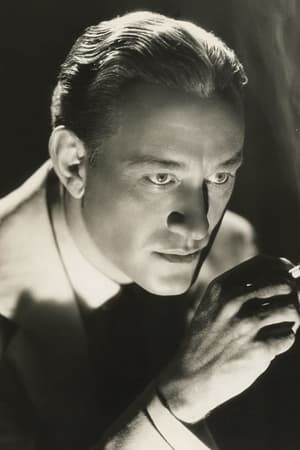
Max Wagner (November 28, 1901 – November 16, 1975) was a Mexican-born American film actor who specialized in playing small parts such as thugs, gangsters, sailors, henchmen, bodyguards, cab drivers and moving men, appearing more than 400 films in his career, most without receiving screen credit. Newspaper gossip columnists noted his rise from playing "Gangster #4", with no lines, and not carrying a gun, to "Gangster #2", with both lines and a gun.
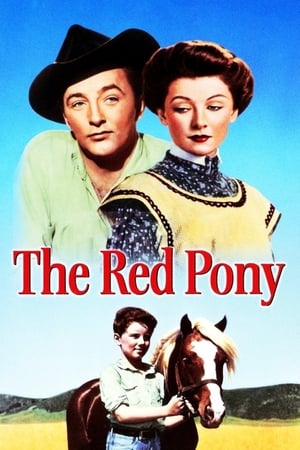
Wagner was one of five children, all boys, of William Wallace Wagner, a railroad conductor, and Edith Wagner, a writer who provided dispatches for the Christian Science Monitor during the Mexican Revolution. When he was 10 years old, his father was killed by rebels and the family moved to Salinas, California, where he met John Steinbeck, who became a lifelong friend. Steinback based the character of the boy in his novel The Red Pony on Wagner.
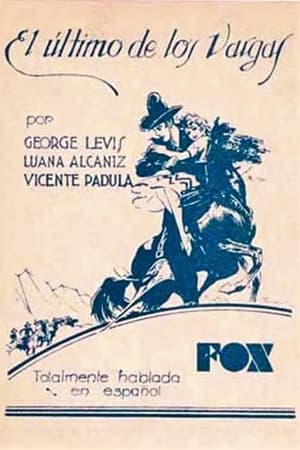
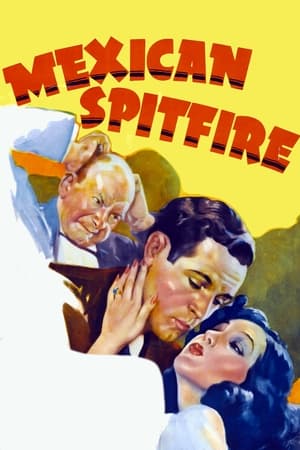
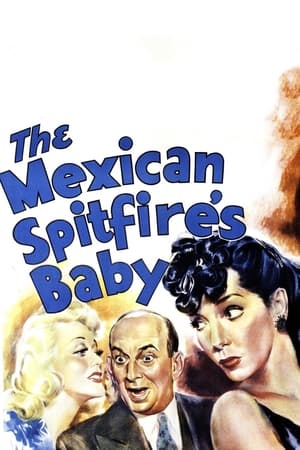
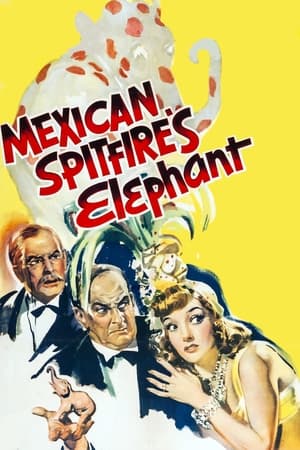
Under the name "Max Baron", Wagner acted in many Spanish-language versions of English-language films, which studios made as a matter of course in the early days of sound films, He also served as a Spanish language coach for other actors, and appeared in many of the "Mexican Spitfire" films starring Lupe Vélez, where he also served to monitor Velez's Spanish ad-libs for profanity.
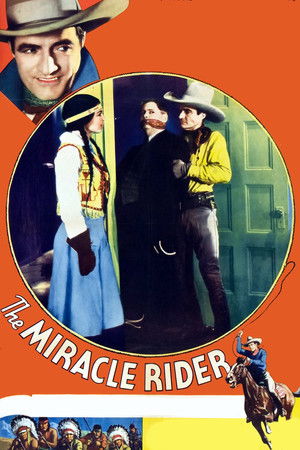
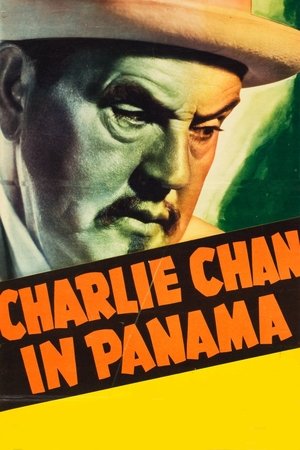
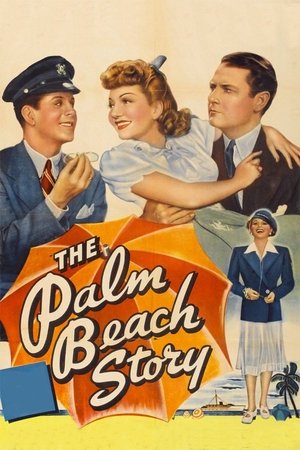
Other series that Wagner appeared in include the Charlie Chan films, and Tom Mix serials, as well as others made by Mascot Pictures Corporation. In the 1940s, Wagner was part of Preston Sturges' unofficial "stock company" of character actors, appearing in six films written and directed by Sturges, beginning with The Palm Beach Story
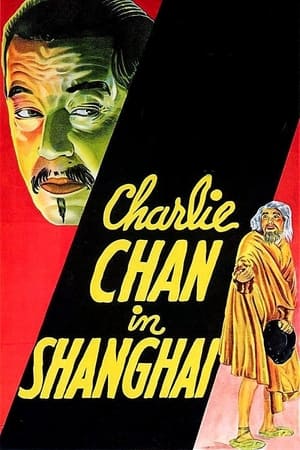
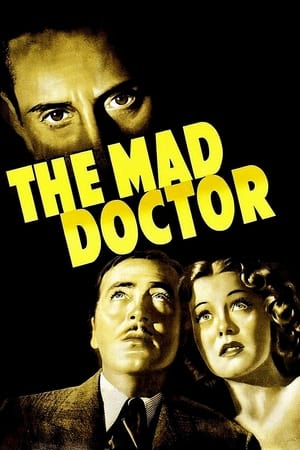
In 1940 during the filming of "The Mad Doctor", Wagner was credited for driving 50,000 miles as an on-screen taxi driver on the studio back lots of Hollywood. Since his appearance as a cab driver in Charlie Chan in Shanghai (1935), producers often cast him as a wise-cracking or henchman taxi driver. "I was cast as a taxi driver about five years ago", Wagner told a reporter. "And I was typed."
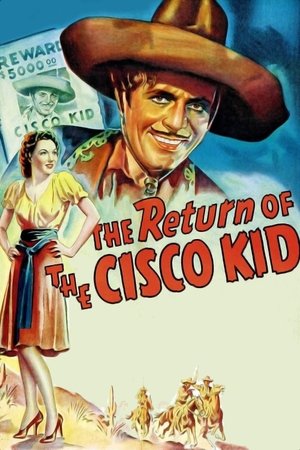
In 1952, Wagner began to appear on television, in episodes of such shows as The Cisco Kid, Zane Grey Theater and Perry Mason, playing much the same kind of parts he played in the movies.
He was a regular cast member on the western television series Gunsmoke, making nearly 80 appearances between 1959 and 1973. He also appeared in many episodes of The Rifleman, Bonanza, Cimarron Strip, The Wild Wild West and Maverick, including a guest-starring role in the 1959 Rifleman episode "Blood Brother." He also had roles in the original Star Trek and The Twilight Zone series. He appeared in more than 200 television episodes between 1952 and 1974.
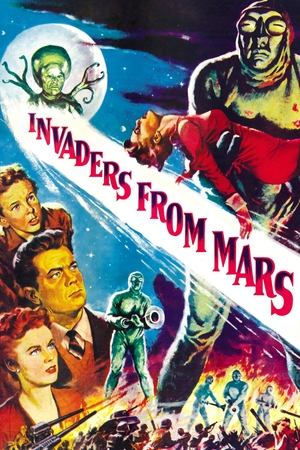
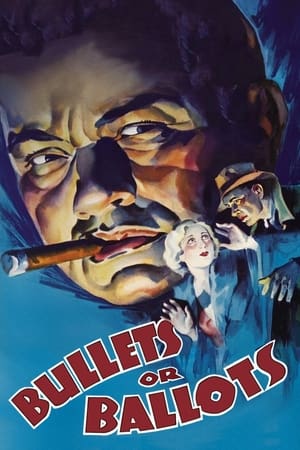
Notable film roles for Wagner include a supporting role in the cult science fiction classic Invaders from Mars (1953), an actor playing a gangster in the film-within-a-film segment of Bullets or Ballots (1936), and the bull farm attendant in the Laurel and Hardy comedy The Bullfighters (1945).
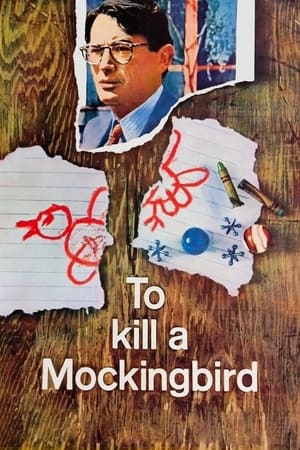
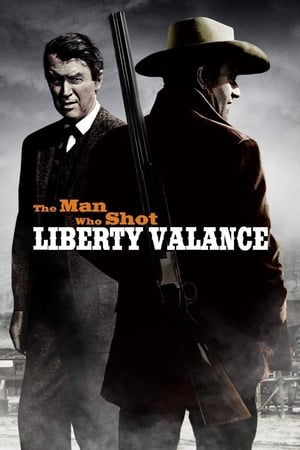
Late in his career, he appeared in To Kill a Mockingbird (1962) and The Man Who Shot Liberty Valance (1962). He also occasionally composed music, such as the Mexican folk ballad "Pedro, Rudarte y Simon" in the Western film The Last Trail (1933).
Wagner died of a heart attack in Hollywood in 1975.