In a remote village in Alentejo, the train is the only connection to the world and to the politics of the capital. The news of the establishment of the Republic is spread by telegraph, but in this Alentejo village, telegraph operator Miguel Zuzarte is a staunch monarchist who hides the message he has received from everyone. For days, the people wonder about the absence of the train, and the telegraph operator does everything he can to cover up the unreported news. The train will return to the village, and the impact of the end of the monarchy is not what one might imagine.
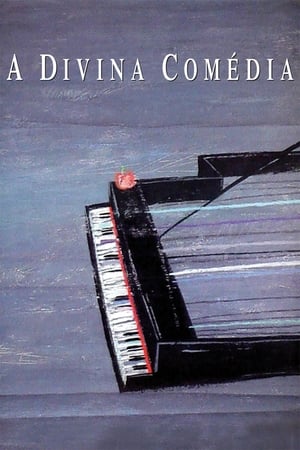
In a mental institution the patients see themselves as people like Jesus, Lazarus, Martha, Mary, Adam, Eve, Sonia, Raskolnikov, Aliosha e Ivan Karamasov, a Philosopher, a Profet, Santa Teresa d'Avila, reciting the Divine Comedy.
Maria de Noronha, at 13 years old, suffers from high fevers and violent hemoptysis caused by a ruthless tuberculosis. To alleviate the pain, she gathers poppies from her garden and, at night, places them on her bed pillows. But the poppies have a devastating effect. Her deep sleep is invaded by ghosts and hallucinations: the luxury and decadence of the Portuguese 16th century. A broken nation, occupied by strangers.
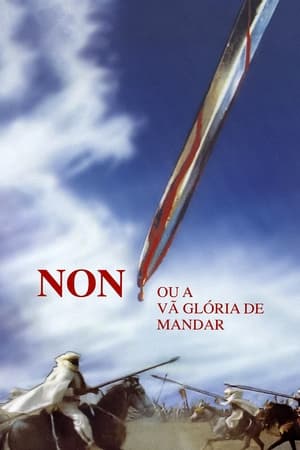
Episodes from throughout the entire military history of Portugal are told through flashbacks as a conscripted student of history recounts them to his fellow soldiers while they march through an African colony in revolt during 1973.
Maria Gouveia is a character with a secret past, which she intends to hide at all costs. In her eagerness to hide that past, she commits a homicide, witnessed by a man whose existence she is unaware of. That man is the lawyer Óscar Summavielle, who manages to become her defense lawyer and, constructing an alibi for her, proves in court that she is innocent, although he knows she is guilty. Marta and Óscar are led into a game of passion that will take them beyond all conventions...
A Outra
Crónica do Tempo
A Lenda da Garça
Sozinhos em Casa
Telhados de Vidro
O Rosto da Europa