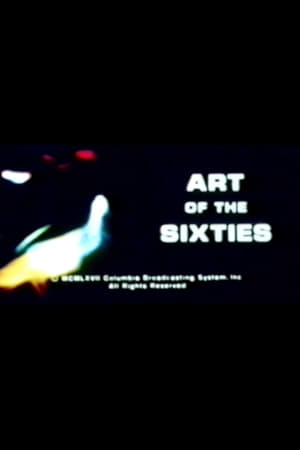
This film documents the major directions in modern American art during the first seven years of the 1960s. The keynote is that the artist has expanded his realm from the two-dimentional picture frame, climaxed by the artists of the 40s and early 50s, merged color with sculpture, and sought out modern media to express himself. This has produced the characteristic wide spectrum of interest, ideas, and products in contemporary art.
A portrait of the American artist Ray Johnson (1927-1995), based on a personal interpretation of Johnson’s avant-garde strategies, using the telephone and the internet as primary sources for sound and image.
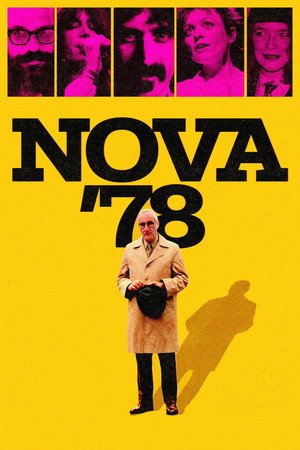
East Village, New York, 1978. William Burroughs, Patti Smith, Frank Zappa, Allen Ginsberg, and other brilliant minds come together in an explosion of ideas, art, and rebellion.
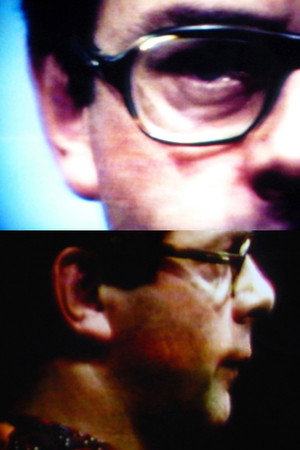
Four color studio cameras pointed at different angles on Levine's face switch back and forth in rapid succession, creating a kaleidoscopic effect on the screen while he directs the viewer to think about various activities.
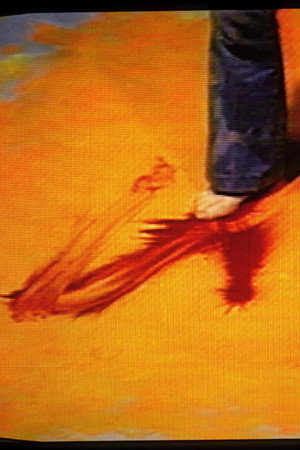
This video performance represents Les Levine singing and dancing to the popular tunes of his adolescence. At the start of each song, the artist places a certain quantity of colored pigments onto the surface of a sheet of paper that serves as a dance floor. The camera, focused on the movement of his feet, observes the modifications of the paint “as it happens”, coinciding these with each musical segment derived from his personal hit parade, in autobiographical fragments.