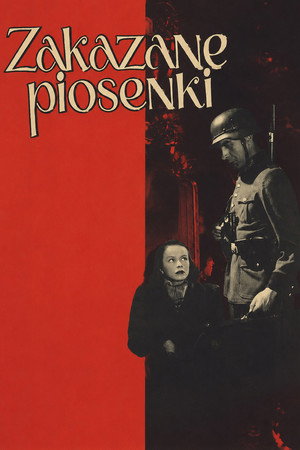
Set during the German occupation of Warsaw during WWII, this musical tells the story of several inhabitants of the same tenement house.
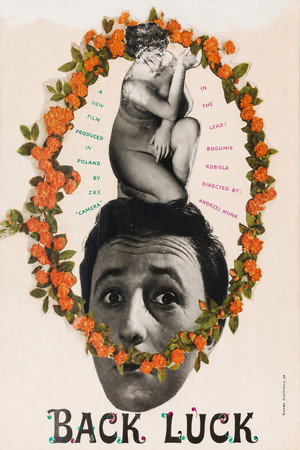
To convince the prison warden against releasing him, a middle-aged Polish man recounts his life, one he considers to have been characterized by exceptionally bad luck.
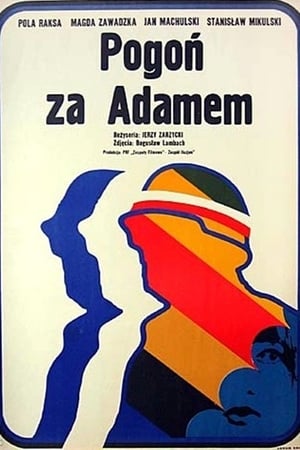
A film director uses a South American premiere of his latest picture to reconnect with his old friends from the Warsaw Uprising, the protagonists of his movie.
Fall 1925. Six hundred officers demonstrate in front of Józef Piłsudski’s country house in Sulejówek, demanding the Marshal’s return to active political life. May 1926—a government crisis; Wincenty Witos forms a new government. Piłsudski’s move sparks clashes between supporters and opponents of the ousted government. Piłsudski appoints Kazimierz Bartel as prime minister. The beginning of the “moral reform.” Ignacy Mościcki becomes president. Summer 1930. A joint platform of opponents to the Sanacja government is formed. “Centrolew” is established.
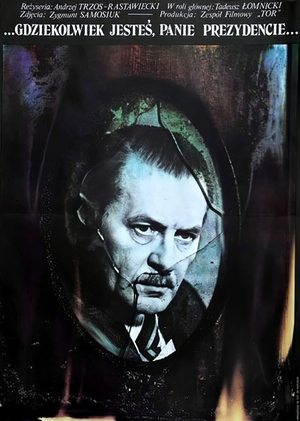
Stefan Starzyński, the mayor of Warsaw, organizes life in the capital in September 1939 and lift the inhabitants' spirits via radio announcements. After the surrender, he does not use his last chance to escape.