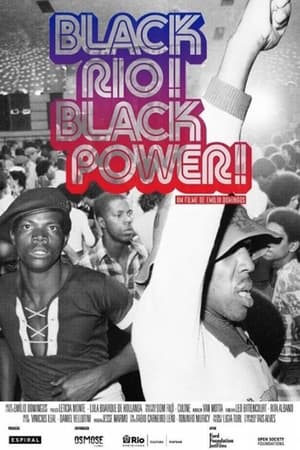
The documentary Black Rio! Black Power! looks at the influence of the Black Rio movement on culture, society and the struggle for racial justice in Rio de Janeiro and Brazil between the 1970s and 1980s. The film shows the movement's impact on music and on the direction of politics and the black movement during the period of re-democratization, influencing genres such as hip-hop and funk, and the affirmative stance of the younger generations, who perpetuate the black pride and aesthetic appreciation spread by Black Rio 50 years ago.
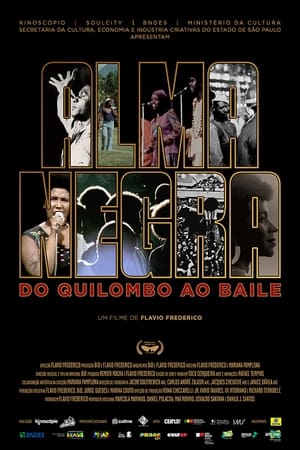
Alma Negra, do Quilombo ao Baile
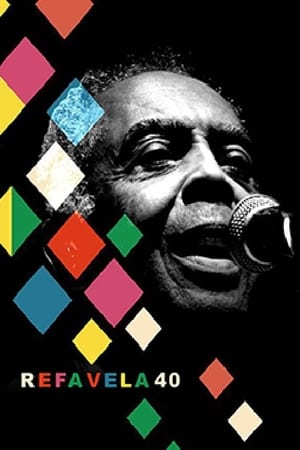
In 1976, Gilberto Gil traveled to Lagos (Nigeria) with the purpose of participating in the Second Festival of Black Art and Culture. The event had the participation of approximately fifty thousand Afro-descendant and Diaspora artists. After the trip, Gil released the album Refavela. The documentary celebrates the 40th anniversary of this album essential album for the Brazilian Popular Music.
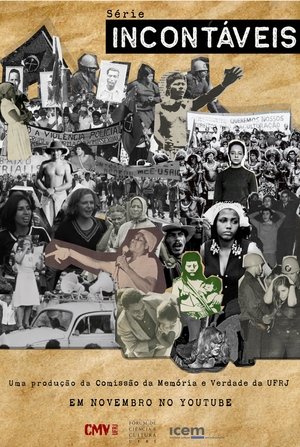
The series focuses on the violence of the Brazilian dictatorship against women, the LGBTQIA+ population, a black population living in favelas, indigenous peoples, students and educators, and rural and urban workers.