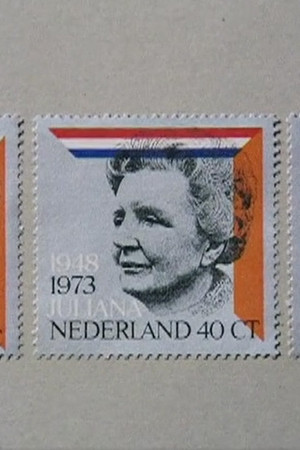
Festivities surrounding Queen Juliana's 25th anniversary of her reign.
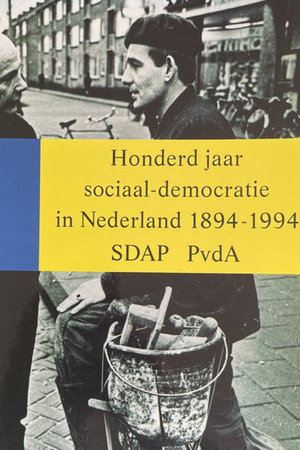
Documentary by Remy Vlek about one hundred years of social democracy in the Netherlands, which began with the founding of the SDAP on August 26, 1894, followed by a studio discussion moderated by Paul Witteman on the future of social democracy.
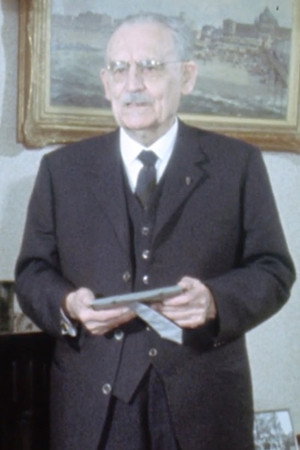
Portrait of Dr. W. Drees Sr.
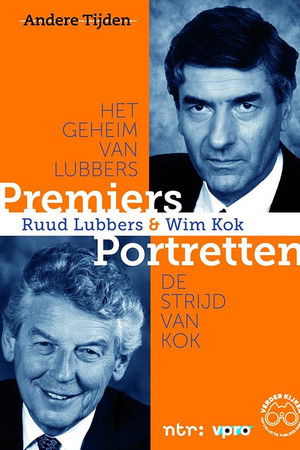
More than any other prime minister, Wim Kok has to deal with explosive dossiers. After the fall of Srebrenica during Kok I, thorny issues once again lie on his plate in the second term: the role of Jorge Zorreguieta and the assassination of Pim Fortuyn.
KRO documentary about VVD parliamentary group leader Frits Bolkestein and his life and work.
"It was a kind of flywheel that you set in motion; I couldn't turn back at all," says Hans van Mierlo in the film about his political career. That career began in 1966 when he founded the political party D66 with a number of like-minded individuals. Clearly visible from the editorial office of the Algemeen Handelsblad on the Nieuwezijds Voorburgwal in Amsterdam, the unrest was crowing, fueled by Provo. The pillar society, which had kept the Netherlands afloat for so long, was no longer adequate. That was his analysis, and a much more direct democracy would have to take its place.
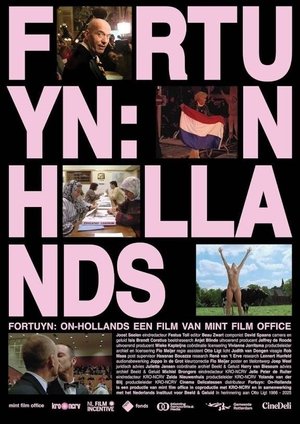
What does Pim Fortuyn's legacy mean for the Netherlands today? How have his rise and his assassination changed the political and societal debate on migration? And what does that say about Dutch views on tolerance and diversity? In the eight-part KRO-NCRV documentary series Fortuyn: Un-Hollands, producer mint film office gives a voice to people who were barely heard at the time, but who were right at the center of the Fortuyn debate. Critics, political allies and opponents, men and women, with a bicultural background and white, tell how they experienced the Fortuyn revolt and what influence Pim Fortuyn had – and still has – on their lives and positions in the Netherlands.
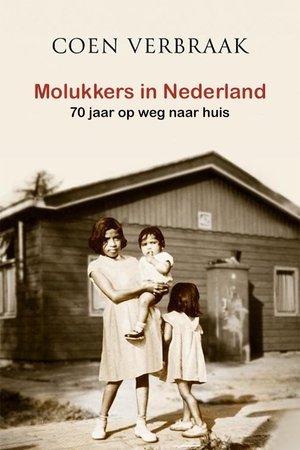
Moluccans in the Netherlands: 70 Years on the Way Home. In 1951, the first Moluccans came to the Netherlands. Through interviews, Coen Verbraak tells the stories of different generations of Moluccans about their involuntary exile.
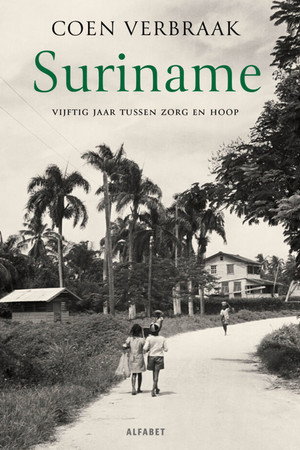
Fifty years after independence, Coen Verbraak examines the current state of Suriname and its future. With voices from Suriname and the Netherlands on brain drain, identity, fragile democracy, and the lasting impact of slavery. The role of the Netherlands, departure and return, care, and hope are also addressed.
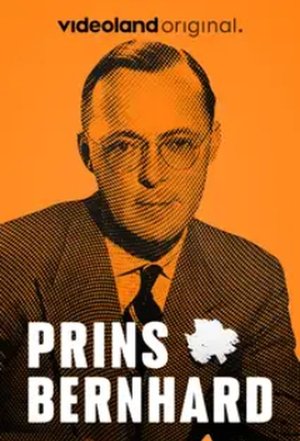
Experts and people who knew him attempt to get to the heart of his character. Their stories are visually supported by unique and never-before-seen footage from Bernhard's private collection.
Insiders, close friends, and experts talk about the impressive life of Princess Beatrix: the powerful woman, friend, and mother behind the office.