Set to a classic Duke Ellington recording "Daybreak Express", this is a five-minute short of the soon-to-be-demolished Third Avenue elevated subway station in New York City.
Growing up in Masbate Province in the Philippines, Jary is neglected and shunned since the moment of his birth for one reason-- his appearance. His older sister, Jessa protects Jary through his early years, then takes him in as a young teen, to raise him alongside her own two children in a fragile house on a hill. Jessa seeks out the medical care Jary has been denied since birth. And more, the support to begin his physical and emotional recovery. Every Day After is a 35-minute documentary film that provides a more nuanced look at the complexities of the healing process we don’t often see. And honors the invisible labor of a sister whose love and action make it possible for Jary to experience the everyday joys and struggles of growing up.
Elem Klimov's tribute to his late wife, director Larisa Shepitko, killed in a car accident a year earlier. Features excerpts from all of her films, and archival audio of her discussing life and art.
Nantali Indongo, the rapper of the group Nomadic Massive, has long refrained from using the word Bitch in the lyrics of the songs she sings. As an Afro-descendant and mother, she considers that this word’s purpose has always been to dehumanize the Black woman. However, at the junction of the Black Lives Matter and #MeToo movements, she decided for the f irst time to use the b-word as a cry from the heart in her song Time . Aware of the complexity posed by the trivialization of this word, she embarked on a “word movie” across the Americas to understand the origins of the word and its many connotations over time. Her journey allowed her to give a voice larger- than-life to Black women, so that they could themselves express their opinions on the word bitch.
An account of the journey that King Alfonso XIII of Spain made to the impoverished shire of Las Hurdes, in the province of Cáceres, in the region of Extremadura, in 1922.
It's a misjudgment in a millisecond. The consequence is a free kick and Germany wins the World Cup match over Sweden 2018. A violent wave of hatred hits Jimmy Durmaz in social media. A year later, he lets us into his life and talks about his struggle to be Swedish and reach the top as a football professional.
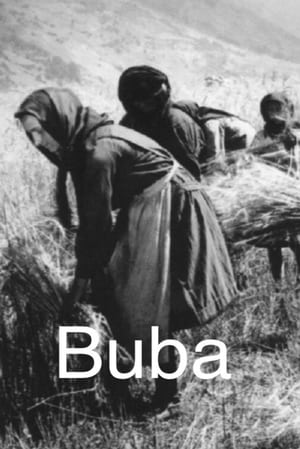
Greek Sarakatsani community members, a former group of nomadic animal breeders, share personal experiences and discuss the concept of identity in today's world. A tribute to collective memory through an experiential journey that sets out from the past, progresses into the present, and contemplates the future.
Tom Volf invites you to delve into the fascinating world of Véronique Sanson, a living legend of French chanson. After several years of research and immersion, he is unveiling an intimate and sincere portrait of the artist in a film event. The fruit of his encounter with the singer, this project highlights the raw emotion and beauty of her career.
When asked a question on politics, late Palestinian poet Mahmoud Darwish once answered: “I write about love to expose the conditions that don’t allow me to write about love.” In TWO TRAVELERS TO A RIVER Palestinian actress Manal Khader recites such a poem by Mahmoud Darwish: a concise reflection on how things could have been.
An isolated village in the Lithuanian countryside. Seated in her house, an elderly woman recites an old folk story. Then she climbs up the tall ladder that takes her to the rooftop of the church.
Delphine Seyrig reads passages from a Valerie Solanas’s SCUM manifesto.
301
Exploring the art of Armenian portraitist Hakob Hovnatanyan, Parajanov revives the culture of Tbilisi of the 19th century.
Light Upon Light: A Documentary on Hijab is an intimate and deeply personal exploration of the diverse, raw, and untold stories of hijabi women. Through open and vulnerable conversations with 7 women, the film dismantles stereotypes, highlights the challenges imposed by society, and celebrates the profound beauty of the hijab beyond a mere clothing choice. It captures the individuality of each woman’s story—how they came to wear the hijab, the struggles they’ve faced, and the strength they’ve found in it. More than just fabric, the hijab is a journey, often misunderstood, and influenced by the way the world perceives it. By amplifying voices that are often unheard, the documentary creates a space for empathy, challenges misconceptions, and invites a deeper understanding of what it truly means to wear the hijab; inspiring everyone to see hijab in a new light.
Actor/cult icon Bruce Campbell examines the world of fan conventions and what makes a fan into a fanatic.
Grindcore Vacation melds the expository documentary, diary film, and live performance footage to produce a portrait of the musicians who play grindcore, an extreme sub-genre of punk/metal characterized by high speed and full volume. Shot during a weekend trip from Victoria BC to Dallas TX for a single DIY concert, it interviews members of Deterioration, Cognizant, and Imperial Slaughter. Live concert footage combines with interviews and Super 8mm film to create an impression of the people who play grindcore, why they love the genre, and their experiences as practitioners of the niche style.
Corral is a 1954 National Film Board of Canada documentary by Colin Low, partly shot in the Cochrane Ranch in what is now Cochrane, Alberta. In the film, a cowboy rounds up wild horses, lassoing one of the high-spirited animals in the corral, then going on a ride across the Rocky Mountain Foothills of Alberta.
Puente de la Costa Sur, winner of the San Francisco Foundation 2004 Community Leadership Awards (John R. May Award) - for its creative, grassroots efforts to provide education, social justice advocacy, direct services, and community connections enabling immigrant men in rural San Mateo County to improve their living and working conditions
Michael Morgan, winner of the San Francisco Foundation 2006 Community Leadership Awards for making symphonic music essential to the culture of the East Bay community. He is dedicated to minority access to the arts and arts education, visiting 100 schools every year. More than 20,000 public school students received hands-on music education because of Michael's leadership.
Dr. Joseph Marshall, Jr., winner of the San Francisco Foundation 2006 Community Leadership Awards (The Robert Kirkwood Award) - for redefining youth violence as a public health issue. By developing violence prevention methodologies and promoting these models nationwide, he influenced the lives of hundreds of young men and women whose mindsets were changed, and futures improved, through their involvement with Omega Boys Club/Street Soldiers.