Because of the internet's accessibility, anonymity, and affordability, pornography addictions have risen to epidemic levels, destroying intimacy, marriages and families, while distorting our definition of sex and sexuality.
After claiming he served 20 years in a secret space program, Corey Goode became a UFO icon - then a lightning rod. This documentary follows his rise and the strange intersection of memory, myth, and media in the age of disclosure.
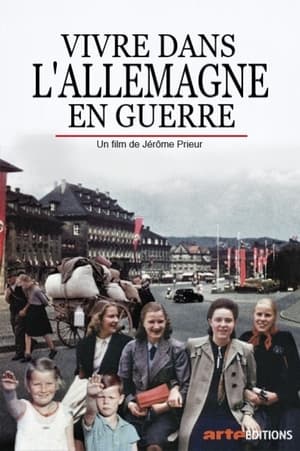
Vivre dans l'Allemagne en guerre
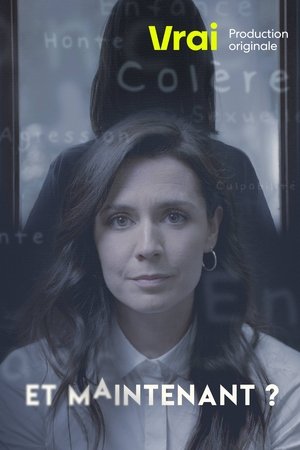
Inceste, le dire et l'entendre
A poetic exploration of the multi-generational affects of Canada's Indian Residential School system, based on the personal trials of Aboriginal playwright Yvette Nolan.
At Milan’s Niguarda public hospital, the unconventional Dr. Bini leads a bold mission overseeing aspiring parents undergoing in vitro fertilization and the journeys of individuals reconciling their bodies with their gender identities. He navigates the constraints set by a conservative government and an aggressive market eager to commodify bodies.
Two legends contested their identities as women in the court of public opinion: April Ashley, who was immortalized as a trailblazer by embracing her transgender history; and Amanda Lear, who has consciously denied and obfuscated her history for decades. Their divergent paths reveal disparate but intertwined legacies.
Red Flags – c’est pas ça l’amour
Beside Bowie: The Mick Ronson Story is a documentary about the life and work of Michael "Mick" Ronson, the guitarist, songwriter, producer and arranger who, in the early part of his career, performed with David Bowie as one of the 'Spiders from Mars'.
From his childhood in a modest family in the Pyrénées to his unexpected career as a porn actor in the 1970s, the film traces the life of Claude Loir, who set out to fully embrace life. His homosexuality and curiosity guide him through encounters that lead into the shadowy, liberated circles of a pre-AIDS era, caught between conservatism and sexual freedom. Loves and lovers, flamboyance and fragility… the film offers a striking portrait of a fearless, hedonistic man navigating desire, identity, and society’s constraints.
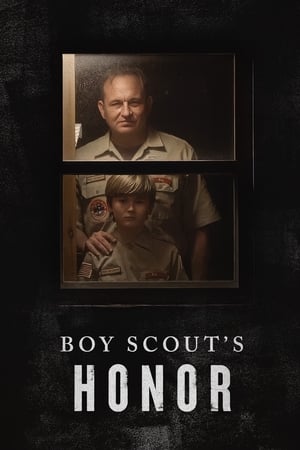
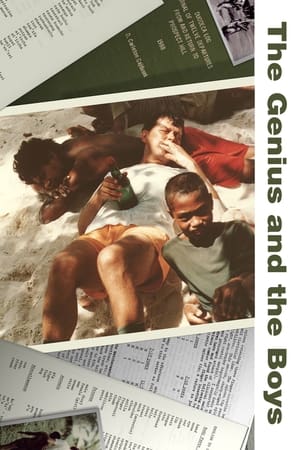
8-year-old Aaron Averhart was just a year shy of being able to move up from Cub Scout to Boy Scout when he received a special request from an admired Boy Scout leader, William (Bill) Sheehan. As Aaron rose up the Boy Scout ranks, he slowly became aware of Sheehan’s grooming techniques and began to realize he had much more sinister intentions in store for him. If Aaron’s parents had known that since the 1920s the Boy Scouts of America had been keeping hidden files on dangerous pedophiles in their ranks while failing to warn the public, the police, the scouts, their parents, or even fully removing them from the Boy Scouts program, they would have never allowed young Aaron to be part of such a complicit and corrupt organization.
A walk through the incredible personal and artistic history of legendary actor, race car driver and cultural icon Steve McQueen (1930-80).
Five women – Palestinian, American, Muslim, Christian, and Jewish – tell stories of humiliation and harassment by Israeli border guards and airport security officials.
"Cut" is a documentary film by Eliyahu Ungar-Sargon which examines the subject of male circumcision from a religious, scientific and ethical perspective. Using cutting-edge research, in addition to interview footage of rabbis, philosophers, and scientists, Cut challenges the viewer to confront their biases by asking difficult questions about this long-standing practice.
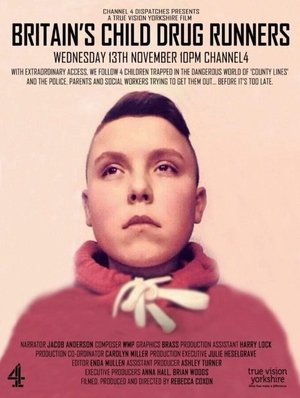
Children as young as seven are being groomed to sell drugs for 'county lines' drugs gangs in towns and villages all over the UK. This film follows four young people trapped in this world.
9/11 was perhaps the defining historical event of the postwar era. Broadcast live around the world like horrifying theatre, it was a moment in history imprinted onto people's memories. But what was it like to actually live through, and how easy is it to move on from a day that society wants to go on remembering? Twenty years on, this film brings together 13 ordinary people who were caught in an event they weren't able to fully comprehend at the time and which they are still working through.
Caroline Darian, Gisèle Pelicot's daughter, looks back on the tragedy that shook her family: for ten years, her father drugged her mother to subject her to rapes committed by strangers recruited on the Internet. This case exposes the scandal of chemical submission, a practice where attackers, generally close to the victims, use prescription or over-the-counter medications to commit their crimes. This phenomenon, far from being marginal, affects victims with varied profiles...
The four adult heroes and heroines of the film, who were selected in a casting call posted on TV, speak candidly on camera from the very beginning of their memories. Through individual stories, they describe their childhoods, family backgrounds, life at school, and how they spent their free time. The stories complement each other and are intertwined; we see emotions and hear things that reveal the horrific DNA of domestic violence. The documentary addresses the issue of abuse with an emphasis on the entire social environment of the victims and the societal underpinnings. Typical of domestic violence is that victims often hide it within themselves; they do not talk about it, and sometimes they do not even admit it. But in the documentary, they were determined to speak out.
It was one of the great crimes of the Second World War: from 1941 to 1944, a total of 872 days, the siege and starvation of Leningrad by the German Wehrmacht on Hitler's orders lasted. Over a million people fell victim to the blockade, most of them dying of hunger. Countless of these starving people wrote diaries with the last of their strength, and cameramen filmed in the paralyzed city. Evidence from the hell of the siege, many of the film recordings, but above all the written memories on which this documentary on the occasion of the 80th anniversary of the liberation is based, remained under lock and key after the war. The voices of those who had suffered through this terrible time should not be heard by anyone, because they did not fit the pathos of the Leningrad heroic song that was officially sung. Most of the recordings come from women. The writers feared neither the enemy nor the Communist Party or Stalin, who often proved incompetent in providing for the population.
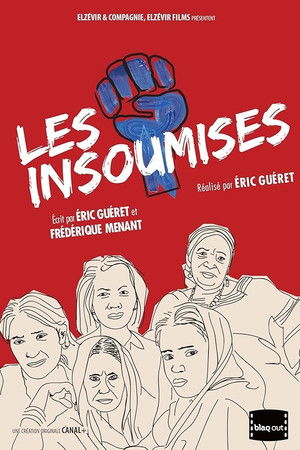
Les Insoumises