Una Vida es el Tango
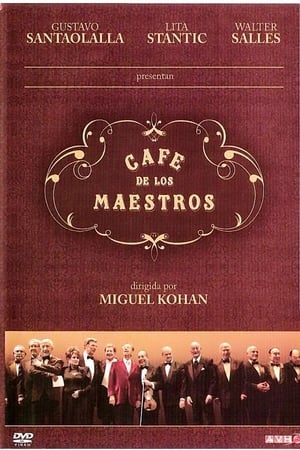
Coffee Masters is a documentary by Miguel Kohan, produced by Lita Stantic, Gustavo Santaolalla and Walter Salles. It tells the story of great tango of the old guard who, summoned by a rock musician, proposing a record to demonstrate its validity. This adventure, full of memories, humor and poignant moments, culminating with a presentation of the Masters at the Teatro Colon.
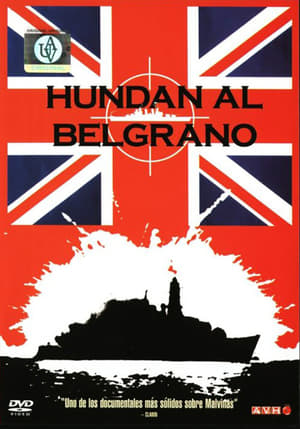
Documentary film about the then longest range bombing mission in history, which changed the outcome of the Falklands War.
In this documentary film a team of researchers examine the social contexts that influenced the emergence and permanence of heavy metal music in Chile, Argentina, Mexico and Peru. Colonialism, dictatorships, terrorism and neoliberal exploitation serve as points of reference for how heavy metal in the region has been directly linked to each country's social and political context.
A musical tour through the work of Aníbal "Pichuco" Troilo, one of the defining figures of tango and Argentinian music.
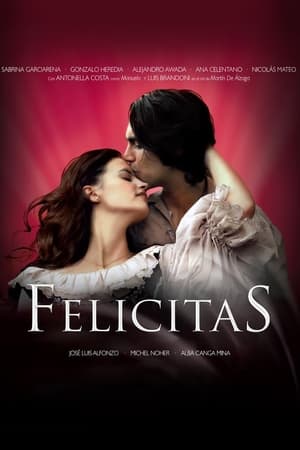
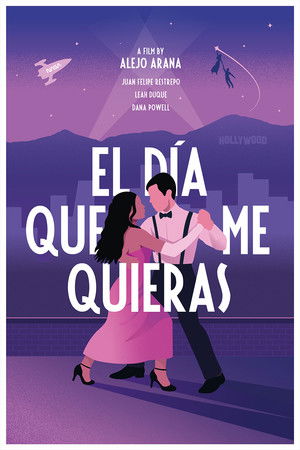
Buenos Aires at the outskirts of XIX century. A society rigid in patriarchal rules. A war between brothers of Argentina, Brazil, Uruguay and Paraguay. Two young and very much in love youngsters, fight for their right to be together. Obeyance and fear sets them apart along more than ten years. When they are finally reunited, will they be able to overcome the pain and tragedy that haunts them?
On a trip to Paris Sally meets Pablo, a tango dancer. He starts teaching her to dance then she returns to London to work on some "projects". She visits Buenos Aires and learns more from Pablo's friends. Sally and Pablo meet again but this time their relationship changes, she realises they want different things from each other. On a trip to Buenos Aires they cement their friendship.
While studying at a Catholic boarding school, the young Luisa meets a boy, Julio, who talks to her from the street and through the gate. However, the girl's arrogant older brother removes her from the establishment and takes her to live in her family house. The beginning of love between Luisa and Julio is made even more difficult by what seems to be the beginning of a disease in her.
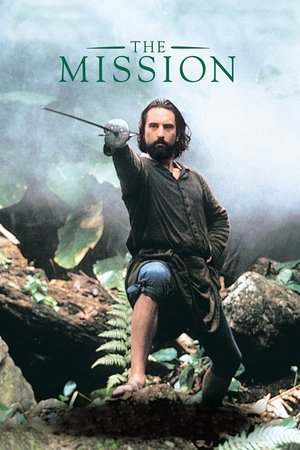
When a Spanish Jesuit goes into the South American wilderness to build a mission in the hope of converting the Indians of the region, a slave hunter is converted and joins his mission. When Spain sells the colony to Portugal, they are forced to defend all they have built against the Portuguese aggressors.
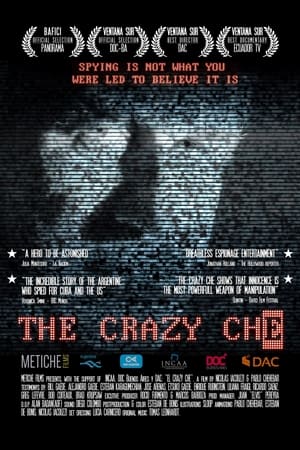
A portrait of Argentine libertarian politician Javier Milei.
Spanish conquerors from the XVI century arrive in America to establish a population.
Indisciplinado. Historia de un proyecto político
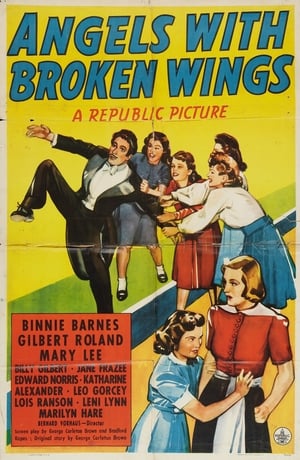
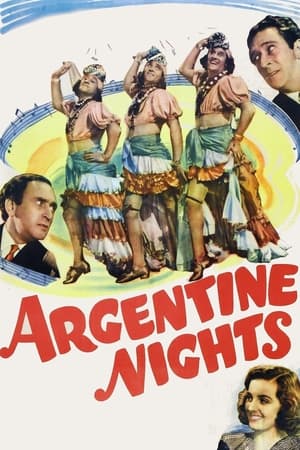
Charlotte Lord, a widow in her early forties and owner of Manhattan's smartest modiste shop, is about to marry Guy Barton, a wealthy businessman. But Mexican divorces have been declared illegal, so Guy is still married to Sybil Barton, an unscrupulous gold-digger who left him twelve years earlier. She demands that Guy give her $250,000 for his freedom.- Written by Les Adams
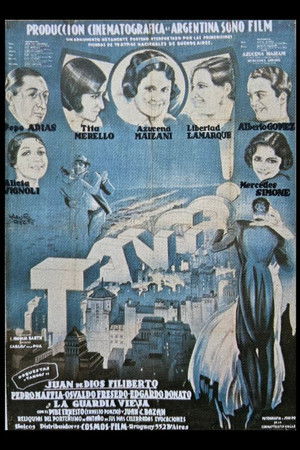
¡Tango! follows a formula established by Carlos Gardel with films such as Luces de Buenos Aires (The Lights of Buenos Aires, 1931) in which a melodramatic story is interspersed with tango songs. However, the film had less dialog and more music, making it more like a musical revue. This format would be copied by many subsequent films. The plot is derived from tango songs. Many of these songs tell of the seduction of an innocent slum girl by a rich man who promises her a glamorous life, but who abandons her when her looks fade. The stylized and sentimental plot of ¡Tango! revolves around a young man who is abandoned by his girlfriend for an older rich man and is heartbroken. The film follows his misfortunes.
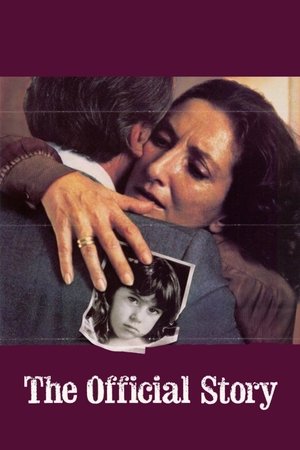
Buenos Aires, Argentina, 1983. In the last and turbulent days of the military dictatorship, Alicia, a high school history teacher, begins to ask uncomfortable questions about the dark origins of Gaby, her adopted daughter.
A film that brings together ten of the fifteen shorts that Carlos Gardel filmed in 1930 under the direction of Eduardo Morera, in the film studios of the pioneer Federico Valle.
The hit musical based on the life of Evita Duarte, an Argentinian actress who eventually became the wife of Argentinian president Juan Perón, and the most beloved and hated woman in Argentina.
The life, hardships, love affairs, triumphs and failures of the world-renowned tango singer Carlos Gardel.
A woman's voice says she was wife to Renzo Franchi and Carlos Gardel (1890-1935), Argentina's great tango singer. People say she's crazy. Her story unfolds. Buenos Aires, 1933: Juana Romero, a seamstress who lives for the music of Gardel, dumps her boyfriend Gustavo for Renzo, a singer who looks like Gardel. She insists that his trio performs Gardel's tangos, which leads to Renzo recording a Ford commercial when Gardel himself is overbooked. The trio, with Joanna in tow, goes on an ill-fated tour of points north. The couple breaks up: she goes home and he tries to get to New York. Fate steps in, and once again he's called upon to pose as Gardel. Then, legend and a bracelet take over. Written by
After the end of the military dictatorship in Argentina in 1983, Floreal is released from prison. Instead of returning to his wife, he wanders through the night of Buenos Aires. He meets some people from his past–most of which are only imaginary–and remembers the events of his imprisonment.