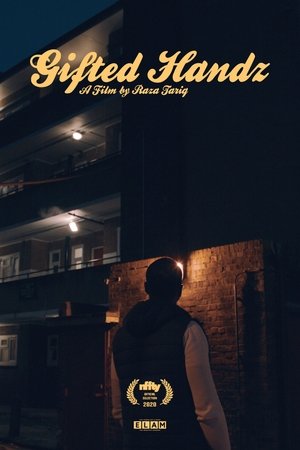
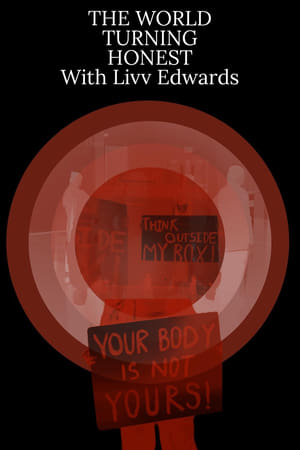
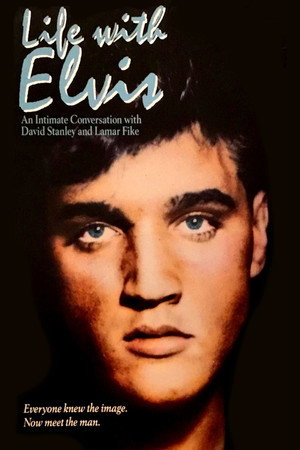
Leaving her girlfriend Kat in the car Rajinder enters her house to announce to her parent's she is gay. But before she can tell them her parents make an announcement of their own.Should she do as her parents wish or disobey them and dishonour the family?
Soon enough humankind will ascend to space. Who can join that mission? Who has to stay behind? In some places it has already started. Men and machine taking flight, leaving for the unknown future. For the endless void. That’s where they meet. The People using machines to clean machines and the people sheltered inside those machines. Destined to collide, never to engage. Welcome to Europes biggest car wash.
Takes place in the Saharawi refugee camps in Algeria against the historical backdrop of Spanish colonialism and the Moroccan invasion of the Western Sahara. The Saharawi women, who make up 80% of the adult refugee population, provide a powerful voice as they reveal how they came to assume primary responsibility for the survival of the remains of their families and in turn the entire refugee population.
A student, initially serving as a director, filmed his LGBTQ+ teacher but eventually became personally involved in drag. What began as an observer's stance transformed into active participation in drag. Through self-engagement in drag, the director assumed the identity of Rachel and seized an opportunity for a dialogue with self-identity. This experience led to an awareness of the conflicting dialectics between societal frameworks and personal identity. The director embarked on multiple attempts to coexist with and showcase the multifaceted aspects of the transformed, drag persona.
Once Upon A Time
British cult classic The Prisoner has been hailed as the most bizarre, mind-boggling television series of all time. Even though the series was produced more than twenty years ago, it is more popular today than when it originally aired. If you've never seen an episode, take this home and you will surely be hooked. Be seeing you.
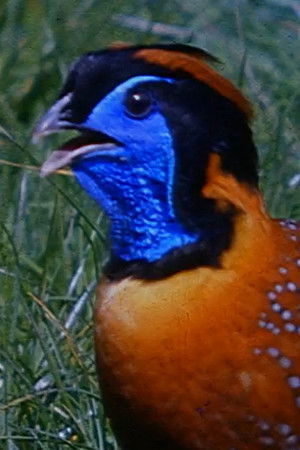
A record from the 1948 Arnhem Land Expedition lead by anthropologist Charles P Mountford that explores the abundant birdlife and waterways of Arnhem Land in the Northern Territory of Australia. Thousands of birds, both native to Australia and from around the world, find sanctuary in the billabongs of Arnhem Land, feeding on the fish, insects and flowers that flourish there. Apart from their beauty, the birds serve the useful purpose of helping to keep the balance of nature in the wilderness areas of Australia’s far north. Close photography makes it possible for some of the more interesting birds to be carefully studied. The film’s soundtrack is perhaps the most unique ever recorded, bringing us the thrilling sound of the voices of thousands of birds breaking the quiet of the virgin bush.
Amidst a devastating opioid epidemic, a needle exchange and free clinic operates in the shadows of Fresno, California.
Cristiane Jordan, or Cris Negão, as she was called, was a transvestite who worked as a bawd in downtown of São Paulo known by her violent methods to control the other transvestites. Hated and feared by a legion, she also had her fans until she was tragically murdered with two shots in the head. The documentary is a dive into the transvestite universe through the stories of this legendary character of São Paulo's underworld.
The film takes us to the North of England to follow the migration of the black-headed gull down to London. There, the narrator asks viewers to "listen to their gossip", before demonstrating the bird’s flight in slow motion. We see a polecat feasting on gull eggs, and then a man collecting the eggs for human consumption, with the film telling us that they are considered a “delicacy” in London. Indeed, according to the British Trust for Ornithology, around 300,000 gull’s eggs were sold every year in Leadenhall Market in London during the 1930s, when London Visitors was made.
Iin Marlina
In this personal documentary, Indigenous comedian Chad Charlie goes to participate in the Standing Rock occupation and has a transformative experience. The film takes us on Charlie’s powerful passage of self-discovery, from the irreverent jokester to the culturally aware poet whose powerful spoken word piece encapsulates his realizations at the close of the film. In this blend of cinema, vlog, and social media with tons of humour, Charlie uses a real mix of formats (phone streaming, news footage, fly-on-the-wall documentary style) very effectively, and doesn’t try to work in a huge narrative or have a tidy conclusion. Like many who were there and endured violence by police against their peaceful marches, Charlie is still working through trauma and mental health issues he experienced from it. In his case, this journey has left him with a greater awareness of the ongoing injustices that Indigenous people must still contend with.
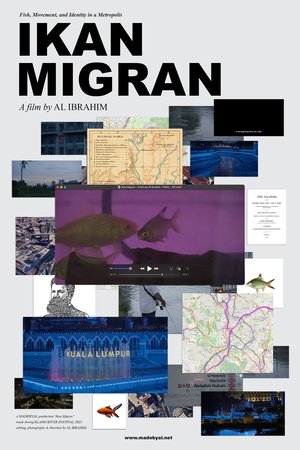
A Hong Kong Newt once resided in a narrow irrigation channel, believing it would be confined there forever. However, an unexpected flood swept it away, carrying it through a dark passage until it arrived in a serene, azure pond. The newt found companionship among its kind and thrived in the aquatic haven. But as it ventured back onto land after the breeding season, it encountered unforeseen threats.
Captured during the early days of production, this unreleased film offers a glimpse into its rehearsal sessions — an intimate icebreaking moment where the cast come together through song and rhythmic clapping.
Compilation of newsreel items: Launch of SS 'Prins der Nederlanden'; Competition of lorries; Queen Wilhelmina and prince Hendrik visit an exhibition of church art; A carriage accident on the Amsterdam Singel (8 februari 1913); Suffragettes' march in Amsterdam; Queen Wilhelmina and princess Juliana go ice skating; Arrival of health officer dr. L. van de Steen van Ommeren who has been working for the Red Cross in Constantinopel; Fire in the Spalteholz en Ameschot factory, Achterweg 2; Prins Hendrik visits the exhibition in Ghent.
Narrated by Bill Slater, this short black & white educational film is about sporting and outdoor activities on the majestic Hudson River in New York State.
Georg is an Austrian retiree whose mother witnessed the crash of an Allied B-17 near their home during World War II. When he takes up metal detecting to find the wreckage, a growing fascination leads him to embark on a heartfelt mission, not only to research the backgrounds of the American crewmembers who parachuted off the plane into enemy territory, but to locate their descendants, to bring them to his Austrian town on the 75th anniversary of the crash, to introduce them to the townspeople who helped their fathers, and to unite his town in remembrance. It’s a story of empathy, resilience, and the enduring power of human connection.
As one of his generation's quintessential Mad Men, television commercial director Joe Sedelmaier's work was iconic, dynamic, and instantly recognizable--some twenty to thirty years later, people are still wondering 'Where's the beef?” He turned the advertising world on its brain-damaged head by casting offbeat non-actors in still-unforgettable spots. His brilliant, frequently hysterical commercials for Wendy's, Alaska Airlines, Federal Express and others were snappy slices of cultural quirk that tapped into the Cold War-fearing, corporate workaholic zeitgeist of the '70s and '80s with a sense of humor that cracked billions of smiles, sold billions of burgers, and sped up the default rhythm of time-based media.
Documentary depicting the funeral of Argentinian First Lady Eva Perón in 1952.
The Shampoo Summit