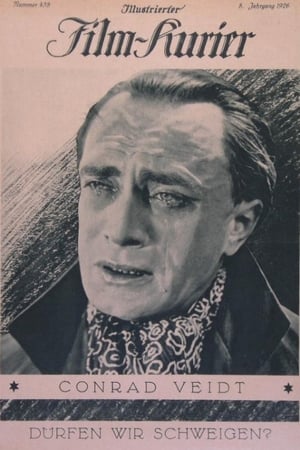
Lorenz Ferleitner has worked his way up from a poor but gifted farm boy to a recognized master builder. When a new cathedral is to be built, he is given the honor of carrying out the task. He would like to commission the unknown young painter Fritz Rasmussen to decorate the dome. The director of the art academy, Professor Marquardt, however, wants to employ his untalented nephew for the painting work. A bitter conflict unfolds.
A piece of lumber projecting from the side of a freight car picks up the mail sack hanging from the crane at Bell Station. Two hobos find the sack and rifle the contents. Morrison, postmaster at Bell, has been systematically robbing the mails and benefits by the mail sack's disappearance. Mary Gates, daughter of an engineer, supplies the Post Office inspectors with the first clue. The detectives blunder, however, and arrest Billy, Mary's sweetheart. Chance leads them on the trail of the tramps. The hobos are arrested after a desperate battle. Later, as the result of Mary's clever work, Morrison is brought to bay, while Billy wins his freedom.
In a futuristic city sharply divided between the rich and the poor, the son of the city's mastermind meets a prophet who predicts the coming of a savior to mediate their differences.
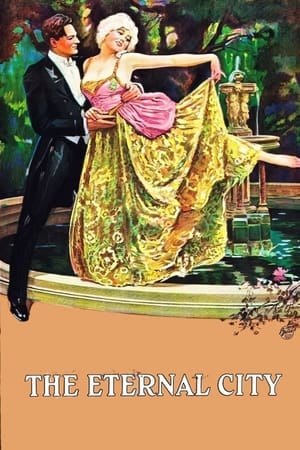
Ilda Barosky, a Jewess whose father was killed by Russian soldiers, is a violin student in love with Alexis Nazimoff, son of the Russian aristocracy. Alexis' father arranges a marriage of convenience between Alexis and Olga Karischeff, the daughter of the ambitious minister of police and attempts to shame Ilda at the betrothal celebration. Defiant, Ilda is whipped before the entire assembly. Alexis rushes in to rescue her and terminates his engagement to Olga. In retaliation, Karischeff sentences both Ilda and Alexis to ten years in Siberia as his last official act. The couple attempt to escape their Siberian captivity, are caught and face a firing squad until Count Nazimoff, who has assumed Karischeff's position as minister of police, arrives with a pardon. The couple return home, and the penitent count finally grants them his blessings.
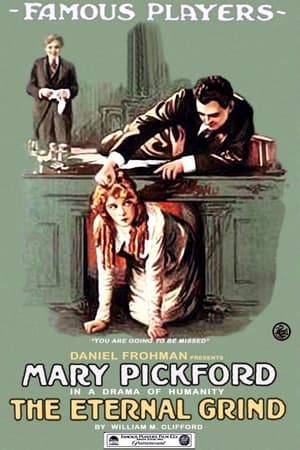
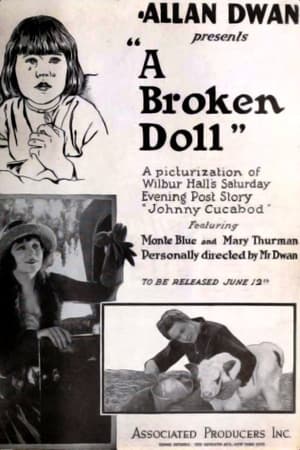
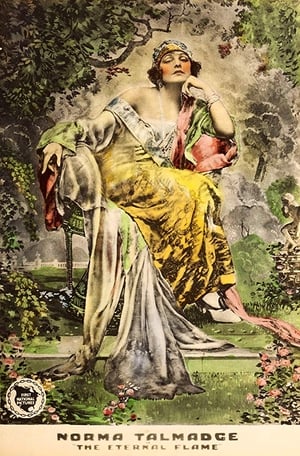
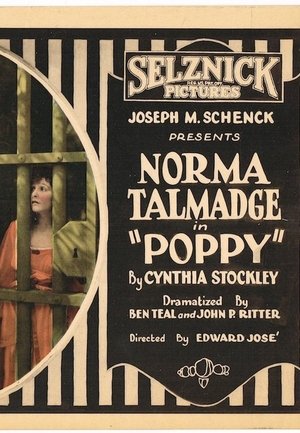
A young girl, Rose Eastmen lives with her lazy Uncle, who works as a janitor in a publishing house. Lacking education, both Rose and her Uncle are susceptible to the socialist ideas of writer Rudolph Creig. One day Rose encounters Jack Steven's the wealthy son of the publishing house, working on his car. She believes he is a common laborer, and begins seeing him. Through her exposure to Jack, Rose begins to realize the rich are not such an abominable people. Rudolph has also reached this conclusion after learning Steven's has published his book. Now with a hefty royalty check and success, Rudolph is able to marry Rose.
A 1922 film directed by Frank Lloyd.
A 1917 film directed by Edward José
After his wife/model has died of starvation with her portrait unfinished, an impoverished artist meets another woman with a striking resemblance to her.
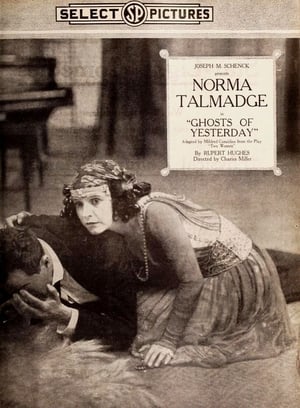
A 1918 film directed by Charles Miller.
Partially lost.
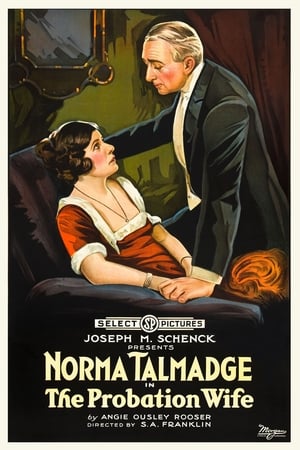
A 1919 film directed by Sidney Franklin.
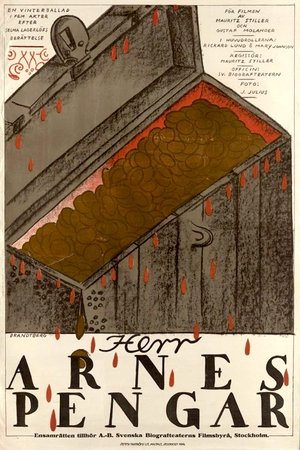
When housewife Trina wins the lottery, her comfortable life with her dentist husband John slowly deteriorates, in part by her own increasing paranoia and partly by the machinations of villainous acquaintance Marcus.
A bank clerk forges a check to help his girlfriend's father. He's found out, but instead of being arrested he becomes a member of a gang of forgers.
James Rallston, facing financial hardship, marries a wealthy invalid widow with a daughter, Jean, and plots to control her fortune. He orchestrates her confinement in a sanitarium by drugging her and falsely claiming she is insane, with the help of a conniving doctor and sanitarium keeper. Fifteen years later, Rallston has lost Jean's fortune through speculation and seeks help from John Bigelow to recover it, offering Jean as a reward. Bigelow, suspicious of Rallston, discovers the truth about the widow and Jean's father, and rescues the widow from the sanitarium.
Two friends, Fritz and Theodor, make the acquaintance of Christine and Mizzi, who are also friends. Fritz is immediately captivated by Christine, who is bashful and modest as opposed to the eager, effervescent Mizzi. But even though the love between the two grows, Christine is not the only woman in Fritz’s life. His affair with a married woman will prove to have fatal consequences.
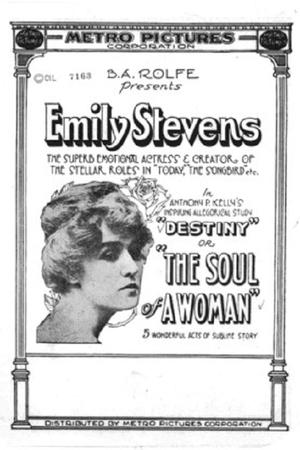
Hester Prynne's forced public shaming in a strict 17th-century Puritan colony. She wears a scarlet "A" for having a child out of wedlock while her husband is missing and her lover, a minister, hides his involvement.
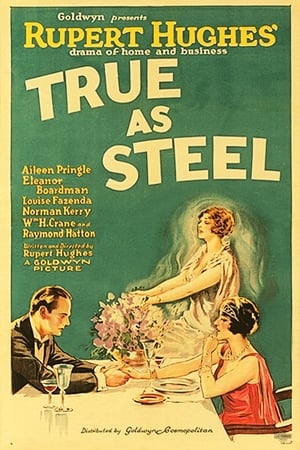
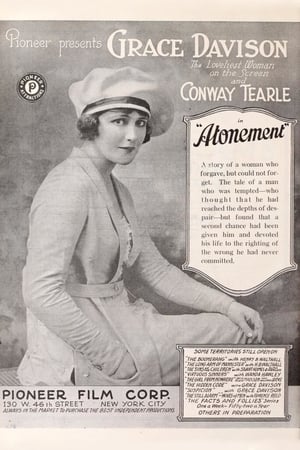
Alcoholic former artist David Stanley and impoverished violinist Judith Deering appear before Judge Henning. After the kindly judge dismisses the minor charges against the couple, Judith finds a job, after which she secretly sends money to David, using the judge as an intermediary. David soon stops drinking and successfully resumes his career.
A young sailor named John Shreve on the cargo ship Golden Bought falls for a woman, Mary, who is trying to escape the ship's brutal environment and tyrannical captain, Simon Gant.
A couple of boy gangs in Budapest constantly fight over the neighborhood turf.
The Perils of Pauline is a motion picture serial shown in weekly installments featuring the actress Pearl White playing the title character. Pauline has often been cited as a famous example of a damsel-in-distress, although viewers will find her character more resourceful and less helpless than the classic 'damsel' stereotype. Nine episodes (from a condensed 1916 re-release) survive to this day.