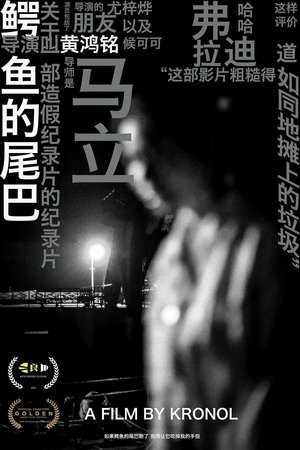
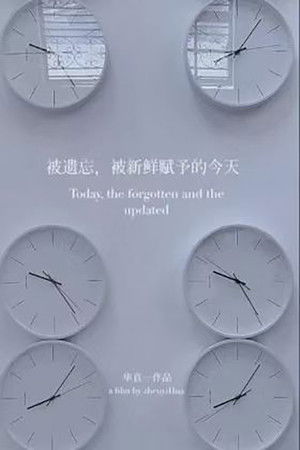
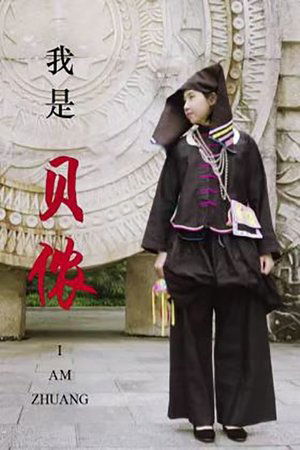
In order to finish her homework, the girl decided to shoot a fake documentary. In the process, she came closer to her grandmother's world and found herself.
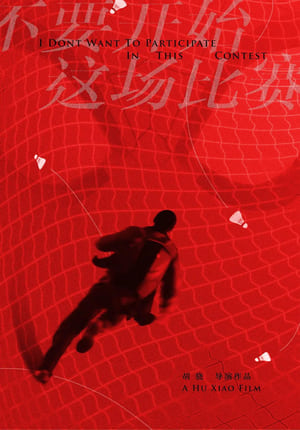
Ma Wankun, a 13 years old teenager, was under pressure from the high school entrance exam. His parents arranged him to take part in an already-decided badminton match to gain extra points. However, Ma Wankun wanted to quit the competition in his own way, which was opposed by his parents and teachers.
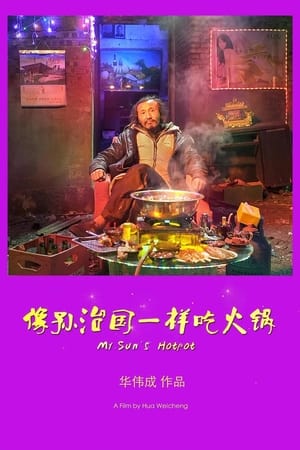
A guide to eating hot pot that a crazy Paoge said.
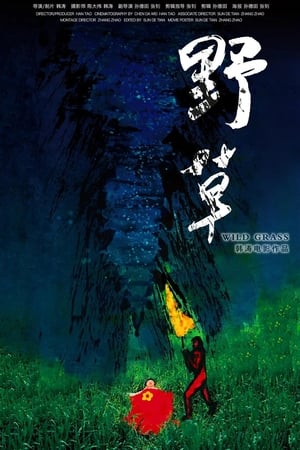
WILD GRASS
The story of a girl attempted suicide for love and finally returned to religion.
This story is about the group's marvellous life without money.The film tell this story from six points of view: the screenwriter, the recording, the photography, the art, the performer and the director.
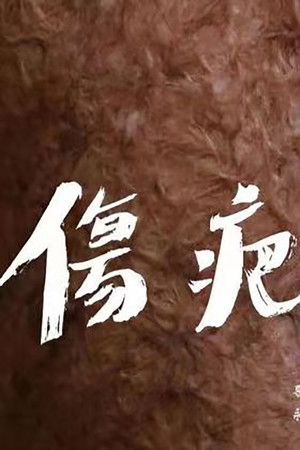
Scars, which are unfortunate or unexpected results, are also signs of healing. This new connective tissue replaces the process of injured tissues, and at the same time it becomes a metaphor for the pain and frustration of life: the sadness of the body, the union of pain... In short, scars have become a proof, a proof of existence, a proof of alive, a proof of pain, and a proof of a certain age. Beginning in 1949, in this vast land, these various scars, these healing marks, patterns, sad shapes, bring personal memories, collective pains, the marks of history, and come together Gaze, the meaning of the record. This film is the first part of the "Scar" project, the story of 110 Chinese scars.
Liu Renwang, a villager in Yaoyang Village, Zhongyang County, Luliang City, Shanxi Province, was wrongly sentenced to prison for being shot dead with the former deputy director of the village village committee.
The baby is a temporary floating population. He works diligently, from a small restaurant owner to a tea shop manager to a bar manager. This film records the survival state of children centered and gay comrades: trivial, messy, boring, and entertaining themselves. The camera calmly captures every bit of their daily life for more than two years, and as time goes by, the changes the baby presents are more ordinary. The film calmly explains the relationship between "comrades" and "society", and the various small details interpenetrated in the film also metaphorically reflect the changes of today's society
What are we doing after the war?
This film is about the story of the main character and his younger brother, the younger brother saw the comic book of the main character, in his brain, he had a fight of animal chess related to memory. The younger brother belongs to the green party, the elder brother belongs to the orange party, at last the elder brother lost and the younger brother won in his consciousness, the younger brother took the elder brother to see the future elder brother in the heart of the younger brother.
Here is only one chance in life, and the way of education has a profound impact on the future of children; letting children go to school at home is a challenge and an experiment that does not allow failure... This film visits four families who have completely different backgrounds but also choose to teach themselves. Through the sharing of experiences between their children and their parents, it presents the appearance of the phenomenon of self-study in Taiwan today. Is the pursuit of the happy growth of one's own children contradictory to the hope that the children will become a dragon and a phoenix? What kind of learning environment should we prepare for children? How do families with different backgrounds and children with different qualifications choose appropriate education methods? What is best for children?
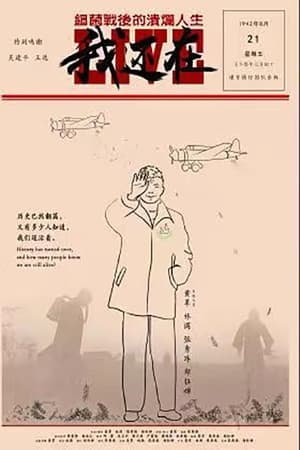
On August 21, 1942, while the Japanese "Expeditionary Team" immediately retreated with ground troops, they scattered anthrax on fields, grasses, and crops in urban residential areas along the Zhejiang-Jiangxi traffic. People along the route mostly depend on farming for their livelihoods, so at the same time, many people crippled and died with rotten feet. According to incomplete statistics, there are only more than 160 suspected germ warfare survivors in Quzhou, Zhejiang. This film focuses on these surviving elderly people. When 70 years have passed since the war and a new chapter of history opened, what kind of lives are the old people who are victims? What kind of mental state are you in? Will the wounds left over from the war heal? What is the attitude towards war?
Beixnuengx means compatriot in the Zhuang language. I was born and raised in the city. Although I am Zhuang (China’s ethnic group), am I Beixnuengx? I want to find my identity. So I started with Zhuang folk songs. I set off from Nanning to Wuming, Baise, and then to Mashan, my hometown that I have never been to. I met people singing songs in WeChat groups; I joined the Zhuang song festival at the entrance of the village, I visited 100-year-olds who still make Zhuang brocade... What are the stories of those singing folk songs? What Beixnuengx culture is revealed in folk songs? Along the way, I slowly uncovered the much advertised Zhuang culture and saw her in the most original form. In the end, how did I answer my initial question?
In the first scene of the film, the characters in the story enter a child's dream, trying to return to their childhood by looking for strange and familiar memory images in the dream. The film starts with the director's private memories. The still images come from the images and old films taken by the director back in the village where he lived in his childhood. Through the interpenetration of memories in dreams and the present, it explores how "people" deal with trauma at the psychological level.
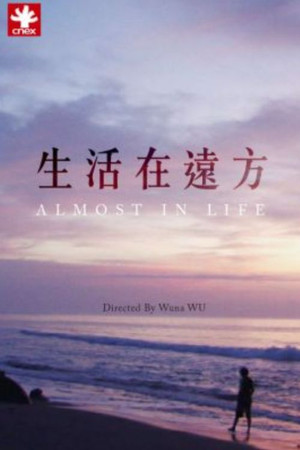
生活在遠方
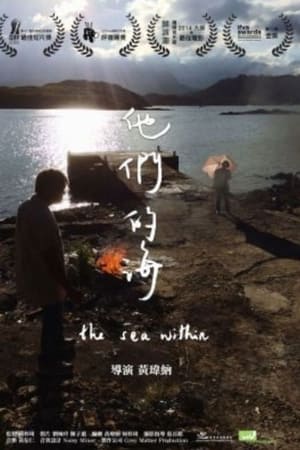
Fishermen couple Ah Shing and Mei-wah, having lived from boat to shore, stayed together for most of their lives. After their son grew up, they have different visions towards the rest of their days. Ah Shing insists on fishing amid the decline of the local fishing industry. Mei-wah works as a factory worker and wishes for a more stable life. Even when there are subtle and profound changes in their relationships due to the different views, their affections for each other never stopped and they still support each other. This story is based on the real-life experience of the director's parents, and they play their own character in the film.
The work was shot in Chongqing where Yu Guo lives. The artist utilises a camera with 8000mm digital zoom to capture the farthest objects that lens could reach. Because of the refraction of air and the limit of distance, the images that taken from kilometres away becomes blurred. Yu Guo continually adjusts the focal length in the process of shooting. Then, these unclear and ambiguous objects are inserted into the original or different video clips by re-editing or a collaging way. Through the misplacement of vision and the transformation of context, the original information and reference split in the images. Yu Guo attempts to interrogate the physical distance between himself and object, the relationship between subject and object in the video, and then re-examine the individual relationship and psychological distance in real life.
This video work is a fictional online Feng Shui guideline. A Feng Shui master on-screen in connecting to a person's brain to observe the image fragments in it and, based on that, try to give advice. It turns out to become a dispute between the two. Composed with images from real places like modern residences, high-speed train stations, national enterprises in mid of change, and mining factories, the video gives a dizzying visual effect. The artist narrates the words mixed with humorous, personal, and authoritarian languages. The work concerns the complex relationship between medium, feelings and narratives, and how a personal destiny can be narrated in relation to specific spatial-physicality.
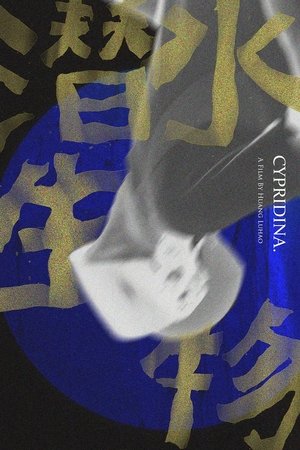
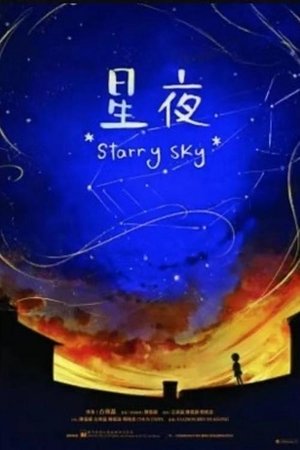
A shy boy, who was not good at communicating with others, saw a shining fish in a stream one day and took it home. Since then, his life has changed. The lonely little boy was getting vivacious because of the little fish. But suddenly one morning when he got up, the fish disappeared...