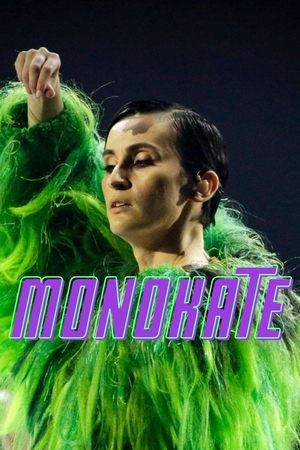
Documentary that follows Go_A’s lead singer Kateryna Pavlenko in the build up to Eurovision 2021.
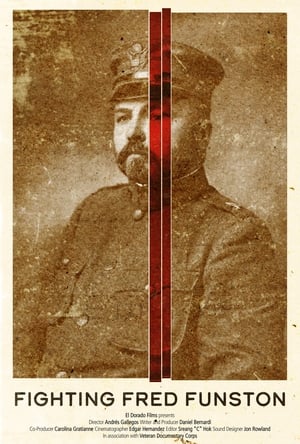
On April 18th, 1906, San Francisco witnessed its most devastating natural disaster – an earthquake that initiated a city-wide fire. The commanding officer of the U.S. Army base at the Presidio, Fred Funston, gathered citizens to fight the fire, patrol the streets, and rebuild the city – all without authorization.
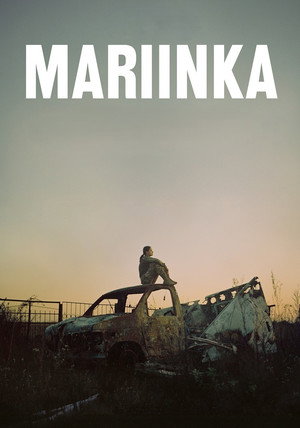
Ruslana Abrosimova, 17 years old, lives in Mariinka, Donetsk region. Now Ruslana is in an unconditional state of war and is struggling every day with her desire to go out on the street or to stay at home, safe, in her room. War in Ukraine rages for more than five years already. Still, teens never cease to think about studying, discovering new cities and their bright future. Conflict occurs at every step as soon as the children open their room doors. That`s why Ruslana decided to take her camera and start to film her reality.
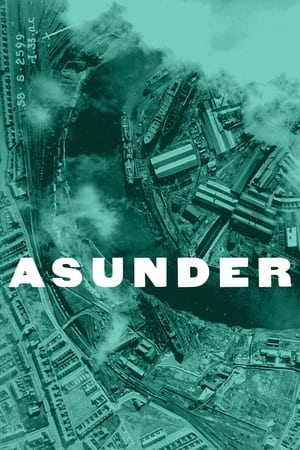
Esther Johnson’s film uses local archive footage to convey the story of Sunderland's involvement in the First World War, from the men who fought in the fields to those who stayed behind to work in the region’s shipyards and munitions factories.
Documentary to mark the WI's centenary. Lucy Worsley goes beyond the stereotypes of jam and Jerusalem to reveal the surprisingly radical side of this Great British institution.
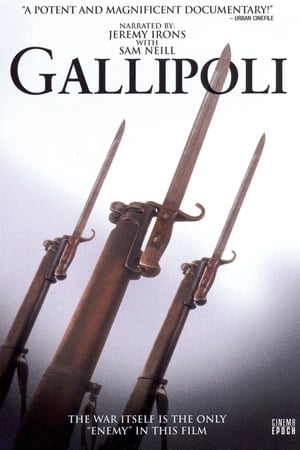
This program provides, through 1st hand accounts & contemporary films & photographs, a rare insight into what really happened. Together with meticulously researched stories, it provides a unique analysis of the Gallipoli campaign, including never-seen before interviews with the last 10 Gallipoli Anzacs, rare film footage showing the beach & trenches at Gallipoli.
The Gallipoli campaign of World War I was so controversial & devastating, it changed the face of battle forever. Using diaries, letters, photographs and memoirs, acclaimed director, Tolga Ornek, traces the personal journeys of Australian, New Zealand, British and Turkish soldiers, from innocence and patriotism to hardship and heartbreak.
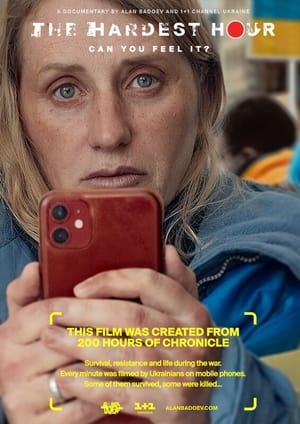
The unique testimony of the tragic events and crimes of russia through the eyes of Ukrainians, which the entire world must see and feel. Film was created from 200 hours of chronicles: survival, resistance, and life during the war. Every minute was filmed by Ukrainians with their mobile phones. Each story in the documentary is a film captured and filmed by Ukrainians on their devices.
The story of a Ukrainian cat named Loki: his journey to escape the war in Ukraine and his adaptation in Ireland.
An unsentimental yet compassionate film about building a community to increase a sense of belonging despite living the worst times ever imagined.
This educational film was compiled from original footage from 1917. It shows, among other things, guns, troop transports in the port of Libau and a bombardment of the Russian coastal batteries on Ösel with on-board artillery.
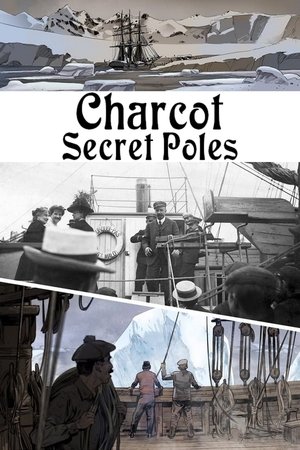
The adventures and exploits of Jean-Baptiste Charcot (1867-1936), an intrepid scientist and explorer who laid the foundations of modern oceanography.
This film takes us into the harsh realm of BC's early coal mines, canneries, and lumber camps; where primitve conditions and speed-ups often cost lives. Then, the film moves through the unemployed' struggles of the '30s, post WWII equity campaigns, and into more recent public sector strikes over union rights.
In Eastern Ukraine, childhood neighbors find their lives violently derailed by a shifting frontline. Natasha, a promising boxing talent, becomes a military paramedic. Angela, who lost her parents at a young age, survives by moving goods to both sides of the front. Caught in a modern Greek tragedy, brothers Mark and Ruslan now fight on opposite sides – against each other. In the safety of his adoptive family in the United States, their youngest brother Daniil follows the war from afar.
Arras 1917, l'histoire des tunneliers néo-zélandais
The film uniquely recounts the lives of workers at Ukraine's Chornobyl nuclear power plant, National Guard soldiers and residents of surrounding towns and villages. These have been at the epicenter of the Russian occupation since February 24, 2022. It's a film that shows how a thin line separates humanity from another nuclear catastrophe and how the fight for survival was on a "ticking bomb." Under the constant threat of shelling and rockets.
When on February 24, 2022, Russian troops attacked Ukraine, the world stopped. The first shock, however, quickly turned into action. It was a natural impulse of the heart, Poles could not leave their neighbors, their friends from Ukraine completely alone. Almost everyone, residents of small and large cities, young and old, rich and poor, became involved in helping Ukrainians, opened their homes for those fleeing the war, and began to organize humanitarian aid. Did they pass the humanity test?
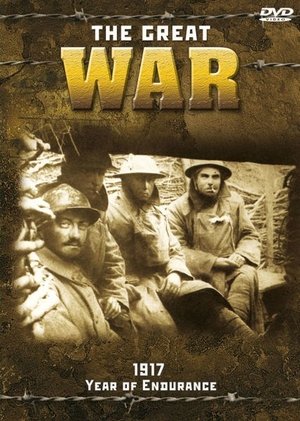
Part of the documentary series looking at the course of the First World War. This volume examines the events of 1917, when the Allies launched desperate attacks on the German lines with huge casualties, but with little result. By the end of the year, the Russians had withdrawn from the conflict following the Revolution, while the Americans were slowly becoming involved.
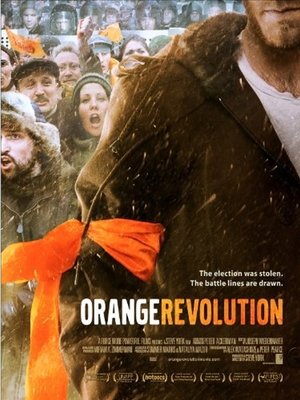
Filmmaker Steve York explores the controversial 2004 Ukrainian presidential election, during which candidate Viktor Yushchenko suffered a near-fatal poisoning and his unpopular opponent, Viktor Yanukovych, was declared the winner. In the aftermath, more than a million people -- including the ailing Yushchenko -- took to the streets of Kiev, protesting the results that contradicted exit polls showing Yushchenko with an impressive lead.
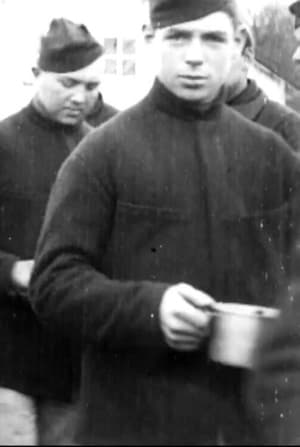
Poignant scenes of Allied troops enjoying their Yuletide rations at the first Christmas of WWI.