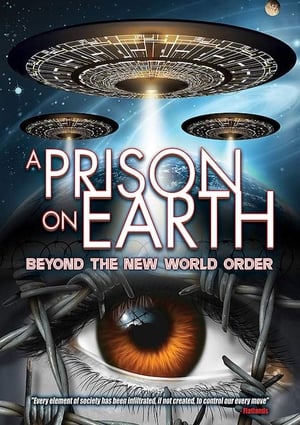
A documentary purporting to expose the interdimensional alien beings who have enslaved humanity for centuries.
The documentary depicts three women enjoying a weekend roleplaying as schoolgirls and participating in BDSM activities under the auspices of the cult Aristasia.
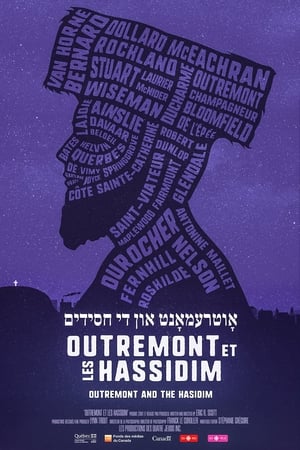
OUTREMONT AND THE HASIDIM reveals the challenges of accommodating the “Hasidim” – or ultra-Orthodox Jews – in the affluent Montréal borough of Outremont.Some 7,000 Hasidim live in or near this choice neighbourhood of Québec’s Francophone elite. After settling there more than 70 years ago, the Hasidim are a rapidly growing minority group which today represents about 23% of Outremont’s population.Thanks to unprecedented access to this self-isolated community, the film lifts the veil on its practices, traditions, music and life as they had never before been seen on Canadian television, without ignoring the community’s expectations, fears. and hopes.
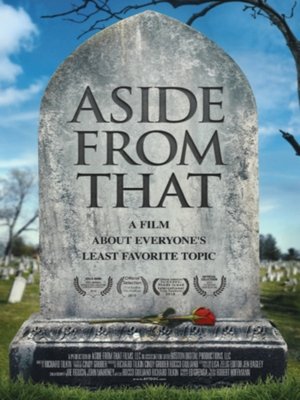
How do we live, knowing we are going to die? In search of answers, we probed the minds of atheists, Buddhists, Jews, Christians, physicians, philosophers, authors, academics, a legendary stand-up comic, and scores of random pedestrians.
Brief history and profile of Inuit communities in Northern Labrador and the role of the Moravian missionaries in the region. Warning for outdated and offensive term used.
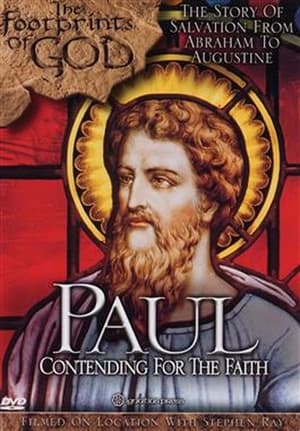
Before he "saw the light," Saul of Tarsus pursued murderous threats against the disciples of Jesus. But Saul's zeal was upended when he was knocked from his horse and humbled by the hand of God. Join Stephen Ray, best-selling Catholic author and popular Bible teacher, as he takes you on the road with St. Paul through Israel, Syria, Turkey, Greece and Italy. Part of the "Footprints of God" series of devotional DVDs.
Former members of a utopian commune that rejected mainstream society as the "Death Culture" reckon with their past while rebuilding lives in the very world they were taught to despise.
Were the eleven official witnesses—twelve if you include Joseph Smith himself—of the Book of Mormon reliable? What about the unofficial witnesses who interacted with the plates in various ways—including a number of women? Were the plates actually made of gold? How could witnesses really hear the voice of God and yet come to doubt His prophet?
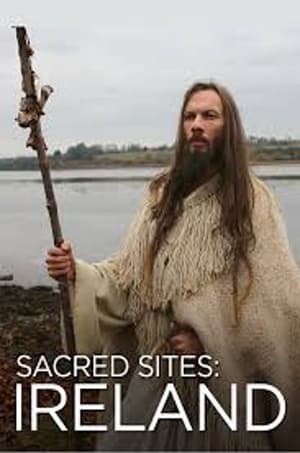
Ireland's history is steeped in religion and mystery. Why did its people stop worshipping the earth 5,000 years ago? Did St. Patrick really act alone in converting the Irish to Christianity in the 5th century? Historians, astronomers, and other scientists believe answers to these and other questions lie in the stars. Discover the role that celestial occurrences have played in Irish religious beliefs and practices as we explore ancient hallowed sites and even the heavens above.
Why would two New York-based filmmakers dedicate five years of their lives to following three white, Jesus-loving, spandex-clad men from the Bible Belt, particularly when the world of documentary filmmaking has generated its fair share of films concerning sensationalistic religious expression and contact sports in recent years? Because it's not about wrestling, and it's not about Jesus. Against a bizarre and entertaining backdrop, and through a motley cast of characters, we are reminded of what connects us all, lest we forget what it means to be human.
Banned from the Bible I in 2003. Banned from the Bible discusses the ancient books that did not become part of the Biblical canon.
They call it religion. It's been branded a cult. The lethal handling of serpents. In the name of God. Immolation, speaking in tongues, ecstasy, self injury and the dangerous snakes. The bible belt of the very South. Backyard churches. In West Virginia, Kentucky and Tennessee. Appalachia.
Advertising guru Simon Cole embarks on an entertaining personal trip across the country in search of the almighty.
Roughly chronological, from 3/96 to 11/96, with a coda in spring of 1997: inside compounds of Aum Shinrikyo, a Buddhist sect led by Shoko Asahara. (Members confessed to a murderous sarin attack in the Tokyo subway in 1995.) We see what they eat, where they sleep, and how they respond to media scrutiny, on-going trials, the shrinking of their fortunes, and the criticism of society. Central focus is placed on Hiroshi Araki, a young man who finds himself elevated to chief spokesman for Aum after its leaders are arrested. Araki faces extreme hostility from the Japanese public, who find it hard to believe that most followers of the cult had no idea of the attacks and even harder to understand why these followers remain devoted to the religion, if not the violence.
How does Genesis relate to the "real world?" Does it matter whether one believes in Creation or Evolution? Watch this unique and important message for today and understand why the Genesis Creation account is foundational to Christianity.
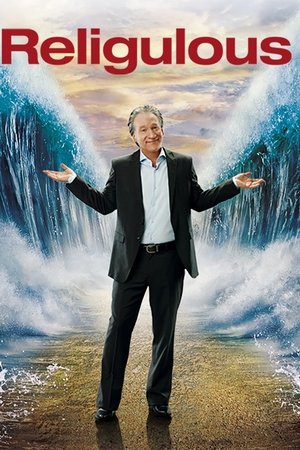
Commentator-comic Bill Maher plays devil's advocate with religion as he talks to believers about their faith. Traveling around the world, Maher examines the tenets of Christianity, Judaism and Islam and raises questions about homosexuality, proof of Christ's existence, Jewish Sabbath laws, violent Muslim extremists.
An in-depth documentary on the behind-the-scenes of the 1990 Canuck cult classic The Final Sacrifice.
In 2012, Stephen Vaughan and Kay Ferreter are invited to address the congregation at St. Joseph's Redemptorists Church in Dundalk, Ireland for the Solemn Novena Festival. In a powerful speech, the pair describe their experiences being gay and lesbian in Ireland, feeling excluded by Catholic doctrine, and the importance of a more inclusive church.
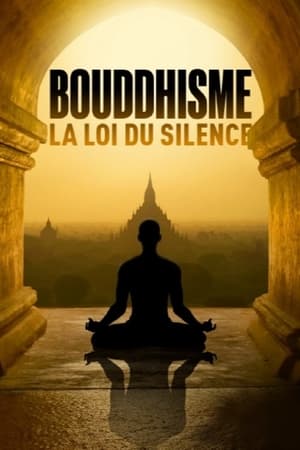
Sexual abuses, mental manipulation and embezzlement: Tibetan Buddhism is shaken by serious scandals. An in-depth account that lifts the veil on the unspiritual underbelly of a religion venerated in Europe.
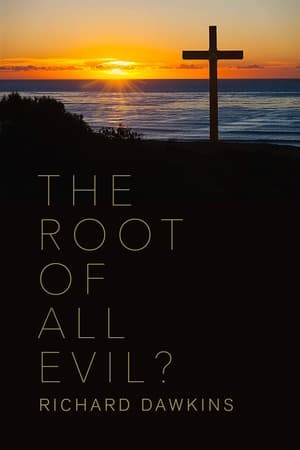
In this two-part Channel 4 series, Professor Richard Dawkins challenges what he describes as 'a process of non-thinking called faith'. He describes his astonishment that, at the start of the 21st century, religious faith is gaining ground in the face of rational, scientific truth. Science, based on scepticism, investigation and evidence, must continuously test its own concepts and claims. Faith, by definition, defies evidence: it is untested and unshakeable, and is therefore in direct contradiction with science. In addition, though religions preach morality, peace and hope, in fact, says Dawkins, they bring intolerance, violence and destruction. The growth of extreme fundamentalism in so many religions across the world not only endangers humanity but, he argues, is in conflict with the trend over thousands of years of history for humanity to progress to become more enlightened and more tolerant.