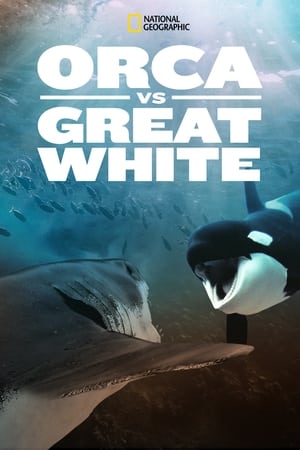
Researchers investigate whether orcas have begun hunting great white sharks off the coast of New Zealand.
Some champion exhibits from the National Cat Club Show and the Combined Bird and Aquaria Show, described by W. Cox-Ife, F. Hopkins, and L.C. Mandeville.
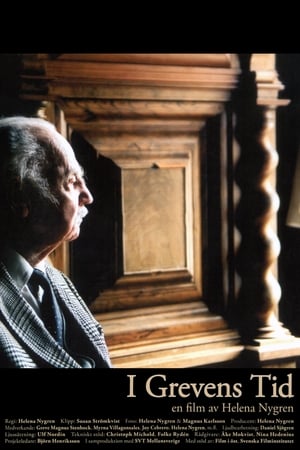
At the forests of Östergötland, where land meets sea, rests the old castle Herrborum. Here lives count Magnus Stenbock, 92, according to his own ideas about what is appropriate and what is not. Film-maker Helena Nygren is fascinated by the count and the castle, and is allowed to film on the condition that she takes the role of companion lady. Over one year, Helena returns several times to take part of count Magnus Stenbock and his servants life on castle Herrborum in Östergötland. Time stands still on the castle, and in the movie Helena wants to preserve the fairy tale feeling she gets when she steps into these ancient surroundings. The count is a strong personality with strong opinions and a great interest in history. All kinds of people come to his castle to savor the special atmosphere and follow the old fashioned rules of etiquette. Helena transforms from an observer to a lady who participates in the social games on the estate, where everything moves around its own time axis.
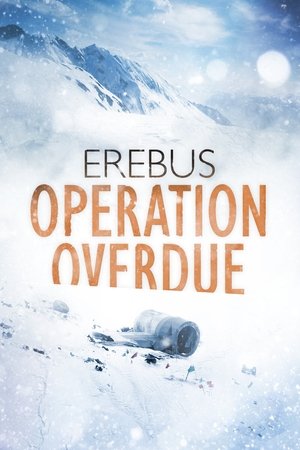
On 28 November 1979, an Air New Zealand jet with 257 passengers went missing during a sightseeing tour over Antarctica. Within hours 11 ordinary police officers were called to duty to face the formidable Mount Erebus. As the police recovered the victims, an investigation team tried to uncover the mystery of how a jet could fly into a mountain in broad daylight. Did the airline have a secret it wanted to bury? This film tells the story of four New Zealand police officers who went to Antarctica as part of the police operation to recover the victims of the crash. Set in the beautiful yet hostile environment of Antarctica, this is the emotional and compelling true story of an extraordinary police operation.
Fun, disarming and musically provocative, the Topp Twins are New Zealand's finest lesbian country and western singers and the country's greatest export since rack of lamb and the Lord of the Rings movie trilogy.
Cats are the most popular pets in Europe, with twelve million living in Germany alone. And yet: hardly anyone knows how they live and what they do as soon as they leave their home. Where do they go? Martina Treusch's documentary takes a closer look at the nature and fascination of these popular animals.
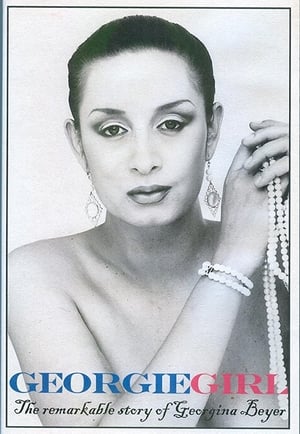
In 1999, the largely conservative Wairarapa district in New Zealand elected a former cabaret performer/actress named Georgina Beyer to the country's House of Parliament -- a seemingly unremarkable event in that country's history except for the fact that Beyer is a transsexual and may very well be the first transsexual in the world to be elected to a national office. In their 2002 biographical documentary Georgie Girl, co-directors Peter Wells and Annie Goldson highlight the popular Member of Parliament's rapid rise through local government to prominence in the New Zealand national government.
A cat lounges on a chair, while the sound of birdsong and traffic echoes through a window.
Born on the street, Lenny was forced to part with her mother by an ignorant human being. Soon after she was abandoned and taken back to the road. Fortunately, she was saved, and lived in temporary shelters til she met her present butler. Lenny's butler and documentary film director, Hee-seop, who was tired of city life, decides to take the camera to tell the story of various cat butlers who are practicing "coexistence" in their own ways, different from his own.
Two years ago Guyon Espiner stopped drinking. Now, the award-winning journalist and podcast-maker has made a documentary about New Zealand's drinking culture and the alcohol industry.
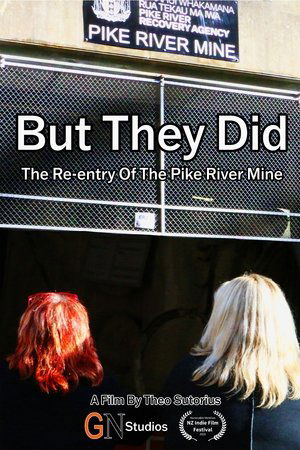
Anna Osborn and Sonia Rockhouse were forever changed when the Pike River Mine Disaster stole their loved ones, but instead of sitting down, they stood up! But They Did tells Anna and Sonia's story, following them through the period of time before and during the re-entry of the mine.
TAPESTRY, part of Lawrence Jordan's "Odyssey" triptych and filmed much later in Jordan's life, is a charged record of his bachelor life after marriage and child-rearing.
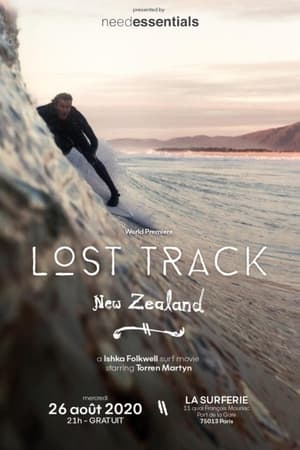
Two surfers go on a road trip through New Zealand. Taking you on a journey of a lifetime through the remote wilderness of New Zealand in search of perfect waves and life long memories. Follow surfer Torren Martyn and filmmaker Ishka Folkwell as they embark on a four month motorcycle adventure into the depths of the land of the long white cloud. Allowing you to ride along on an epic adventure and reminds us that although life has its highs and lows, if you can ride those waves you'll always find contentment in a deep connection with nature and the ocean.
A video essay about a conversation the director had with a friend about a particular picture of a cat sitting in front of a plate of blins.
This 1981 NFU film is a tour of the contemporary world of Aotearoa’s tangata whenua. It won headlines over claims that its portrayal of Māori had been sanitised for overseas viewers. Debate and a recut ensued. Writer Witi Ihimaera felt that mentions of contentious issues (Bastion Point, the land march) in his original script were ignored or elided in the final film, and withdrew from the project. He later told journalists that the controversy showed that educated members of minority groups were no longer prepared to let the majority interpret the minority view.
Eighth Wonder of the Industrial World
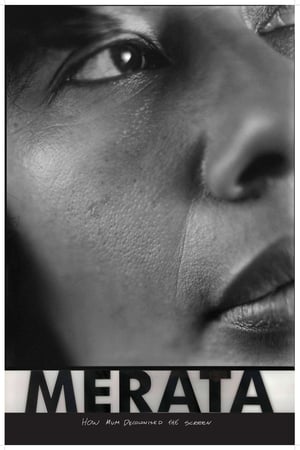
This film is an intimate portrayal of pioneering filmmaker Merata Mita told through the eyes of her children. Using hours of archive footage, some never before seen, her youngest child and director Hepi Mita discovers the filmmaker he never knew and shares the mother he lost, with the world.
Shot for an Australian Travel Agents Seminar, this short film seeks to portray 1969 New Zealand as a hip and happening place. The tourism clichés of a scenic wonderland remain, but the film attempts to present a more sophisticated NZ to entice jet-set Aussies east. After all, we "got rid of six o'clock closing ages ago." To complement the Anzac staples of sport, beer and gambling there are mountains and Māori. Nightclubs offer show bands and strippers for "relaxation" after strenuous days of sightseeing. C’mon is a fascinating snapshot of a nation in transition.
The film 'Canterbury is One Hundred' was produced by the National Film Unit in 1950 to celebrate the region's centennial. Written and directed by Oxley Hughan, it emphasises the bucolic agricultural productivity of the Canterbury region, particularly through the lambing and wheat-growing industries. Life in Canterbury's cities is presented as people 'taking pleasure in their neat gardens and comfortable wooden houses', in contrast to the rustic huts built by the early settlers a century earlier. The film is also a poignant tribute to Christchurch's celebrated Neo-Gothic architecture, much of which was destroyed following the February 2011 earthquake.
Cat experts explain the behaviors of domestic cats and how their sometimes undesirable actions are really innate instincts, revealing how closely they are still connected to their wild ancestors.