Across a series of increasingly surreal flashbacks, an extended Indigenous family argues about what caused their boat’s motor to breakdown and leave them stranded. As they consider the causal roles played by ancestral spirits, the regulatory state and the Christian faith, the film makes manifest the multiple demands and inescapable vortexes of contemporary Indigenous life.
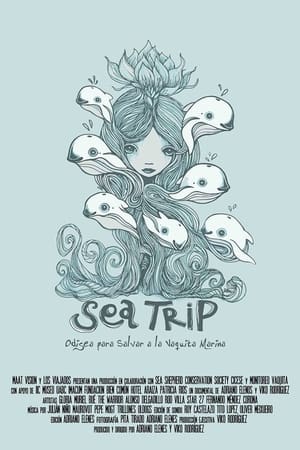
The imminent extinction of the vaquita porpoise and the totoaba, two species endemic to Baja California and sought after by the mafia for their swim bladders, which are highly prized in the East; victims of illegal fishing nets and in danger of extinction.
Part of Me Now
In a taxi conversation in Tbilisi. Europe, immigration and the comparison between today's capitalism and the Soviet dictatorship are some of the subjects taken up.
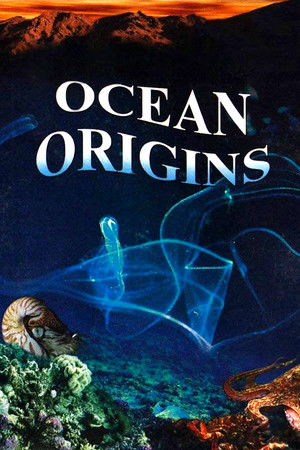
A documentary that explores the natural world of the sea, from the single-celled organism to more complex forms of life, OCEAN ORIGINS was originally filmed in the IMAX large format, which adds a crispness and clarity to the images. This documentary film seeks to examine the process of evolution by looking at the many creatures of the sea that can illustrate the way multi-cellular life emerged over the course of four billion years. OCEAN ORIGINS is a creative film that uses fascinating documentary footage to look at scientific theories and principles in an interesting manner
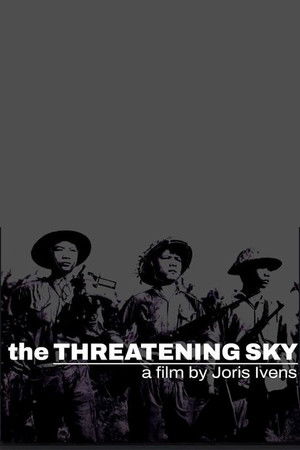
This documentary presents the Vietnam War as seen from within Vietnam, focusing on civilian life, industrial and agricultural labor, and organized resistance under sustained aerial bombardment. Introduced by Bertrand Russell, the film situates the conflict within a broader history of anti-occupation struggles, drawing parallels to World War II resistance movements. Footage includes interviews with Vietnamese leaders, scenes of air defense, and mass political mobilization.
This is a story about people whose invisible job is to clean up the world that is hidden from our society.
Documentary about the iconic portrait of Ernesto 'Che' Guevara by Cuban photographer Alberto Diaz Gutiérrez (known as 'Korda').
Documentarian Jon Boorstin follows architect Frank Gehry and his sister, Doreen Gehry Nelson, as they attempt a new method of teaching elementary school children in Los Angeles. With funding from the National Endowment for the Arts, the siblings work together on a pilot program of “design-based learning” that would restructure the typical classroom curriculum, replacing rote math or civics lessons with an imaginary city designed and built entirely by the students themselves. Restored in 2018 by the Academy Film Archive.
A portrait of three Los Angeles area residents who create things with their hands. Angelo Austin decorates wedding cakes; Dean Jeffries designs, manufactures, and paints custom cars; and Pamela Weir-Quiton creates wooden dolls. Restored by the Academy Film Archive in 2016.
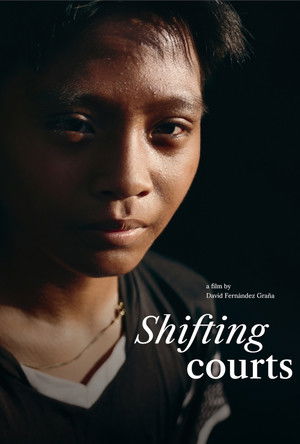
In the coastal village of Amed, Bali, life moves to a rhythm set by the sea and the volcano. However, an unexpected change is taking shape on the courts: the global rise of pickleball. "Shifting Courts" is an observational documentary short that explores how this sport has become a silent bridge between the local community and the outside world, capturing an intimate look at Balinese identity in the face of globalization and international tourism.
The constant movement of the wheels, threads, sprockets, feet and hands suggests restlessness, and this is paralleled by the soundtrack. The unknown woman could be Gretchen from Faust, hopelessly in love or Ariadne who gave Theseus the thread to find his way out of labyrinth or perhaps she is one of the fates, weaving destiny… Enlarged from Super-8 to 35mm, the film is very grainy, in itself an homage to the medium of film which is also emphasized by the depiction of all kinds of turning machines, both in image and sound.
A cartoon film about the whole heterogeneous mixture of Canada and Canadians, and the way the invisible adhesive called federalism makes it all cling together. That the dissenting voices are many is made amply evident, in English and French. But this animated message also shows that Canadians can laugh at themselves and work out their problems objectively.
There are children. There are those who abuse them. And there are those who know, but never tell.
Good Morning in Singapore.
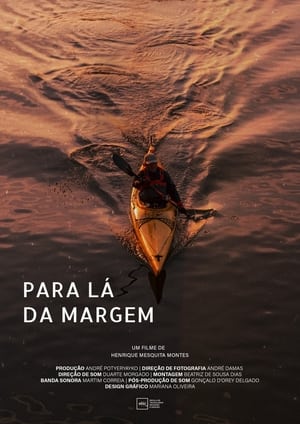
A man and his spirit navigate in harmony with nature. By day, by night, by the upheavals of unpredictability, he navigates the river as we all navigate our lives.
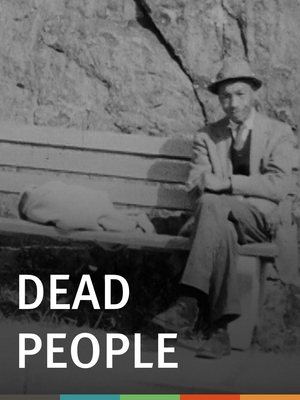
Filmed in 1974 and edited and released in 1983 (and then rereleased by its director in 2005), DEAD PEOPLE purports to document the final years of Frank Butler, a local fixture in the depressed burg of Ellicot City with a particular fondness for drink and tales of the dead. Over hazy 16mm footage two decades later, Deutsch adopted a painfully unsentimental view of his early approach, colored as it was by notions of ethnographic film and an undercurrent of fetishism for a man he considered somehow more "alive" than himself. While it chafes against notions of authenticity in documentary and incisively hints at the complicity of the subject in inventing his own history, DEAD PEOPLE simultaneously oozes nostalgia, transcending its own judgment as a gauzy memorial for the man Deutsch once called a friend.
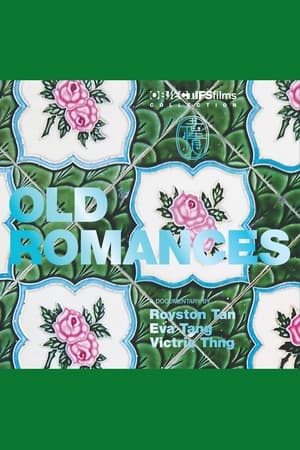
There is romance in every corner we turn. In this sequel to the documentary, Old Places, Old Romances takes us on a journey to experience Singapore through the collective voices of ordinary Singaporeans. Through their voices, we hear personal stories from members of the public who shared their anecdotes on radio. Everyday spaces come alive with these special memories, which are bonded forever with these places. Old Romances is a journal of love letters to places that we grew up with.
A working day for a group of young open-pit miners by a quarry in Apulia, Italy.
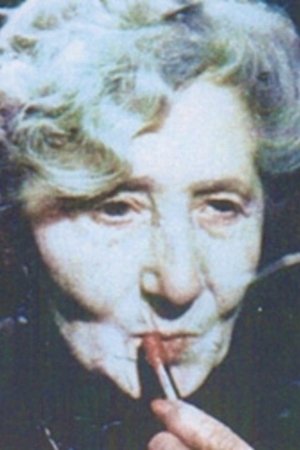
LA CASA DELLE VEDOVE portrays a group of widows who, he thinks, lived in a constant ‘dialogue‘ with death. In the house where they all lived ‘every colour was saturated with that special reddish shade that you see everywhere in Rome, and furthermore the rooms were filled with a stale, musty smell.‘