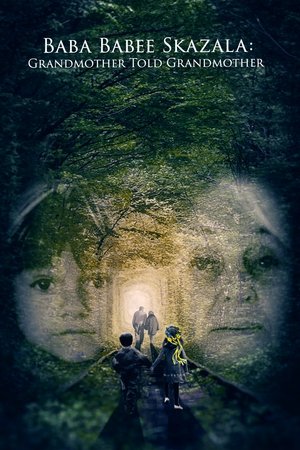
The little-known story of Ukrainian children torn from their homes in the crush between the Nazi and Soviet fronts in World War II. Spending their childhood as refugees in Europe, these inspiring individuals later immigrated to the United States, creating new homes and communities through their grit, faith and deep belief in the importance of preserving culture.
The movie explores the origin of the Ukrainian language and persecution of those who defended its authenticity. Using examples of other countries, creators of the film prove that a nation cannot exist without a language.
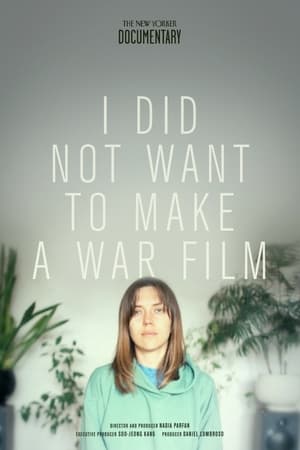
A full-scale invasion found the Kyiv director in a small Bedouin village in the Middle East. It was warm, safe, and unbearably far from home. Once the director had a prophetic dream. She decided to return to Kyiv, still the hostilities were unfolding. Despite the condemnation of relatives and the long journey, she finally managed to cross the threshold of her home. But the house itself has now become forever different.
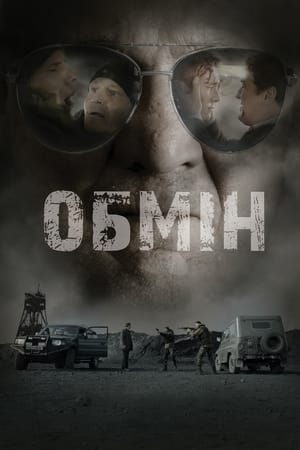
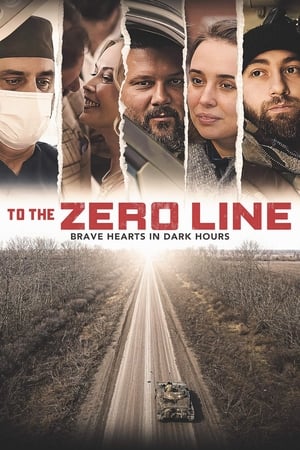
How to repay parental debt on the other side of the front line? Why would a doctor kill and when to believe the enemy? How is the war in eastern Ukraine different from any other war in the world? A war drama about the stories of two families, where adult men took up arms and thus crossed their destinies.
Dobropillia is a town located in Eastern Ukraine: 70 km from the border where conflicts with the breakaway republics are raging on and people feel always like being on the verge of total war. The sheer uncertainty about the future pushes folks to cling on to their daily habits while trying to get along with the ever-shifting political landscape. A wide array of wildly diversified characters try to cope as good as they can with the hardships in their town. A death metal band keeps rehearsing daily. A teacher guides visitors through the story of the city. The wonders of a vibrating armchair are tested as a tool against stress and anxiety. An elderly lady who has lost her son tries to talk some sense into her fellow citizens urging them to accept peace.
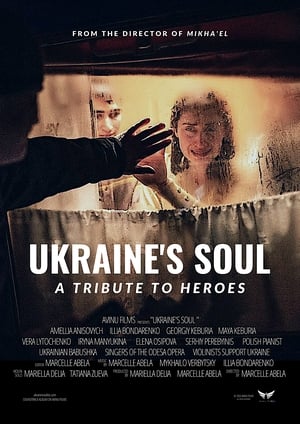
Documentary about Ukrainian heroes and others who keep making music in the harshest conditions, to lift people's spirits during the war with Russia. Shot on location in Ukraine, Russia, and Poland.
The film takes place on the eighth day of Russia's war campaign in Ukraine. Eight Ukrainians residing in the Czech Republic – a businesswoman, cleaning ladies, construction workers, and bus drivers – make their own diary-like observations of the events in their homeland. They continue to bury themselves in their work, unable to afford to withdraw themselves from their current lives. In their minds, however, they've transported themselves hundreds of kilometers away, helping their fellow countrymen and women by any means necessary. They provide accommodation for refugees, scout for bulletproof vests, and call their loved ones who’ve taken shelter from falling bombs. They have a hectic and emotionally overwhelming 24 hours ahead of them. But it’s not the first 24 hours and it won’t be the last.
A documentary about the horrific and destructive war that is currently taking place in Ukraine. The film tells the true stories of Ukrainians who have been forced to flee their homes, lose loved ones, and live in fear for their lives. It is a story about the courage, strength of will, and resilience of the Ukrainian people.
New York City's beloved Ukrainian restaurant Veselka is best known for its borscht and varenyky, but it has become a beacon of hope for Ukraine. As the second-generation owner Tom Birchard reluctantly retires after 54 years, his son Jason faces the pressures of stepping into his father’s shoes as the war in Ukraine impacts his family and staff.
Dedicated to the Children of Ukraine, victims of the brutal Russian invasion...Let everyone ask themselves and the leaders of their countries: what else has to happen, what arguments are needed that Ukraine is finally given the necessary military aid for Victory?
This lesson in political revelation focuses on the shooting down of the Malaysian passenger jet MH17 over eastern Ukraine in 2014. A meticulous, investigative exposé that lays bare the mechanisms of Russian warfare.
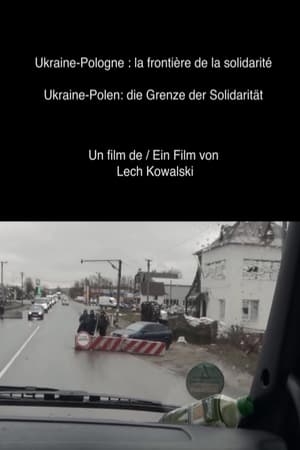
Since 24 February 2022, when the Russian invasion of Ukraine began, several million refugees have already been taken in by Poles. In the Lublin region, near the Bug River, which marks the border with Ukraine and Belarus, farmers, shopkeepers, a photographer, and a teacher tell how their daily lives have been transformed by the outbreak of this war.
The film looks at people transformed by a democratic revolution, who give up their normal lives to fight a Russian invasion, in a war which has killed 10,000 and displaced 1.9 million Ukrainians.
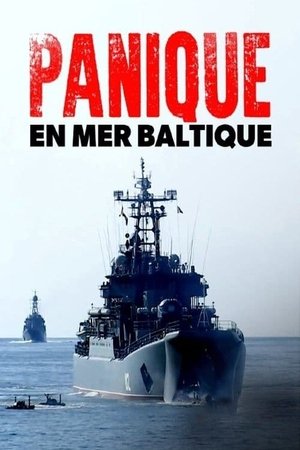
After the end of the Cold War, the Baltic was viewed almost as a quiet backwater. A nice place to visit to see charming Hanseatic cities and sandy beaches. But since the war in Ukraine the Baltic sea, bordered by eight European Union countries as well as Russia, has become a hot spot of world geopolitics. And tensions are high.
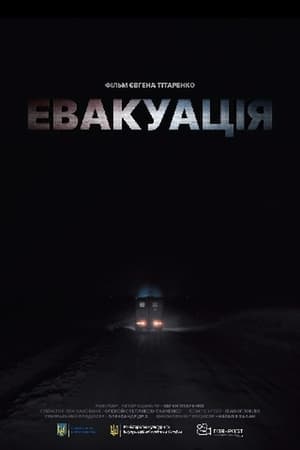
In 2014, the war begins. Immediately, a system of evacuation of the wounded and killed is being built, the outpost of which is the Dnieper - it is here that the first will be delivered, it is here that they are still received. Tatiana Guba has been coordinating the evacuation for 5 years. She is called "Mom Tanya". Thousands of people are grateful to her for her life. Serhiy Kryvorotchenko, director of the Dnipro Airport, has deployed a helicopter evacuation system since the beginning of the war. Eugene Titarenko, the film's director, in 2014-2015 was part of a volunteer medical battalion, communicates with the heroes of the film about the evacuation system. The viewer will see the whole way of saving lives, will be directly in the vortex of events and will understand how many people are involved in the process of saving one person.
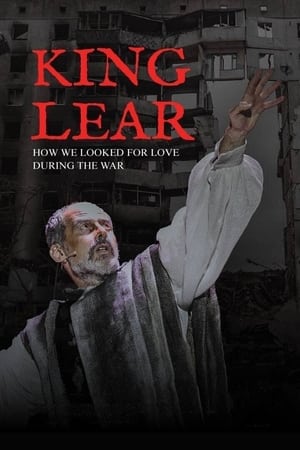
Due to the full-scale Russian invasion of Ukraine, tens of thousands of Ukrainians, fleeing the war, found refuge in Uzhhorod in western Ukraine. The local director decides to attract non-professional actors -displaced people - in bringing his dream into life - to stage the King Lear play. The theatrical performance helps them find themselves and their purpose in a new world where there is war, and the director finds an answer to the eternal question of what love is and why this world should not perish.
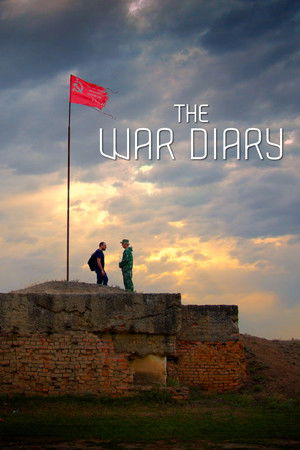
The War Diary is a contemporary road movie that confronts history with the current reality of Russia, Ukraine, Armenia and Georgia. An extraordinary document leads Hakob Melkonyan to undertake the journey of a lifetime:
Between February and April 2025, filmmakers Bernard-Henri Lévy and Marc Roussel filmed the Pokrovsk and Soumy fronts in eastern Ukraine, following the fighters of the Anne de Kyiv Brigade, armed by France. They filmed the daily lives of the inhabitants, bombarded by Russian forces terrorizing civilians on the eve of possible negotiations. They interview President Zelenskyy, who is reluctant to travel to Washington, and then watch the rebroadcast of the meeting with Ukrainian soldiers in a bunker. For the real heroes are the anonymous fighters and civilians who hold their heads high in the face of adversity and suffering, and who are filmed on a daily basis. The final part of Lévy’s “Ukrainian Quartet”, Our War is a diary, peppered with flashbacks in which the author recalls the high points of this war that began in 2014.
In the autumn of 2014, in the ATO zone, an intelligence group headed by experienced captain Anton Saienko (called by nickname "Banderas") tries to prevent sabotage and neutralize the Russian saboteur.
What to take, what to leave? How important are material possessions when you’re trying to save your life? Packages from Ukraine – filled with everything and nothing – wait patiently under a bridge to be found, while a voice stirs memories of frivolous and treasured personal effects, in an apparent heart-breaking farewell letter to Kyiv.