In the Caribbean, the Antilles archipelago stretches out in a string of islands blessed with abundant nature. Life has stubbornly taken root here, carried by the winds, washed up on the shore, or deposited by birds. Today, these islands are among the most biodiverse natural areas in the world. This film explores the wild, beautiful, and fragile Caribbean to discover some of the unique and singular animal species that inhabit it.
Searching for Hainan Gibbons
They hammer, drum and construct – meet the master builders and percussionists of the bird world – and their tenants, like tits, pigeons and squirrels!
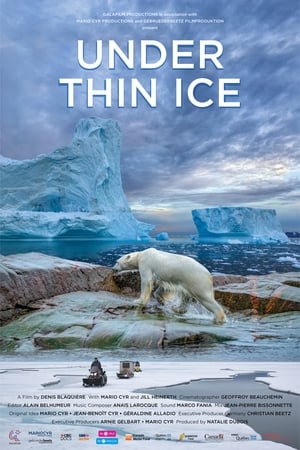
Two Canadian experts in underwater filming, Mario Cyr and Jill Heinerth, join forces for the first time to record how Arctic wildlife is adapting to the dramatic effects of climate change.
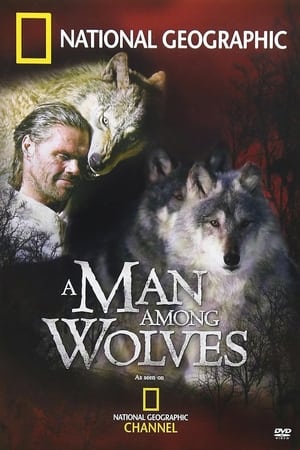
See a man living among wolves as the National Geographic Channel presents the unique story of maverick researcher named Shaun Ellis who raises abandoned wolf cubs and teaches them by example how to survive in the wild. In A Man Among Wolves, see how Shaun has given up everything to take a daring and unorthodox approach to understanding wolves' every move - living and behaving like them, howling, licking and snarling like them, even eating carcass meat like them.
Documentary about human impact on the world.
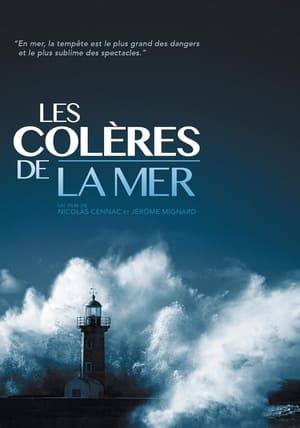
Les colères de la mer
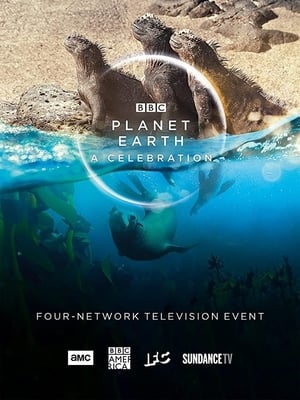
David Attenborough, Hans Zimmer and Dave unite for a special Natural History event – Planet Earth: A Celebration. The special one-hour programme brings together eight of the most extraordinary sequences from Planet Earth II and Blue Planet II including racer snakes vs iguana, surfing bottlenose dolphins and rare footage of the Himalayan snow leopard. Featuring new narration from David Attenborough, new compositions and arrangements from Hans Zimmer, Jacob Shea and the team at Bleeding Fingers and performed by the BBC Concert Orchestra, accompanied by Brit and Mercury Award-winning UK rapper Dave. In these extraordinary times, there is one thing that can offer solace to everyone – the wonder of the natural world.
Peter Westerveld, artist and visionary, doesn’t want institutions to resolve the problems linked to earth’s problems. Growing up in Africa, he witnessed the advance of the desert and dedicated himself to finding solutions for the ongoing erosion and desertification of the land. The film follows Peter and the NGO working with him to realise his project; to build contour trenches that capture and store rain water under the surface and replenish the desert land.
Set against the stunning backdrop of northern British Columbia’s wilderness, Wədzįh Nəne’ (Caribou Country) takes viewers on a contemplative journey through a rugged and remote landscape. Along the way, we meet those who live and work on the land – First Nations guardians, government biologists, and guide outfitters – each confronting the stark reality of declining caribou populations. This meditative film explores the profound connection between people and nature, and the enduring impacts of modernity on an ancient species.
Showcased in beautiful IMAX format, this documentary takes viewers into the hearts, minds and world of chimpanzees as it profiles legendary scientist Dr. Jane Goodall's work among the chimps at Gombe Park on Africa's Lake Tanganyka. Dr. Goodall and other researchers give us an up-close look at the daily lives of the Gombe chimp families -- Fifi and sons Freud and alpha male Frodo, along with Gremlin, Gaia and the endearing Galahad.
For several decades, geoscientists have been observing that the Earth is changing rapidly due to human intervention. This action has such a great impact on the biological, geological and atmospheric processes of the Earth that some scientists speak of the dawn of a new epoch: the Age of Man or the Anthropocene.
National Geographic presents Yellowstone Wolves: Succession, a captivating special that delves into the powerful and complex world of the Yellowstone wolves. In this episode, viewers will discover both the iconic wolf dynasties that have long been a symbol of the park’s wild landscape, and the newer generations that are beginning to establish their dominance in the region. Through stunning visuals and insightful narration, Yellowstone Wolves: Succession explores the intricate social structure of these packs. From the leadership of older, seasoned wolves to the rise of younger wolves stepping into crucial roles, the show offers a fascinating look at how these families evolve and survive in the rugged Yellowstone environment. The episode also highlights the challenges the wolves face, from environmental factors to competition with other predators, as they work to maintain their legacy in this iconic wilderness.
Greenpeace the story
Wild Canada
On 1500 metres above sea level, on the slope of the mountain Hallingskarvet, stands "Tvergastein', the cabin of Norwegian philosopher Arne Naess. In his life he has spent nearly 12 years in this hut, where he wrote several books and essays on philosophy and ecology. In this film, Naess tells about the concept of 'deep ecology', which was first introduced by him in 1973. One of the basic tenets of deep ecology is that nature has a value in itself, apart from its possible use value to humans. Next to being a famous mountaineer, Naess has been a longtime activist in the environmental movement. He gives an inspiring account of his participation in blockades to prevent the Alta river in northern Norway (the area of the Sami, an indigenous people) from being dammed.
„The Fabulous Insects – Beetles“ presents colourful and bizarrely shaped species as well as the largest beetle in the world, in its habitat in the South American rainforest. The film also shows that the colourful diversity and beauty of beetles and their exciting natural history can be experienced right on our doorstep, in Central Europe. In aesthetic and never-before-seen macro slow-motion and time-lapse shots, the viewer experiences the world of beetles, which is more beautiful, colourful and surprising than many of us realise. No other group of animals on earth is so diverse: beetles come in a wide variety of ‘models’, from miniature versions a quarter of a millimetre in size to large versions twenty centimetres long. Some beetles flaunt jewel-like iridescent colours, while others wear plain black. Some come in eye-catching warning colours, while many wear an astonishing camouflage.
Pennsylvania encompasses some of the most diverse habitat types in the country due to varying geography: from the ridge and valley mountains cutting diagonally across the state, to upper Piedmont, wetlands, grassland, riparian areas, and even beaches in the Northwest. The variety here is remarkable and as a result, our state is diverse with wildlife. Habitats here are significant to many wildlife species. Come along on a brief journey that touches on Pennsylvania conservation history, and the many species we are working with today. A healthy habitat is a diverse habitat, and we hope to leave a natural legacy that will endure for generations to come.
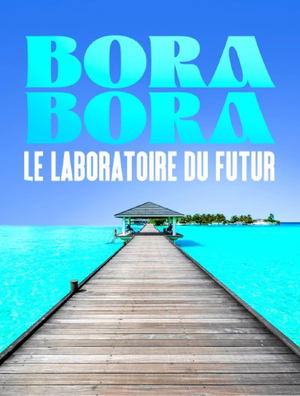
Bora Bora is the most popular destination in French Polynesia, certainly because of its lagoon, considered the most beautiful lagoon in the world. In this context, the islet could have sunk under concrete and pollution, and the reef could have been irreparably impacted. However, thanks to the will of a handful of inhabitants including the mayor of the island, Bora Bora is today a model of sustainable development, with water treatment technologies that are 15 years ahead of France, programs to rebuild corals and protect wildlife, educational actions and the rehabilitation of Polynesian traditions such as “rahui” and the establishment of a monitoring network using new technologies. All of this makes the island a veritable open-air laboratory that shows the way for all tropical coastal environments around the world.
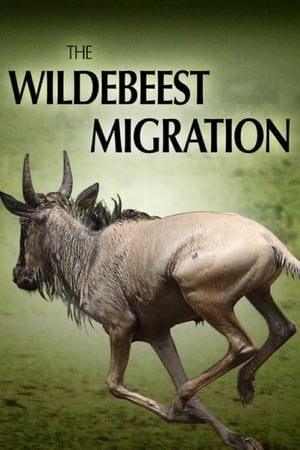
Every year, on the steppes of the Serengeti, the most spectacular migration of animals on our planet: Around two million wildebeest, Burchell's zebra and Thomson's gazelles begin their tour of nearly 2,000 miles across the almost treeless savannah. For the first time, a documentary captures stunning footage in the midst of this demanding journey. The documentary starts at the beginning of the year, when more than two million animals gather in the shadow of the volcanoes on the southern edge of the Serengeti in order to birth their offspring. In just two weeks, the animal herd's population has increased by one third, and after only two days, the calves can already run as fast as the adults The young wildebeest in this phase of their life are the most vulnerable to attacks by lions, cheetahs, leopards or hyenas. The film then follows the survivors of these attacks through the next three months on their incredible journey, a trip so long that 200,000 wildebeest will not reach the end.