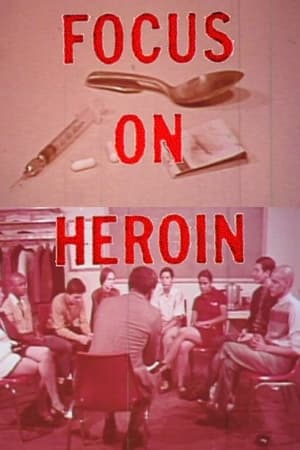
This color propaganda ‘scare’ film is about the horrors of the drug heroin. It seems to be reel 1 and is missing its credits and its other reels. It is made circa the late 1960s in England.
This film points out the risks of being a heroin addict. Explains that addicts cannot be identified solely with one particular socio-economic level and cannot always be detected by appearance. Addicts and ex-addicts describe the first and subsequent drugs they used.
Over the course of one night, a woman drives across LA with her heroin addict brother in search of a detox center, with his two-year-old daughter in tow.
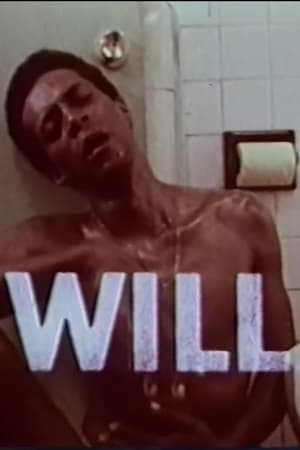
A girls’ basketball coach battles a heroin addiction while mentoring a 12-year-old street kid adopted by Will and his wife.
Farm boy Daryl Cage's parents ship him off to the big city to live with his brother, hoping he will have a better life there. After a baggage mixup at the airport, Daryl finds himself in possession of a drug cache, which a ruthless drug dealer wants back. The dealer murders Daryl's brother and the small town boy ends up all alone in the big city, being pursued by both the drug dealer and the police, who suspect him of the murder.
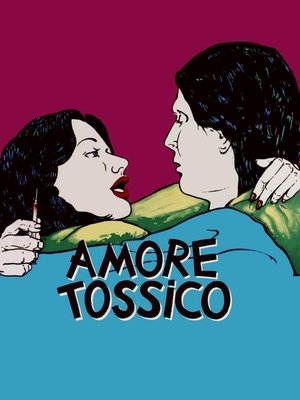
The alienating and repetitive life of a group of heroin junkies in 1980s Rome.
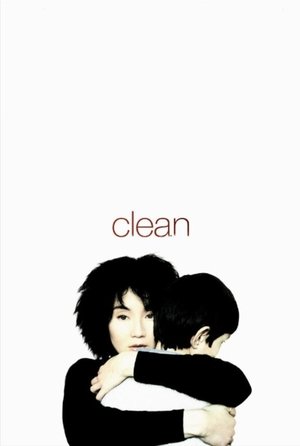
After she ends up in prison and loses custody of her son, a woman struggles to assimilate outside her former life and remain clean long enough to regain custody of her son.
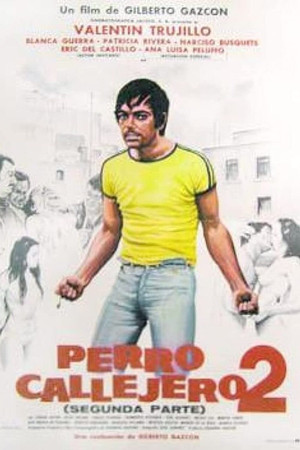
After serving his three-year sentence, Perro, who was only visited by Father Maromas, returns to his old environment. There, Chava recruits him back into drug trafficking.
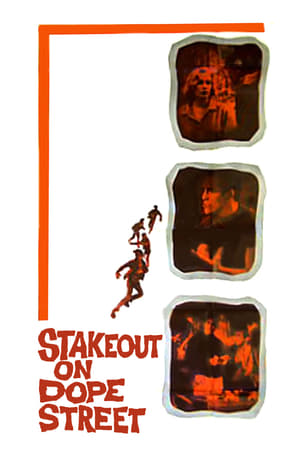
Three teens get into the drug business when they discover two pounds of uncut heroin in a briefcase that was lost during a botched drug bust.
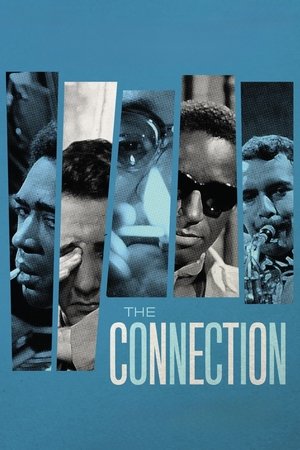
Eight drug addicts are waiting for their connection in a New York apartment while a two-man documentary team films the proceedings. Things go out of control as the men grow increasingly nervous and the cameraman keeps recording.
In the 1980s the breathtaking scenery of the Engadine is the setting of a social tragedy. The local youth rejects the rigid rules of traditional society. Along with juvenile get-togethers, heroin appears in the mountain valley. As more and more die from overdose, society reacts to the crisis by isolating itself and averting its eyes. The film lifts the veil on the stories untold. Can the memories of this bleak past become part of the Engadine’s acknowledged heritage?
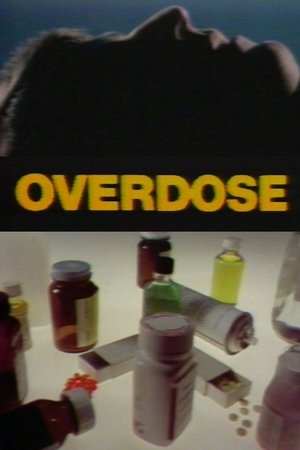
Stresses recognition and treatment of drug abuse emergencies, accurate identification of symptoms, and immediate clinical procedures. Presents scenes of actual cases in the emergency room and adjoining physician's offices of Beth Israel Medical Center in New York City. Viewers observe emergency treatment of patients in the major classes of drugs commonly abused, opiates, depressants, stimulants, and hallucinogens. The film demonstrates to health professionals that successful management of drug overdoses can save most lives and avert additional organic and psychiatric complications.
This program is an overview of best practices to keep a person who has overdosed alive between discovery and hospitalization. Practices include quickly finding or identifying the substance the person on which the person has overdosed and traveling to a hospital or other treatment site immediately. Several simulations of different situations are shown, and the narrator asks the viewer what he or she would do differently. It provides an excellent overview of the basic prehospital approach to an overdosed patient. The initial field management of a patient is covered, accompanied by well-done scenarios illustrating incorrect technique. Although the inclusion of more medical detail would have been beneficial, this is a compelling presentation which is highly recommended for use.
This film presents a series of extemporaneous interviews with teenagers and young adults who have taken narcotics for "kicks," "association," or "curiosity." Residents of the California Rehabilitation Center relate how they were introduced to narcotics, why they wished they had not used drugs or narcotics, and what the future holds for them. Film is shot in Hollywood, Calif.
The purpose of this presentation is to discuss the types of narcotic deaths and drugs encountered by Dr. Milton Helpern in his post as Chief Medical Examiner for New York City and to describe internal and external body changes resulting from narcotism. This objective is achieved with the use of photographs of overdose victims and the equipment found and used by addicts. According to this presentation narcotic addiction which has been a problem for many years has increased markedly within the last twenty years. The use of amphetamines and marijuana is discussed briefly and the equipment used by addicts is described and illustrated. Dr. Helpern then shows photographs of overdose victims and describes the circumstances under which the body was found.
Early "shockumentary", apparently shot in Egypt, which documents the habits of opium addicts. The interiors of drug dens are shown, and at the conclusion the film an addict is shown collapsing on a sand dune; the booming voice of the narrator informs us that the addict has perished. Footage used is from the silent film Dope Fiends.
Documentary on the penetration of drugs in Milan in the 70s. Filomena is only 24 years old and recounts with a lucidity that takes her breath away her journey as a child locked up in boarding school, ran away from home, taken back by her family and treated as a lost woman. She talks about her marriage to a boy who emigrated to Germany, and her inability to adapt to this new situation. She narrates the arrival in Milan, the meeting with Antonio and the one with drugs. A dialogue for two voices traces the ruthless picture of drug addiction, the daily search for the dose and the attempts to get out of it. It is a poignant document, above all for the lucidity, measure, maturity and intelligence of two unforgettable figures.
The film adaptation of Erik Jensen's award-winning biography of Adam Cullen is the story of the biographer and his subject, as it descends into a dependent and abusive relationship.
Documentary on the life of late Mother Love Bone singer Andrew Wood.
Joachim is 25 years old. His charming smile veils the daily battle he fights within himself as he struggles to manage a heroin addiction. He smokes everyday and tries to quit almost every other. He hates the drug and the control it has over him, but it removes his pain. His loneliness. After years locked in a cycle of abuse, Joachim is on the verge of a breakdown. He gets an unexpected call from his ex-girlfriend, Maria. She's been arrested and is worried about their 5-year-old son, Lukas. Joachim hasn't seen Lukas since he was born, and she begs Joachim to take care of Lukas until she's released. Without much of a choice and thinking it will only be for a few hours, Joachim agrees. To his own surprise Joachim wants to keep Lukas. He wants a reason to be the person he thinks he is - a responsible man. A sober man. A father.