Since South and North Korea's liberation in 1945, North Korea, a communist dictatorship that suppresses freedom and oppresses human rights, and South Korea, which has entered the path of economic prosperity and advanced countries based on freedom and democracy, have taken different paths. How did the two countries with the same language, history, and race, become divided into two extreme countries? A work that highlights the sacrifices and struggles of President Syngman Rhee and the first generation of founding members who worked to create and protect today's Republic of Korea over the past 70 years of history.
Golden Globe - Hawaii
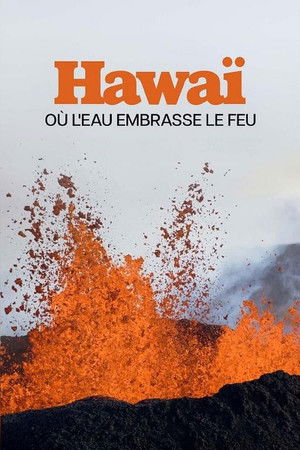
Naturwunder Hawaii, zwischen Feuer und Wasser
Documenting the Kapu Aloha movement, as they take a stand to defend Mauna Kea in the wake of the Thirty Meter Telescope protests.
This film portrays Hawaii as a multifaceted American territory, far more than just a tourist destination with picturesque beaches and palm trees. It describes Hawaii as a group of volcanic islands in the Pacific, serving as a crucial crossroads for shipping and air travel between North America, Asia, and Australia. The film highlights Hawaii's fertile soil, conducive to agriculture, with major crops being sugar cane and pineapples, cultivated historically by a significant Asian workforce. Cities like Honolulu are presented as modern, diverse urban centers blending various cultures, including the native Hawaiian heritage. The film also notes Hawaii's strategic importance, with historical sites like Pearl Harbor, emphasizing its unique combination of cultural richness, economic vitality, and historical significance.
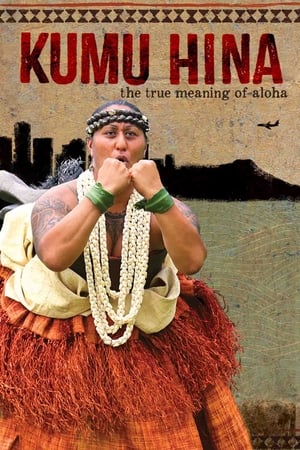
A powerful film about the struggle to maintain Pacific Islander culture and values within the Westernized society of modern day Hawaiʻi. It is told through the lens of an extraordinary Native Hawaiian who is both a proud and confident māhū, or transgender woman, and an honored and respected kumu, or teacher, cultural practitioner, and community leader.
Syngman Rhee, the founding president of the Republic of Korea spent a total of thirty years in Hawaii. The first 25 years occurred before he was elected the founding president and five years were after he resigned from the presidency. What is the significance of 30 years in one’s life span?
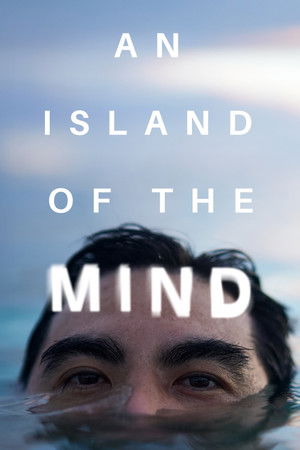
A homeless man with schizophrenia slowly embraces antipsychotic medication under Hawaii's only willing psychiatrist and a court mandate, while a man in recovery offers rare insight into mental illness as he fights to reclaim stability.
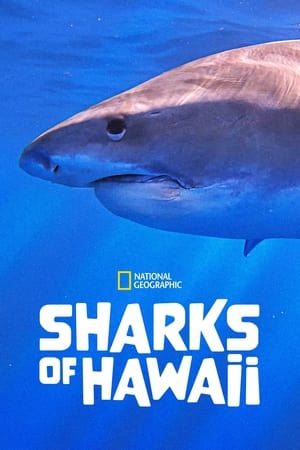
Nearly 40 shark species live in the warm waters of Hawaii's volcanic islands, including white tip reef sharks, Galapagos sharks and tiger sharks.
Produced by the United States Geological Survey and the National Park Service during the 1959-1960 eruption of Kilauea. Narrated footage includes lava fountains and the creation of the Kilauea Iki lava lake.
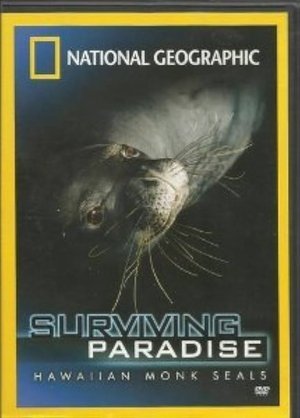
A team of scientist travels to the Northwestern Islands of Hawaii to uncover what threats the Hawaiian Monk Seals have undergone and what causes them to struggle with surviving paradise.
This is the story of the Fire Goddess Pele and the dynamics of her relationship with her sister Hi’iaka. Six years ago, the renowned dance company Halau 'O Kekuhi began the ambitious undertaking of assembling and recreating the legend for modern audiences, translating it to the contemporary stage by combining the traditions of Hawaiian chant and hula with innovative elements of Western theater.
Red Water documents the largest swell (40 feet) to hit Waimea Bay since 1969. Shot on 35mm film, this historic surf documentary captures one of the most powerful big wave events in modern Hawaiian surf history.
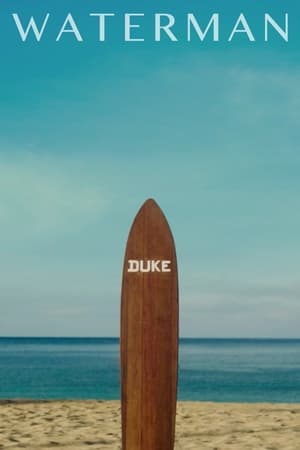
Five-time Olympic medalist and Native Hawaiian Duke Paoa Kahinu Mokoe Hulikohola Kahanamoku shattered records and brought surfing to the world while overcoming a lifetime of personal challenges. Waterman explores his journey and legacy as a legendary swimmer, trailblazer, and the undisputed father of modern-day surfing, following the sport’s first-time inclusion in this year’s Summer Olympics – a fitting tribute to his work promoting the sport around the globe.
Samuel Wilder King, a descendant of Scottish sailors and Hawaiian royalty, served as a distinguished Naval officer in both World Wars before becoming Governor of the Hawaii Territory. This short film delves into King’s fearless leadership—from navigating the high seas during WWI to fighting against the internment of Japanese Americans in Hawaii during WWII—ultimately championing Hawaii's path to statehood as the 50th star on the American flag.
Nihi is a film biography of Titus Kinimaka, one of the last remaining professional big-wave riders of pure Hawaiian descent. As a boy, he won surf contests against those twice his age; by his teens, he was recognized as one of the best surfers to have ever hit the waves. In 1996 at age 41, Titus was named Waterman of the Year by the Hawaiian Lifeguard Association for outstanding rescues as a lifeguard. He has spent over twenty years spreading aloha spirit, traveling the world as an ambassador for surfing and Hawaiian culture
Robert Kongaika runs from his family to join the military and becomes the first Tongan US Air Force Colonel. This is the true story of the island traditions, faith, and family that made him into the father he is today.
As if they were showing their film to a few friends in their home, the Johnsons describe their trip across the world, which begins in the South Pacific islands of Hawaii, Samoa, Australia, the Solomons (where they seek and find cannibals), and New Hebrides. Thence on to Africa via the Indian Ocean, Suez Canal, North Africa, and the Nile River to lion country in Tanganyika. (They are briefly joined in Khartum by George Eastman and Dr. Al Kayser.) Taking a safari in the Congo, the Johnsons see animals and pygmies, and travel back to Uganda, British East Africa, and Kenya.
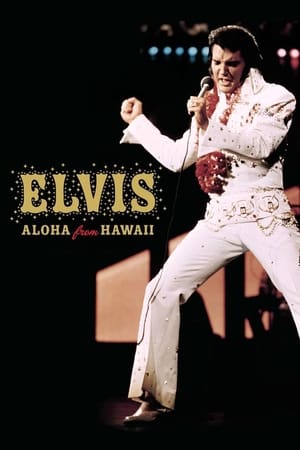
A 1973 concert by Elvis Presley that was broadcast live via satellite on January 14, 1973. The concert took place at the Honolulu International Center in Honolulu and aired in over 40 countries across Asia and Europe. Viewing figures have been estimated at over 1 billion viewers world wide, and the show was the most expensive entertainment special at the time, costing $2.5 million.
Generations of vibrant racing communities have flourished in Hawai'i since the arrival of the first automobiles and motorcycles at the turn of the 20th century. Follow Mark Hanson, Psychology Professor and lifelong island "gearhead," as he explores the history, people and passion of the uniquely gracious speed culture that has been evolving in Hawai‘i for over a century.