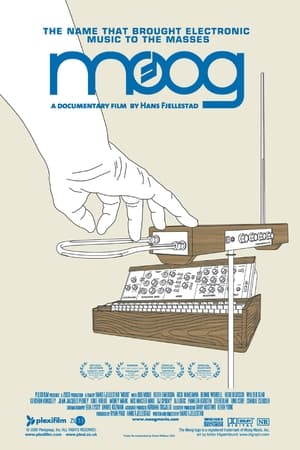
Best known as the inventor of the Moog synthesizer, Robert Moog was an American pioneer of electronic music, and shaped musical culture with some of the most inspiring electronic instruments ever created. This "compelling documentary portrait of a provocative, thoughtful and deeply sympathetic figure" (New York Times) peeks into the inventor's mind and the worldwide phenomenon he fomented.
The story of a unique Georgian musician - Gia Iashvili, who makes music for the sake of creating and remains little-known in his own country.
Inexpensive, expressive, nomadic, the guitar almost merges with the body of its musician to turn into a formidable weapon of protest. Brandished, swung, even burned, she carries the voice of the fight against oppression. From Woody Guthrie to Jimi Hendrix via Bob Dylan, the fascinating story of the musical rebellion is told here through the story of his sword. Blues, punk rock, rock'n'roll,... All genres are in the spotlight to tell the tumultuous epic, intimately linked to the history of American protest, of the most played instrument in the world. A poignant and moving documentary in the testimonies of its icons and most faithful servants: Wayne Kramer (MC5), Keziah Jones, Lee Ranaldo (Sonic Youth), Judy Collins and Clementine Creevy (Cherry Glazerr).
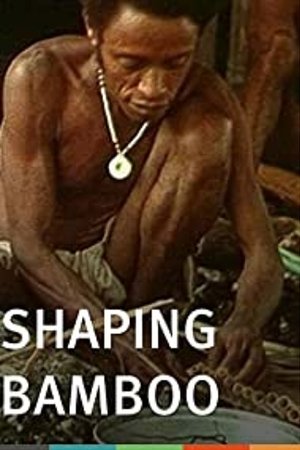
For the 'Are'are people of the Solomon Islands, the most valued music is that of the four types of panpipe ensembles. With the exception of slit drums, all musical instruments are made of bamboo; therefore the general word for instruments and the music performed with them is "bamboo" ('au). This film shows the making of panpipes, from the cutting the bamboo in the forest to the making of the final bindings. The most important part of the work consists in shaping each tube to its necessary length. Most 'Are'are panpipe makers measure the length of old instruments before they shape new tubes. Master musician 'Irisipau, surprisingly, takes the measure using his body, and adjusts the final tuning by ear. For the first time we can see here how the instruments and their artificial equiheptatonic scale-seven equidistant degrees in an octave-are practically tuned.
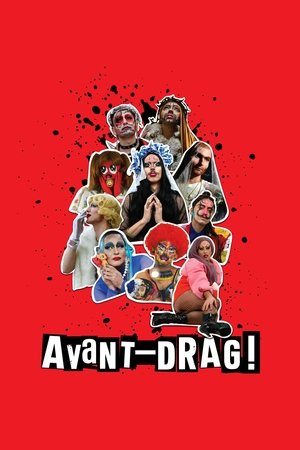
Avant-Drag! paints portraits of ten drag artists of varying gender expressions and sexualities who take to the streets of Athens to query, problematise and (yes, please!) undermine social strictures. Employing wildly imagined personas – like riot housewives and Albanian turbo-folk girls – who perform acts as revolutionary as praising abortion and as charming as drawing childish pictures, these artists call for social justice by taking aim at conservatism, patriarchy, patriotism, racism and sexism.
Linguist-philologist Mark Janse discovers speakers of the Cappadocian language – previously assumed extinct, linguists worldwide are exhilarated at the discovery, but Janse realizes the rediscovered language is doomed to die anyway.
Sapiens, et la musique fut
Two brothers reflect on their chaotic journey to stardom, as part of the legendary punk rock bands The Rezillos & The Revillos. Navigating friendships, fame, and fallouts.
An old, broken morin khurr (horse head fiddle) compels renowned Mongolian singer Urna Chahar Tugchi to take a road journey to Ulan Bator and the steppes of Mongolia.
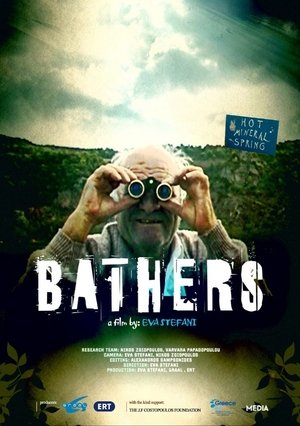
The film follows a summer season in the lives of a group of retired Greek men and women who are regular visitors at various Greek spa towns. Life around Greek spa towns moves slowly with rhythms that are reminiscent of times past. Within this listless atmosphere, people feel free to do and say things they would never be allowed in their respective normal social circles. A sense of freedom and lightness is in the air. Instead of being amongst elderly people, one often gets the feeling of being around a group of teenagers in a summer camp. This joyful atmosphere often alternates with reflections on the past or on death.
The story of the musical friendship between veteran musician/filmmaker André Luiz Oliveira and Lorenzo Barreto, a boy with autism, over 15 years.
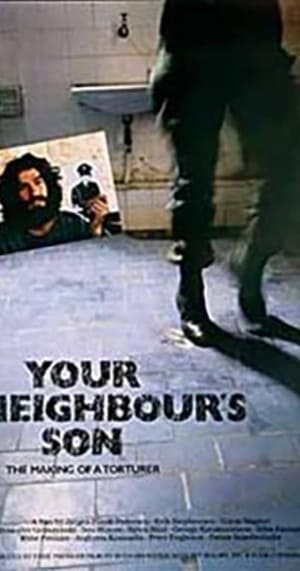
The film documents the conversion of young Greek Military Police (ESA) recruits into torturers and touches on the subject of the power of the institution to compel otherwise moral human beings to torture. The documentary examines the processes and methods of the military junta that ruled Greece from 1967 to 1974.
A documentary about the traditional music of the 'Are'are people of the Solomon Islands.
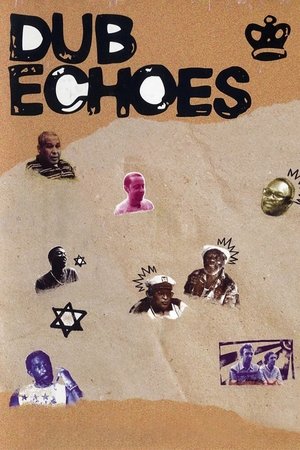
“Dub Echoes” is a documentary that traces the origins of the Jamaican dub music and it’s influence on the development of hip hop and electronic music.The film shows how the Jamaican invention called dub ended up influencing much of the music we hear today, from electronic music to hip-hop, transforming the studio in a musical instrument and giving way to all of sonic experiments.
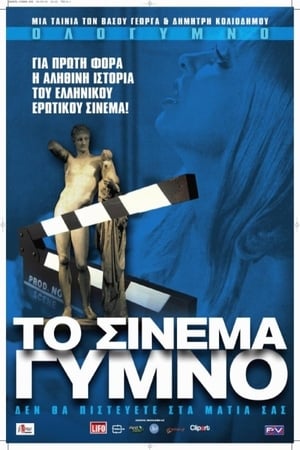
In the early 70s Greek cinema entered in a period of crisis. One of its aspects was said "crisis of issues" and one of the exits heard in the name "erotic cinema". The genre was already acquaintance from the abundance of foreigner films, that was distributed in the grindhouses under the "adults only" motto and its Greek version had a lot of variants.
This feature documentary studies the different faces of Montreal’s Greek community in 1969. Instead of giving voice to the businessmen and well-integrated few, the film highlights the cultural and economic problems encountered by new immigrants and their families.
If a tree falls dead, does it cease to be alive? Like a deep breath in the forest, Siob explores the different textures of wood, from its life in nature to its rebirth as a musical instrument. And what if, in human hands, wood found its voice again?
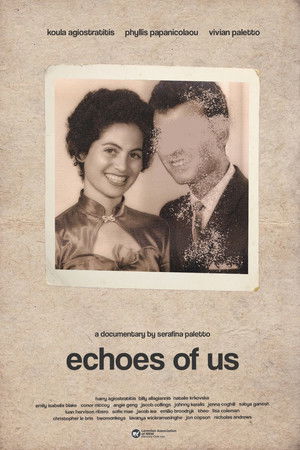
87-year-old Greek immigrant Koula Agiostratitis recounts how her husband Theo’s dementia diagnosis affected their six-decade-long marriage. Through Koula and her daughters, Vivian and Phyllis, we witness how their once music-filled home is transformed by what the family describes as “the longest goodbye.” This intimate portrait of love, caregiving and cultural duty reflects on how memory loss reverberates beyond the individual to reshape the fabric of family and culture.
A raucous snapshot that beautifully captures a fading culture of mischievous limericks set to traditional music. For the people of Croatia's rural Istria, raunchy humor and expressive dialect are an affirmation of their cultural traditions, along with a serving of home-grown food, wine and an abundance of joyous laughter.
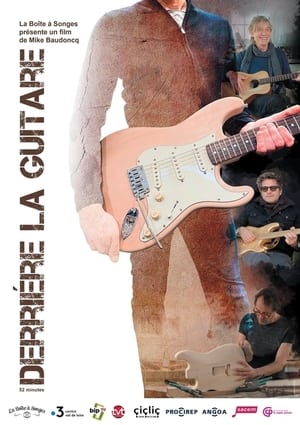
Sylvain Coppin defines himself as an artists' nanny. For example, he has been supporting Jean-Louis Aubert and Mathieu Chedid for 15 years. So on stage with them or in his workshop in Chartres, Sylvain is always there, hidden behind the guitar.