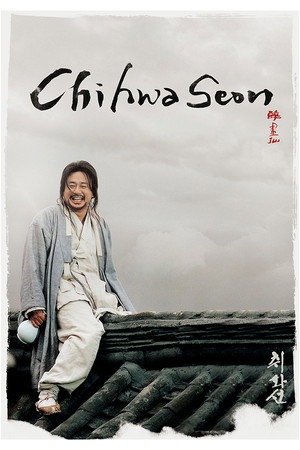
Jang Seung-eop, also known as "Chihwaseon," drinks and paints all day. Through Mae-hyang, he learns the meaning of fate, sees art beyond even the smallest things, and sets out for the path he seeks.
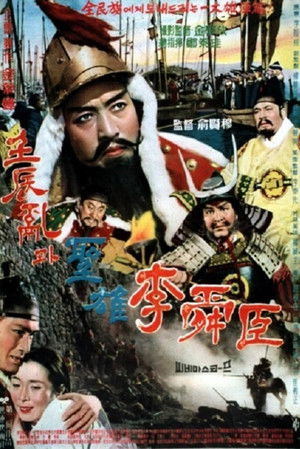
Movie despicting the life and accomplishments of Korean Admiral Yi Sun Shin.
Late 18th-century Joseon dynasty. The King is beleaguered and surrounded by traitors of the ruling elite. They plan to assassinate and replace him with a puppet. But the King has some aces up his sleeve that may help him defeat them all.
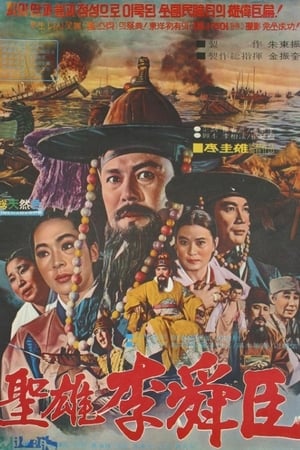
A famous general who defeated Japanese invaders with the world's first iron ship, 'Turtle battleship' during Chosun dynasty, was intrigued against by many villainous retainers. Even when he was reduced to a much lower rank, he served in the war worrying about the nation's wellbeing. This film depicts General Lee Sun-Shin who is probably the most famous general in Korean history, based on his 'Wartime Diary.'
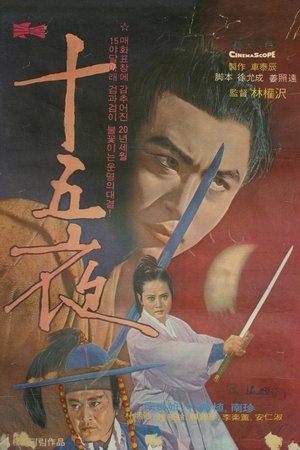
The Night of Full Moon
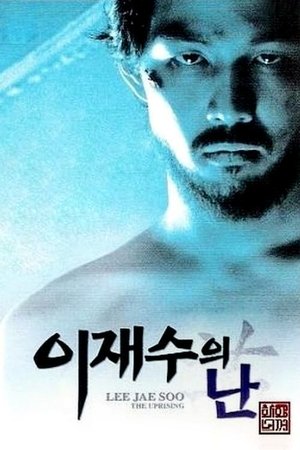
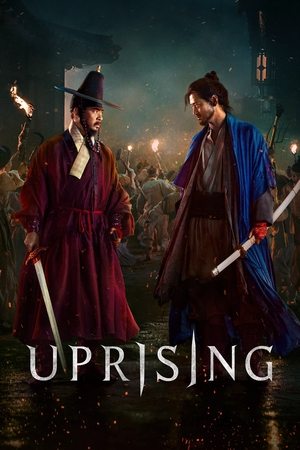
In the late 19th century Catholicism was gaining a foothold on Jeju island, much to the horror of the Confucian community, who were seeing their influence diminishing as well as getting increased taxes from Catholic-friendly government officers. The conflict became a religious war that resulted in a rebel Confucian army massacring hundreds of Christians in little more than a matter of days. The Uprising details the events leading up to the assault, focusing on the story of Yi Jae-su, the young man destined to become the leader of the rebel army.
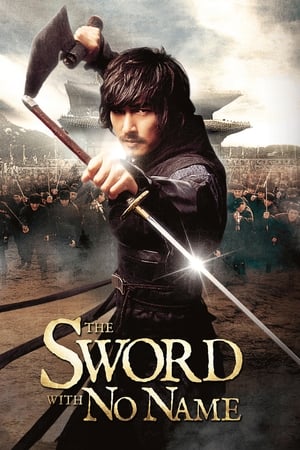
Mu Myeong is a Joseon dynasty headhunter who meets and falls in love with lady Ja Yeong who will become the future Empress Myseongseong. A few years later, Ja Yeong enters the royal palace to marry King Gojong. Mu Myeong still having feelings for Ja Yeong and in an attempt to get closer to her becomes her personal body guard.
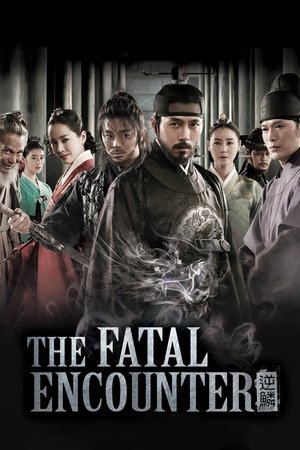
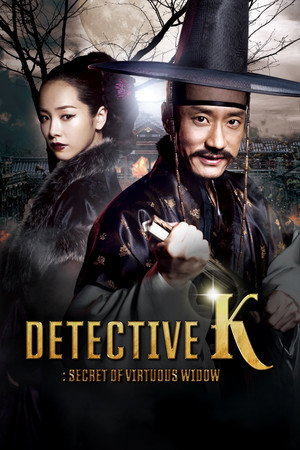
In 1782, King Jeong-jo of Joseon asks detective K to investigate a series of murders related to a case of corruption within the government.
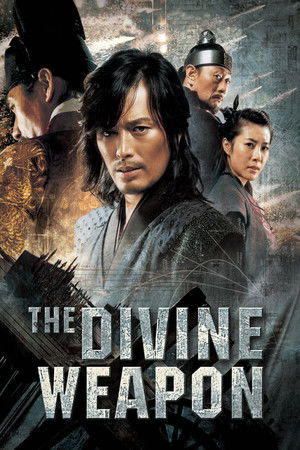
During the reign of King Sejong in the 15th century, the Joseon Dynasty was the embodiment of the perfect state. To the Ming China, the aspiring imperial power, Joseon presented an obstacle to territorial expansion. To protect themselves from war, King Sejong develops a secret weapon to defend their territory and take back their land and supremacy.
The film chases a historical event when King Jungjo tried to replace hispersonal revenge on those who killed his father Sado, the Crown Prince, with agreat cause to build up a nation for its people, which eventually leads to remind the lessons of history that repeat permanently like a Mobius strip. The film seems to aim to introduce the uniqueness of Uigwe with a historical yet futuristic value as a World Heritage on the surface, but in fact, it pursues torestore audio-visually the immaterial thing that remains only as a record under the name of feast. Inside the device receiving images, there might have been desires to reproduce the world or to secularize the invisible from the beginning. Hungry TV will awaken the potential to visualize all the intangible via digitaltechnology. So to speak, there is digital technology, and it is followed by aquestion: How far the digital technology of 21st century would lead this deviceto?
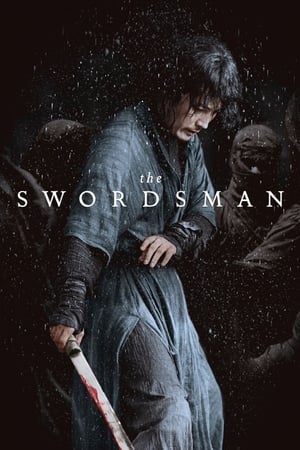
After being blinded in a coup against the king, Joseon's greatest swordsman goes into hiding, far removed from his city's anguish. But when traffickers kidnap his daughter, he has no choice but to unsheathe his sword once more.
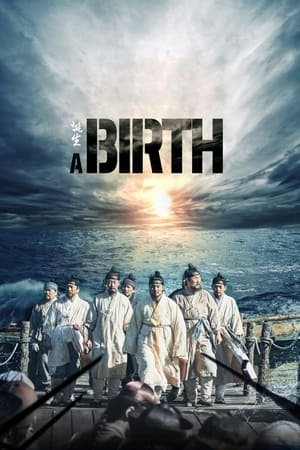
The great adventures of Kim Dae-gun, a young man dreaming of a New Joseon. He is full of curiosity and takes action rather than words. He willingly accepts the fate of becoming Joseon’s first priest and sets out to study in Macau with his seminary classmates. And finally opens the way of the modern Joseon Dynasty by traversing the sea and land!
In the Joseon Dynasty, two friends who grew up together — one the master and one the servant — reunite post-war as enemies on opposing sides.
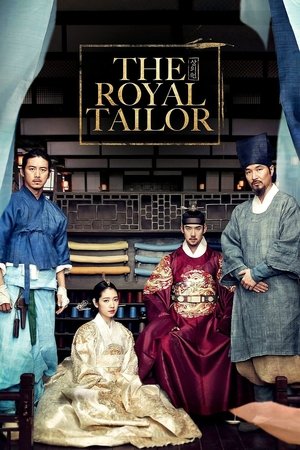
Lee Gong-jin, a young tailor, helps the Queen with her dress and both fall in love with each other. However, his success catches the ire of Jo Dol-seok, the royal tailor, who vows retribution.
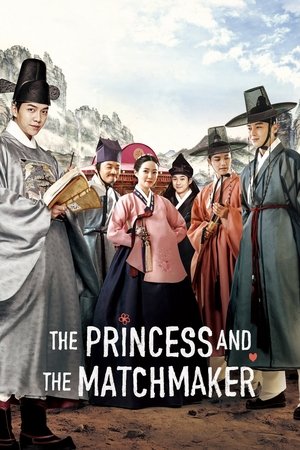
Refusing to allow fate to decide whom she must marry, Princess Songhwa decides to find her own husband. She seeks the help of a man to interpret her marital harmony with four men she wishes to marry.
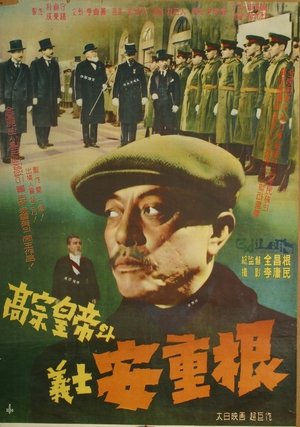
At the end of the Joseon Dynasty, shortly after the Eulsa Treaty has been forced to be concluded by Ito Hirobumi and the pro-Japanese courtiers, Japan pressures King Gojong to step down from the throne. Meanwhile, An Jung-geun, who is cultivating men of ability at Samheung school, is deeply impressed by a speech made by An Chang-ho, and heads for Russia to volunteer the army fighting for independence of the country. As both a lieutenant general of the Korean militia and a commander of the Korean expeditionary force in Manchuria, he carries on the independence movement in defiance of Japanese coercion.
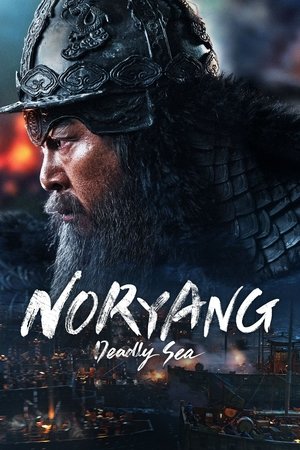
The Imjin War reaches its seventh year in December of 1598. Admiral Yi Sun-shin learns that the Wa invaders in Joseon are preparing for a swift withdrawal following the deathbed orders of their leader Toyotomi Hideyoshi. Determined to destroy the enemy once and for all, Admiral Yi leads an allied fleet of Joseon and Ming ships to mount a blockade and annihilate the Wa army. However, once Ming commander Chen Lin is bribed into lifting the blockade, Wa lord Shimazu Yoshihiro and his Satsuma army sail to the Wa army's rescue at Noryang Strait.
Iljimae's parents were killed due to a conspiracy when he was young. Many years later he became a chivalrous robber, robbing corrupt officials and helping the poor. He eventually manages in taking revenge for his parents' deaths. But the police start to chase him, and he hides himself at a gisaeng's house. The gisaeng was his ex-fiancee. She also lost her parents to a conspiracy. She begs Iljimae to stay with her, but he leaves to do what he has to.
A triangular relationship between Eo Woo-dong, her husband Lee Dong, and fantasy character Moo-gong, highlights on the first half of the Joseon Dynasty and portrays the contradicted life of the high class people, criticizing the modern day Korean society.
When King Cheol-jang dies, the throne passes to his son King Ko-jang but, because he is considered to be too inexperienced, his ambitious uncle rules as regent. The rightful king's wife, the politically brilliant Queen Min, refuses to accept this situation and brings about the uncle's exile in order to secure the throne.