Tanjiro and Nezuko have been apprehended by the Demon Slayer Hashira, a group of extremely skilled swordfighters. Tanjiro undergoes trial for violating the Demon Slayer code, specifically smuggling Nezuko, a Demon, onto Mt. Natagumo. A recap of Kimetsu no Yaiba episodes 22–26, with new footage and special end credits.
Pre-war Asakusa was a riotous district of cabarets, dance-halls and brothels - a striking backdrop for Shimazu's story of innocence and experience. Pretty, young Reiko is the new dancer in an infamous theatre troupe, and her fellow performers try to protect her virtue in a land of vice. Meanwhile, an ageing actor wants to be a hero off stage as well as on, and the troupe matriarch Marie has to keep them all together.
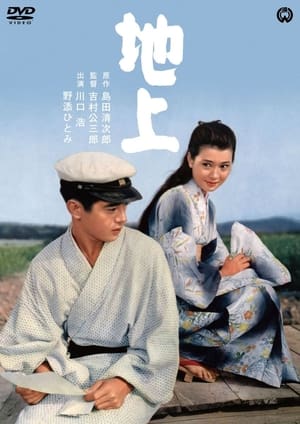
Ichiro’s family used to be a large landowner, but now he is living in poverty with his mother. His mother works hard to get her son through school. Under such circumstances, Ichiro meets Wakako, the daughter of a wealthy man, and they fall in love with each other, but they are opposed by those around them because of their different social status.
The tragic, true story about Hachikō, an Akita dog who was loyal to his master, Professor Ueno, even after Ueno's death.
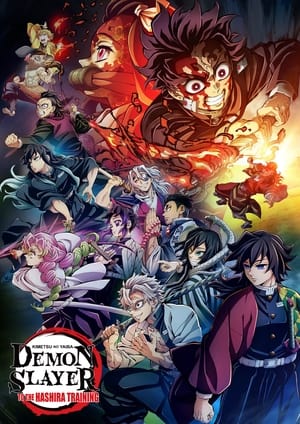
Tanjiro undergoes rigorous training with the Stone Hashira, Himejima, in his quest to become a Hashira. Meanwhile, Muzan continues to search for Nezuko and Ubuyashiki. A recap of Kimetsu no Yaiba episodes 55–56, with new footage and special end credits.
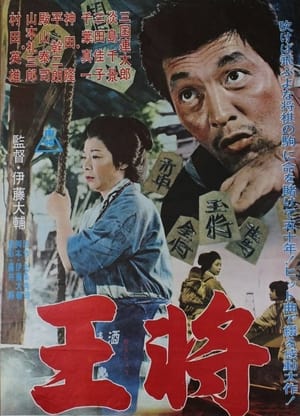
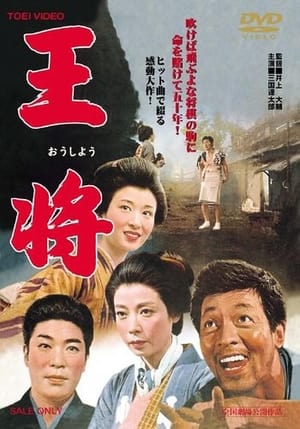
Shogi, a Japanese form of chess, is a game that requires skill and determination. When poor sandal-maker Sakata decides to pursue his dream of becoming the Shogi Grand Master Champion, everything is at stake – including his family. What will it cost for Sakata to follow his passion?
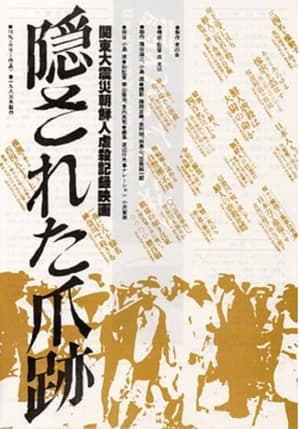
In the summer of 1921 (Taisho 10), a major labour dispute broke out at the Kawasaki-Mitsubishi shipyard in Kobe. The Kawasaki-Mitsubishi dispute is said to be the largest labour dispute in the pre-war period, with an unprecedented scale of 30,000 participants. The dispute, which had been fiercely fought for more than 40 days under the scorching sun, ended with the declaration of defeat by the workers. This live-action film, only nine minutes long and silent, provides a glimpse into the grand demonstration on July 10th, when the dispute was at its peak. Filming was done by the Nikkatsu film crew at the request of the Ohara Institute for Social Research.
During the Taisho era of 1918, 17-year-old Benio Hanamura thrives on bucking tradition. As a boisterous and quarrelsome tomboy, Miss Hanamura leads a life of kendo and tree-climbing adventure with her best friends Tamaki and Ranmaru. Benio determines to find love on her own, though her family has other plans. Benio will encounter tests of love, independence, and friendship during wartime.
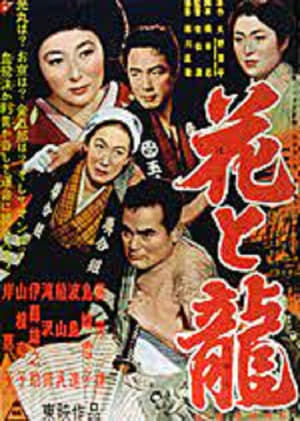
Japanese crime film
Tanjiro Kamado returns home to find his family slaughtered and the lone survivor, his sister Nezuko, turned into a Demon. To his surprise, however, Nezuko still shows signs of human emotion and thought. Thus begins Tanjiro's journey to seek out the Demon who killed their family and turn his sister human again. A recap of Kimetsu no Yaiba episodes 1–5, with new footage and special end credits.
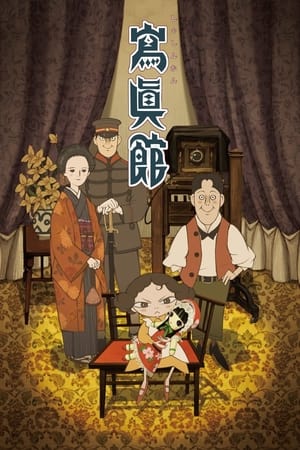
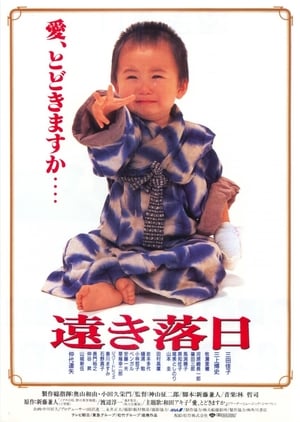
Late 19th century Japan: a studio photographer who always captures his clients’ best smile. One day he tries to coax a smile out of a little girl, but… A nostalgic tale of a relationship that transcends wars and disasters.
Tanjiro Kamado, joined with Inosuke Hashibira, a boy raised by boars who wears a boar's head, and Zenitsu Agatsuma, a scared boy who reveals his true power when he sleeps, boards the Infinity Train on a new mission with the Fire Hashira, Kyojuro Rengoku, to defeat a demon who has been tormenting the people and killing the demon slayers who oppose it!
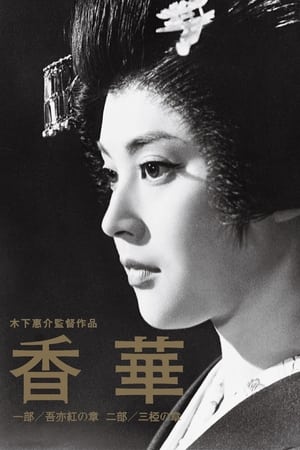
After her mother runs away from home, Tomoko is raised to be a geisha. One day Tomoko meets her mother in a red-light district in Tokyo and her life deeply gets in trouble.
Based on the first novel, Spring Snow, of Mishima Yukio's Sea of Fertility tetralogy, it follows the troubled and illicit affair between two youngsters amongst the aristocracy and rich of early twentieth century Japan.
Based on the life and career of novelist Fumiko Hayashi, she bitterly struggles for literary recognition in the first half of the 20th-century – her affairs with feckless men, the jobs she took to survive (peddler, waitress, bar maid), and her arduous, often humiliating attempts to get published in a male-dominated culture.
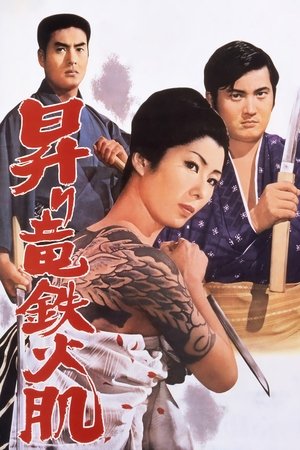
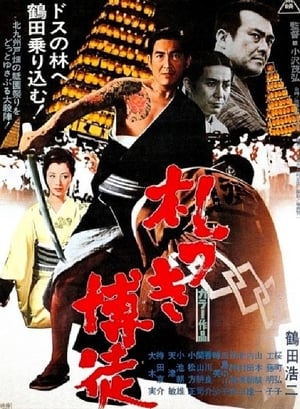
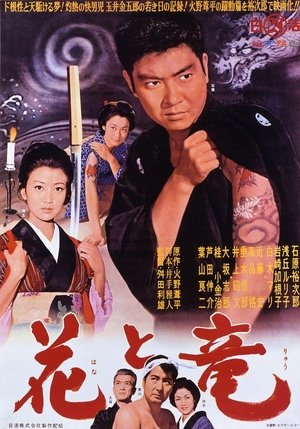
A young yakuza in love with the girl who's to marry his clan oyabun, kidnaps the girl before fleeing with her. In Tokyo, he hides under the identity of a worker while the young woman becomes a waitress in a restaurant.
A marquis' mistress becomes pregnant with fraternal twins. He keeps the boy, but sends his bodyguard to dispose of the mother and the girl. Years later…
When a lone traveller stumbles upon a remote, drought-stricken village, he finds himself engulfed in a whirlpool of myth, mystery, and magic: in a nearby pond reside spirits who hold the fate of the town’s inhabitants, including lovers Akira and Yuri, in their hands.
Set in 1926 when Japanese tradition was much stronger, this drama looks at the inner workings of a small family, especially the relationship between a sister and brother.
In August, 1918, Matsuura Ito lives in a coastal village of Toyama with her husband and three children. During the summer, there wasn't much fish to catch, so her husband has been far away from home to catch fish. To support herself and her children, Ito carries goods from ships like the other women in the village. Meanwhile, the residents encounter rising prices for rice. The women are unable to feed their family due to the high prices of rice. The women ask a nearby rice store to sell rice at lower prices, but it fails. The price of rice continues to rise daily. Due to an incident, Ito and the other village women step up to the plate.