An explosion in one of the largest chemical plants in Europe, the Petrochemical complex in Tarragona, triggers the labour struggle of a group of workers who demand what is fair for everyone.
In 1916, while France was bogged down in trench wars, a young engineer named Marcel Bloch was inventing a revolutionary propeller, the Eclair propeller. It would prove very effective in air combat. Today, Dassault Aviation, named after the moniker its founder took on after the war, is among the jewels of the worldwide aeronautics industry. From astonishing growth to unexpected crises, the Dassault group's destiny is closely linked to the history of France and the saga of modern aviation. As it marks its first century of existence, the company continues to fly in civil and military aviation, still following the path of its founder's visionary spirit, Marcel Dassault.
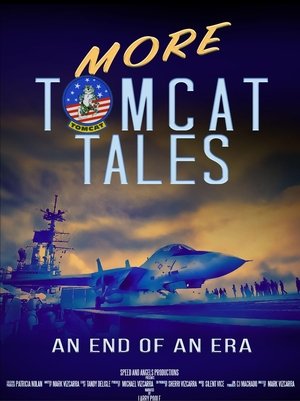
This much anticipated sequel to the 2020 hit film, TOMCAT TALES continues the story and legacy of the one fighter Hollywood loves to feature in their blockbuster movies. MORE TOMCAT TALES showcases phenomenal F-14 footage and iconic cast of officers as they discuss their extraordinary experiences in the legendary Tomcat.
An odyssey of a biplane once owned by John Denver.
On December 7, 1926, the pilot and photographer Walter Mittelholzer set off on an expedition that took him 77 days in a Dornier Merkur seaplane to Cape Town in South Africa, where he landed on February 21.
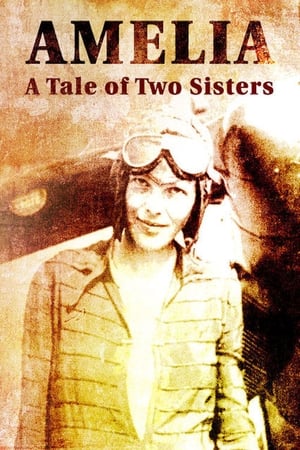
Eight decades after her disappearance, Amelia Earhart's incredible accomplishmenys are still celebrated, thanks in large part to her sister Muriel.
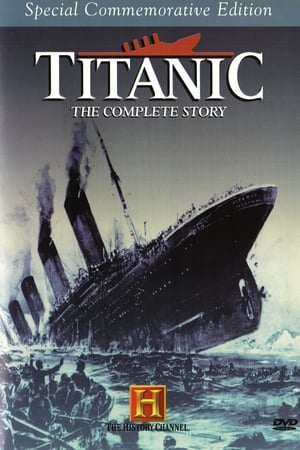
The "unsinkable" Titanic was a dream come true: four city blocks long and a passenger list worth 250 million dollars. But on her maiden voyage in April 1912, that dream became a nightmare when the giant ship struck an iceberg and sunk in the cold North Atlantic. More than 1,500 lives were lost in one of the greatest disasters of the 20th century. Now, using newsreels, stills, diaries, and exclusive interviews with survivors, Titanic: The Complete Story recounts the sensational history of the premier liner. In Part I: Death of a Dream, the largest ship ever built is christened in Ireland before a cheering crowd of 100,000. Witness the disaster this trek becomes as numerous iceberg warnings go unheeded and the ship sinks in the icy North Atlantic. In Part II: The Legend Lives On, over-packed lifeboats edge away from the crippled liner as a futile SOS signals flare into the night--leaving 1,500 passengers to a watery grave.
A film about the education of young aviators, which uses the natural interest of the youth in aviation and leads them through modeling circles and motorless flying to flying powered planes.
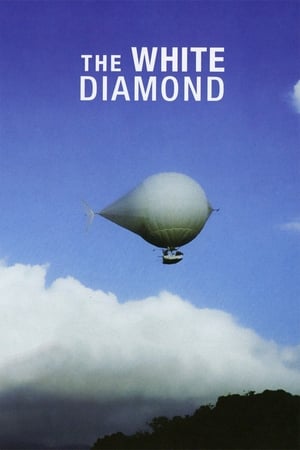
This 2004 documentary by Werner Herzog diaries the struggle of a passionate English inventor to design and test a unique airship during its maiden flight above the jungle canopy.
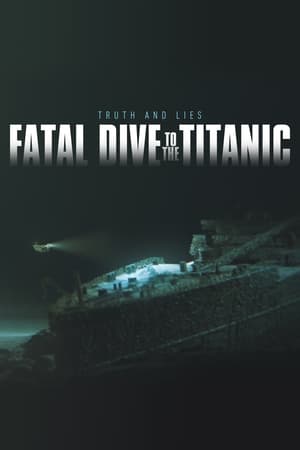
How Stockton Rush's deadly dive to the fabled Titanic wreckage in the Titan submersible became a cautionary tale about the risks of innovation.
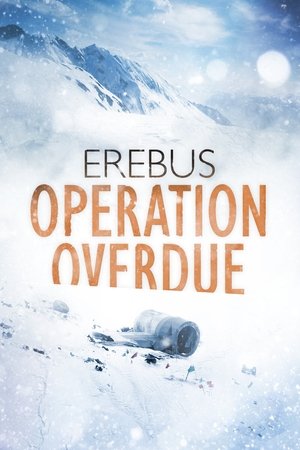
On 28 November 1979, an Air New Zealand jet with 257 passengers went missing during a sightseeing tour over Antarctica. Within hours 11 ordinary police officers were called to duty to face the formidable Mount Erebus. As the police recovered the victims, an investigation team tried to uncover the mystery of how a jet could fly into a mountain in broad daylight. Did the airline have a secret it wanted to bury? This film tells the story of four New Zealand police officers who went to Antarctica as part of the police operation to recover the victims of the crash. Set in the beautiful yet hostile environment of Antarctica, this is the emotional and compelling true story of an extraordinary police operation.
Documentary describing events leading up to the February 1996 shoot down by Cuban Air Force Migs of 2 U.S. registered Cessna 337 aircraft operated by the Cuban exile organization Brothers To The Rescue based in Miami, USA.
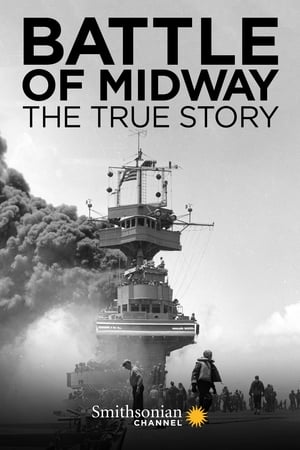
It's June 1942 and the world's fate is about to be decided by a handful of pilots and their untested aircraft. Experience an inside look at the Battle of Midway, captured through rarely seen battle footage and firsthand accounts from its hero dive-bombing pilot, "Dusty" Kleiss. This is an hour-by-hour recount of one of the most pivotal conflicts of the 20th century. Take a closer look at how this desperately needed victory came about through the design of U.S. airplanes, the skill of the pilots, the element of surprise, and a stroke of luck.
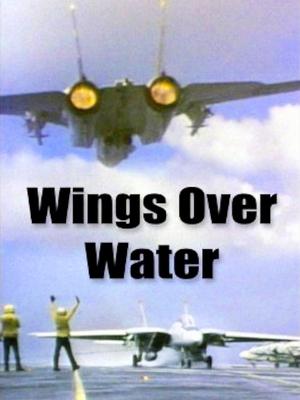
Wings Over Water tells the fascinating story of naval aviation's critical role in making the U.S. a world power. Film highlights include archival footage of some of the most terrifying and intense airspace battles fought and the intriguing interviews of the veterans who took part in them. This is the story of naval aviation from its conception to the important role it played in battles fought, won, and lost, all the while examining American foreign policy, foreign relations, and long-simmering international conflict. An evocative, powerful, and informative documentary, Wings Over Water is the story behind the story: how and why America developed maritime aviation technology, what it meant to our past, and what it means to our future.
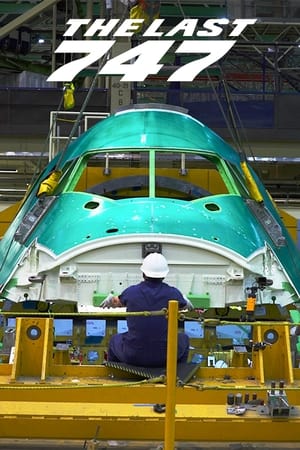
The iconic design of the Boeing 747 has endured for over 5 decades, but the end of production is looming. In this documentary special we follow the build of this last aircraft, whilst exploring how the 747 truly changed the world and influenced our lives in ways we never even realised.
Neil Oliver describes the worst ever railway accident in the UK, which happened a hundred years ago on 22 May 1915, in which three trains collided at Quintinshill near Gretna Green. One of the trains was a troop train taking soldiers to fight in World War I at the Battle of Gallipoli: many of the dead were in this train which caught fire due to escaped gas from the archaic gas lighting in the carriages. The cause of the crash was attributed to a catastrophic signalman's error, but Neil examines whether there were other contributory factors and whether there was a cover-up to prevent investigation of them, making convenient scapegoats of the signalmen.
How the Soviet Union was able to copy the Boeing B-29 Superfortress bomber, and the influence of the resulting Tupolev TU-4 on the Cold War.
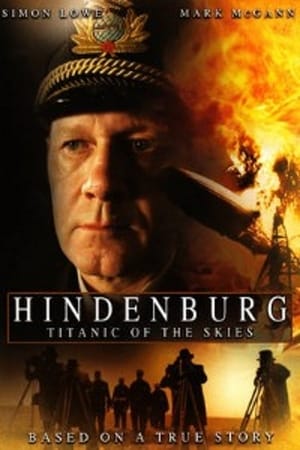
The film explores the background and build-up to this final flight to disaster. Using dramatic reconstruction, archive footage and exclusive interviews with leading historians and engineering experts, the special delves into the political and scientific events that led up to the catastrophe.
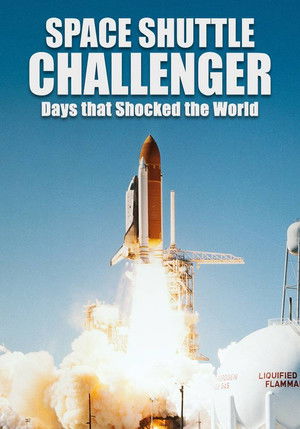
Tragedy struck when the Space Shuttle Challenger disintegrated just 73 seconds into flight. Hours earlier, engineers argued to cancel the launch, amid fears of such a tragedy – so why did it go ahead?
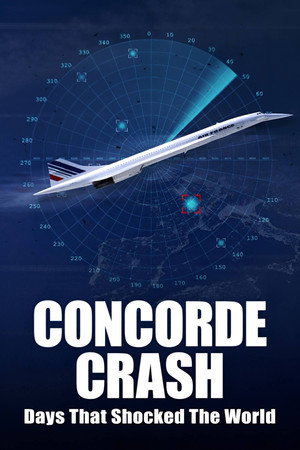
Concorde was an icon of the skies, but on 25 July 2000, Air France Flight 4590 left Paris for New York and caught fire during take-off before crashing to the ground just over a minute later, killing everyone on board. The tragedy brought an end to the dream of supersonic passenger flight. But what caused the disaster? Investigators, survivors’ loved ones and those who examined the wreckage recall the tragedy and describe how the evidence led to a shockingly simple conclusion about what went wrong.