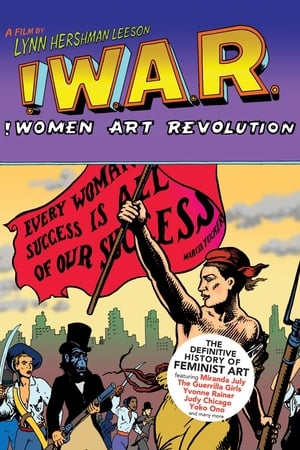
Through intimate interviews, provocative art, and rare, historical film and video footage, this feature documentary reveals how art addressing political consequences of discrimination and violence, the Feminist Art Revolution radically transformed the art and culture of our times.
Por ser mujer
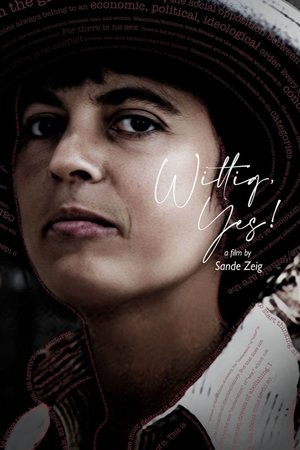
Wittig Yes! introduces Wittig’s political, theoretical, and literary ideas through the creative collaborations with her partner Sande Zeig and a new generation of international academics and writers who articulate the foundations of her conceptual revolution. Zeig interweaves excerpts of work they developed over the years through archival film, photographs, personal notes, as well as theatrical readings. We move with them from France, to Greece, California, and Arizona. The three decades of public and private archival materials unveil Monique Wittig not only as a revolutionary writer, thinker, and activist but also as a multifaceted individual with a profound compassion for others, a deep love of nature, and an exceptional sense of humor. She leaves a legacy that continues to have an impact on our current ideas of gender and political thought.
When Susan Rennie retired from academia, she returned to her first love – photography. With humor and wit, Rennie’s photographic interventions offer a feminist critique of the conventional canon of art history, and an unabashed embrace of her elder, queer identity. The results are juicy, eye-opening, and often hilarious.
Convivencia
Ele Não
York University alumni Mandi Gray is forced to grapple with a university administration, legal system and police force unwilling to take seriously her report of rape by a fellow PhD student.
A startling expose of rape crimes on US campuses, their institutional cover-ups, and the devastating toll they take on students and their families. The film follows the lives of several undergraduate assault survivors as they attempt to pursue—despite incredible push back, harassment and traumatic aftermath—both their education and justice.
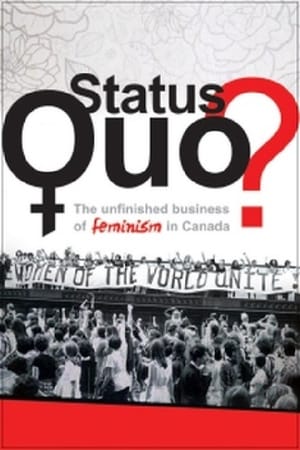
Juxtaposing scenes from the 1967 Royal Commission on the Status of Women with the 2nd Pan-Canadian Young Feminist Gathering in 2011 in Winnipeg, organized by the rebELLEs movement, the film explores the progress made on concerns raised 45 years ago: universal childcare, violence against women, and abortion access.
Told through the eyes of an Australian news reporter, Eammon Ashton-Atkinson, who moved to the UK to escape depression, the documentary, follows 3 characters on their journey to overcome their struggles as the club competes against 60 other gay clubs in the Bingham Cup in Amsterdam – the World Cup of gay rugby.
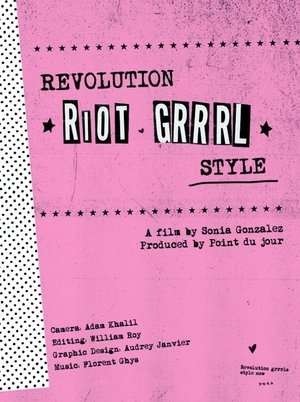
Today, we see a new style of feminism springing up everywhere - young, provocative and radical. To get their message across, these women have decided to rely on rock music! While the Pussy Riot shock Russia and fascinate the West, the concerts of Peaches or Grimes are sold out, while artists such as Kathleen Hanna make their comeback to remind us that it all began in 1990 in some backwater of the United States. The RIOT GRRRLS revolutionized rock and inspired entire generations of young artists around the world. This film will explore today s feminist scene while revisiting the little known history of this revolution that shook the early 90s.
In this video series an individual confronts fears and, through the process of confessing directly to the camera, transcends trauma. It is also about agin, longing, the delusions and misconceptions we are encumbered with as we mature towards self-awareness, and the masks we assume to deny or hide understanding. The tapes rupture, fracture, and use digital effects to mirror the psychological changes of the protagonist.
Unwittingly (and politically), this film ends up being self-reflective. The French filmmaker Sylvie Ballyot was shooting a feminist documentary in Yemen when her tapes were requisitioned by the authorities. Adrift in unknown territory with the only help of a translator, Ballyot carried on, shooting images of herself in public spaces –the only woman in a crowd of men. Her reactions in a culture she is not familiar with get combined with interviews with students who talk about love, family, and sexuality.
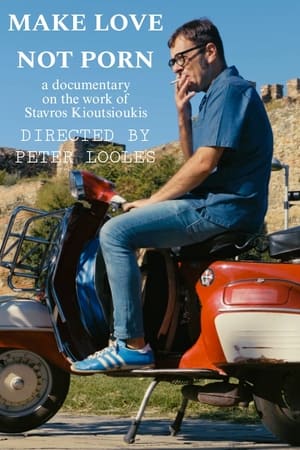
Against the stereotypes of the “ideal” woman and the symbols of Pornography, the women in the works of Greek comic artist Stavros Kioutsioukis preserve their personality: they are the girls next door who try and get their rights in Happiness and Love.
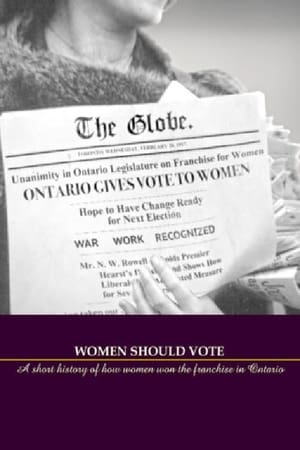
The documentary follows the activism of prominent suffragists such as Emily Stowe, as they struggled for an equal say in their own future. These women formed associations, petitioned the Ontario Legislature, wrote essays, and held satirical events to achieve their goals of equal rights for women. It is a celebration of the 100th anniversary of women’s suffrage in Ontario.
A young sociology student has an unintended pregnancy and is subjected to the terrible humiliation of an incompetent doctor. The girl falls ill from the poorly performed abortion and is taken by a friend to the General Hospital. Film that reports clandestine abortion in Mexico, with interviews with women who have had abortions in that hospital and shocking maternal death statistics from procedures carried out under unsafe conditions.
Gandhi said: 'Be the change you wish to see in the world.' In this experiential open forum shot at a fringe theater festival, Tasha Diamant, a mother, artist, and educator, models human vulnerability by appearing naked and unscripted. Diamant has bravely chosen to 'be' or embody the humanity we all share: physicality, fragility, mortality. The goal: authenticity, compassion, peace. Engaged audiences connect and participate.
Performance artist Tasha Diamant is the first person in the world to stand naked on the street with the Extinction Symbol, which she started in 2012. This mini-doc was shot in 2019 in Montreal. Her work confronts privilege, capitalism, state oppression, obliviousness, whiteness, to name a few. Ask yourself: why 10 cops?
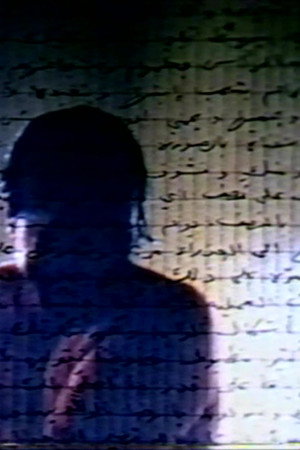
In this video, the artist tries to overcome the effects of distance, and reflects on geography represented in exile due to war, and on the psychological distance represented in each one’s approach to her womanhood. The video beautifully weaves personal images and audio recordings of a very intimate nature, binding the personal with the political. Reading aloud from letters sent by her mother in Beirut, Hatoum creates a visual montage reflecting her feelings of separation and isolation from her Palestinian family. The personal and political are inextricably bound in a narrative that explores personal and family identity against a backdrop of traumatic social rupture, exile and displacement.
A convicted felon builds a feminist movement from behind bars at an all-male prison in Soledad, California.