A day-to-day record of the construction of the Confederation Bridge linking Prince Edward Island to the mainland, Abegweit reveals some of the innovations that made this mammoth project one of the most impressive engineering feats in Canadian history.
Five Japanese carpenters came to Boston that summer to reconstruct a Kyoto silkweaver's 150 year old townhouse that had been packed in crates and shipped to Boston Children's Museum. This first-hand observation of traditional tools and woodworking techniques chronicles the assembly process. In the progress of construction the contractor performed three Shinto housebuilding ceremonies.
Les templiers, la démesure des Batisseurs
The Hilton Hotel rises from the ashes, surrounded by derelict houses and bomb damaged streets.
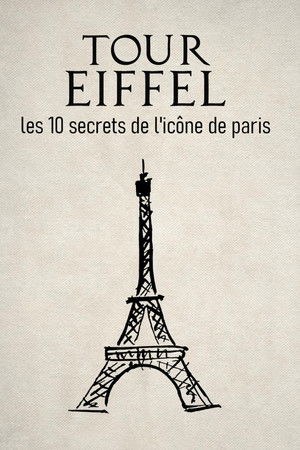
Eiffel, les derniers secrets
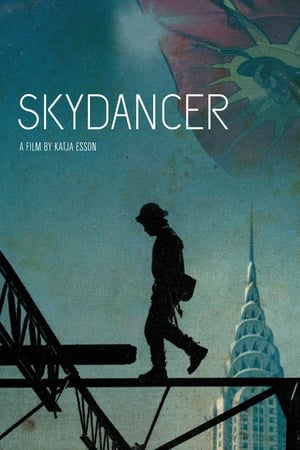
Ed Kimble, a structural ironworker, is followed during his workday building a skyscraper.
With building collapses happening around the country, activists band together to confront the real estate developers and hold them accountable for the construction destruction, lives they have destroyed, and deaths they have caused.
The Heroes of the Massacre River is a powerful documentary that chronicles the stories of the pioneers behind the construction of the historic Canal of Ouanaminthe, a project that united Haitians across the nation and the diaspora. This film celebrates the groundbreaking efforts of key figures, centering on Dr. Bertrhude Albert, Dr. Naismy-Mary Fleurant, architect Wideline Pierre, economist Etzer Emile as well as dedicated canal workers Milourie Sylfrard, Theodore Johnson and Joseph Pressoir — all guided by the investigative journey of Max Angie Clervil. It also serves as a commentary on the complexity of colonialism and borders, tracing the role that the Massacre River continues to play in the history of Ayiti.
Leaky home experts John Gray and Roger Levie uncover the shocking truth about the dreadful and dangerous state of many apartment buildings in New Zealand. Buildings that look sound turn out to be seriously defective, costing millions to fix, and in the worst cases, only fit to be pulled down. The owners who thought they were making a good step on the property ladder, now find themselves faced with an emotional and financial cost that will affect the rest of their lives. How did this building disaster come about and can it be fixed?
A local construction worker and a Chinese engineer are assigned to build a bank in Bangui, the capital of the Central African Republic, one of the poorest countries in the world. But time is short and resources are scarce, and there are rumours in the countryside that a new civil war is brewing. And as if all this wasn’t bad enough, their relationships to their wives are falling apart. ‘Eat Bitter’ mirrors the existential and mundane problems of the two men, while an unlikely friendship and mutual trust blossoms between them. However, the chaotic microcosm of the construction site also mirrors China’s contradictory role in 21st century Africa, with the bank itself as the ultimate symbol of money, power and illusion. Director duo Pascale Appora-Gnekindy and Ningyi Sun themselves represent each of the two cultures, and their film has a unique eye for the human fallibility and irony of it all, but also for how we can reach each other despite all our many differences.
Behind the scenes of a large construction site in western Switzerland, we dive into the world of construction where most of the workers are foreigners.
An inside look at the creation of Universal Orlando Resort's new Jurassic World VelociCoaster.
Chronicling the reconstruction of the World Trade Center and restoration of the New York City skyline, with a focus on the construction workers who made it happen. Thirteen cameras placed throughout the site document eight years of progress with stunning time-lapse imagery, and shadow workers every step of the way as they turn a pile of ashes into a towering testament to imagination and resilience.
Filmmaker Geertjan Lassche follows a construction project in the heart of Rotterdam, from the first foundation pile up until completion.
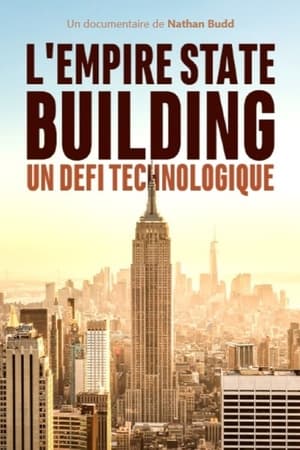
Secrets of the Empire State Building
2005-2008. Video. In 2005 San Francisco real estate magnate Angelo Sangiacomo commissioned Strickland to make a movie that would chronicle final stages in the construction of his new house in Pebble Beach, CA. Amidst the spectacle of the building site, the videographer sought to portray a design project of operatic proportions that involved a sometimes dissonant cast of characters and took more than 6 years to unfold. The owners hoped that this video record might lend future visibility to a structure’s bones and soul that otherwise vanish from sight by the time building is completed.
A man named Walt who has recently completed building a fallout shelter in his home, a project initiated due to the threat of nuclear war during the Cold War era. Walt demonstrates to his friends the multi-functionality of the shelter, which can also serve as a darkroom, an extra bedroom, or a safe space during tornadoes. He explains the construction process in detail, emphasizing the need for precise measurements, proper leveling, and the use of concrete blocks for radiation protection. The shelter includes a stock of essentials like a radio, batteries, and a fire extinguisher. Walt’s narrative is interspersed with advice on obtaining official bulletins for guidance and the importance of building shelters correctly. The film concludes with a message from the Director of the Office of Civil and Defense Mobilization, advocating for the construction of family fallout shelters across America as a means of personal safety and national security in the nuclear age.
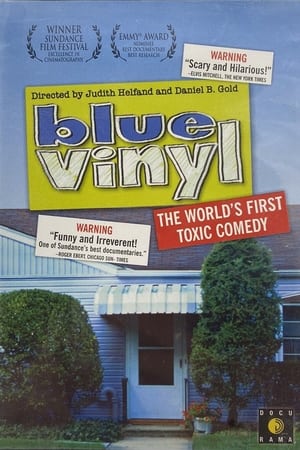
With humor, chutzpah and a piece of vinyl siding firmly in hand, Peabody Award-winning filmmaker Judith Helfand and co-director and award-winning cinematographer Daniel B. Gold set out in search of the truth about polyvinyl chloride (PVC), America's most popular plastic. From Long Island to Louisiana to Italy, they unearth the facts about PVC and its effects on human health and the environment.
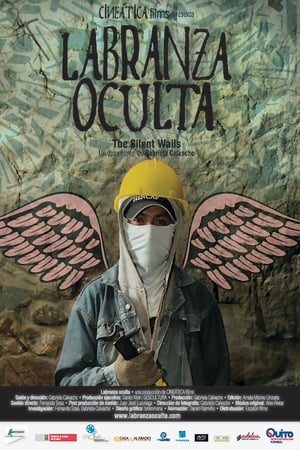
Every city has its secrets, but it is probably inside houses, behind their silent walls, where they are most intense and human. The Alabado House was built in 1671 as part of Quito’s colonial Old City, surviving centuries of earthquakes, poverty and decay. Over the past five years, dozens of manual laborers have been working to restore it. But its miraculous beauty conceals a long and tragic history. For it was the oppressed indigenous masses who built the Old City, the largest in Latin America.
Oravská priehrada