An experiment and a dialogue about recording, the act of filming and the colors available to whoever points the camera somewhere.
System (2025) is a short documentary film exploring intergenerational connections to land and country. Interviews with Aunty Denise Morgan Bulled, a Yorta Yorta Elder; John Toll and his family, fourth-generation farmers in Gunbower wetlands; and two Local 10 year olds, Harry and his friend Mac. The film reflects on how the river system shapes their daily lives, impacts their quality of life, and influences their passion for country.
Meet Duewand Collier Jr.-Male, 68 years old, American Citizen, a child conceived in the backdrop of the Philippines-American Mutual Defense Treaty, born and raised with Catholic guilt. He has made peace with his past and now tells his story-a story of love.
Monte Hellman was born in 1932. By 1986 he made eight features, but had not directed for six years. I had made as many documentaries, but had not turned a foot of film through a camera for two years. I decided to break the silence by spending a day with him. Nine rolls were loaded into the camera. We talked until either we or the camera ran out.
Material filmed during and after the battle of Amman, in September 1970. The images document the rubble after the bombings, showing displaced people in the hall of a building, among the ruins, inside schools, while they are being treated . Some moments of a Yasser Arafat rally are also filmed.
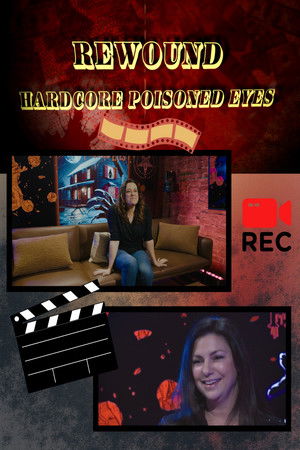
A feature-length documentary exploring the history, production, and legacy of the cult horror film Hardcore Poisoned Eyes. Featuring new interviews with cast and crew, Rewound: Hardcore Poisoned Eyes examines the film’s origins, underground reputation, and restoration from original source materials. Produced in conjunction with the film’s 25th Anniversary Blu-ray release.
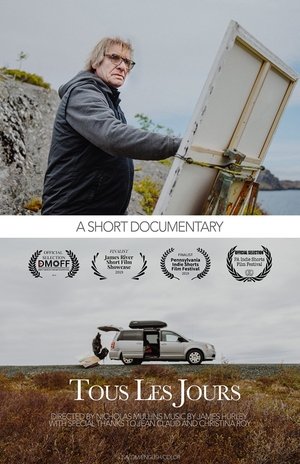
In rocky Newfoundland, renowned French artist Jean Claude Roy gathers his paints and sets off to face the day. Whether it be freezing snow, violent wind, or pouring rain, he commits vibrant colors to canvas and conquers the day by weaving crooked beauty out of difficulties.
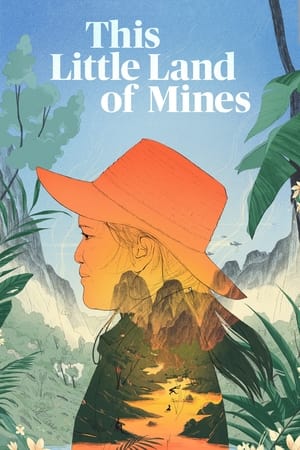
During the Vietnam War, the US bombed Laos more heavily than any other country had been bombed before. Today, the Lao people live among, and risk their lives to clear, over 80 million unexploded bombs on their doorsteps. With great beauty and empathy, this documentary reveals the unbelievable stories of the men and women at the forefront of this monumental task.
Luca lives for pizza. In an attempt to create a documentary about the cultural exchange between Neapolitan and Windsor pizza, the Covid-19 pandemic diminishes any hopes of flying to Italy and exploring his cultural background. With an infinite amount of free time, (and a hunger for pizza), Luca and his twin sister, Gemma, aim to save the documentary.
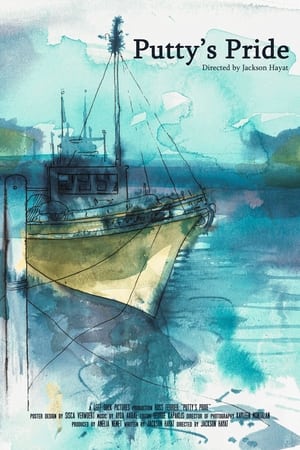
Confronted by retirement, a fourth generation fisherman grapples with the selling of the boat he built with his father.
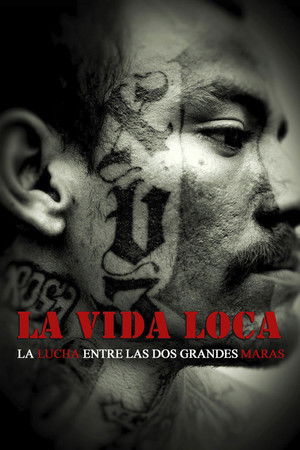
A documentary about the rival gangs Mara 18 and Mara Salvatrucha, originating in Los Angeles but terrorizing El Salvador. It explores their origins as possible founding myths of organized crime in a globalized world.
Pearl Gluck travels to Hungary to retrieve a turn-of-the-century family heirloom: a couch upon which esteemed rabbis once slept. En route for the ancestral divan, Pearl encounters a colorful cast of characters who provide guidance and inspiration.
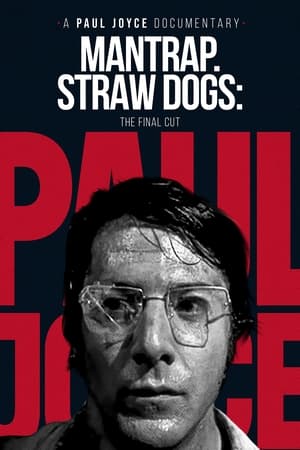
Documentary about the making of Sam Peckinpah's 1971 film "Straw Dogs."
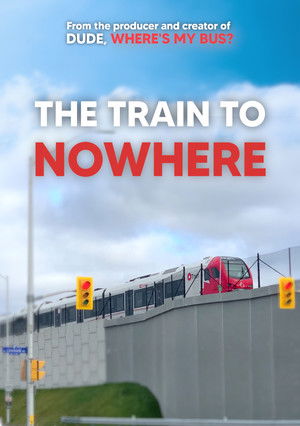
Following the success of Dude, Where's My Bus? (2024), Gio Petti's new documentary The Train to Nowhere shifts focus from buses to rail, centring on the Line 2 expansion of Ottawa’s Light Rail Transit (LRT), a project that many commuters hoped would mark a turning point for transit in the city. The documentary follows Petti as he documents the circumstances surrounding the expansion, the project's transition to a hot-button political issue, and the broader impact on riders who depend on the various systems every day. It also explores themes of retaining optimism and taking charge for change in the transit system in the face of cynicism.
Filmed at the Museum of Fine Arts, Boston and the Tate Britain, London, the exhibition reveals Sargent’s power to express distinctive personalities, power dynamics and gender identities during this fascinating period of cultural reinvention. Alongside 50 paintings by Sargent sit stunning items of clothing and accessories worn by his subjects, drawing the audience into the artist’s studio. Sargent’s sitters were often wealthy, their clothes costly, but what happens when you turn yourself over to the hands of a great artist? The manufacture of public identity is as controversial and contested today as it was at the turn of the 20th century, but somehow Sargent’s work transcends the social noise and captures an alluring truth with each brush stroke.
A lonely man falls in love with his ChatGPT companion, challenging the boundaries of love and what it means to be human.
Every year, thousands of German citizens travel to India, hoping to have a spiritual awakening of their own. In turn, they end up taking bits and pieces of Indian culture back home with them, creating a distorted version of Indian religion that’s practiced widely across Europe. The number of yoga institutes, ashrams, and Sanskrit institutes in Germany indicates that younger generations are far from giving up on this trend. Some are so enamored by this version of Indian culture that they travel thousands of kilometres to meet their spiritual advisors in tents, attend yoga sessions at 5 in the morning, and, in some cases, even adopt Indian names and clothes to try and connect more with this Eastern way of living. But exactly how prevalent is this trend?
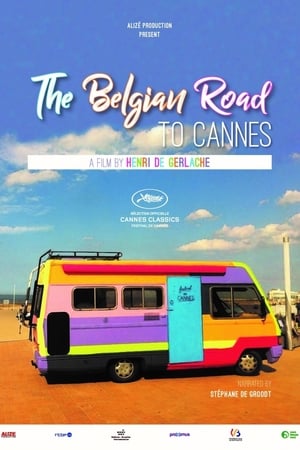
A cheerful road movie all about Belgian films at Cannes over the past 70 years. Filmmakers from the past converse with those from the present to paint the portrait of a cinema that is both diverse and free. An account of Belgium’s participation in the greatest film festival in the world.
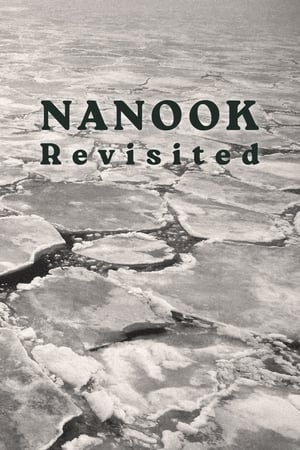
Filmmakers revisit Inukjuak, the Inuit village where Robert J. Flaherty filmed Nanook of the North in the early twentieth century, and examine the realities behind the ground-breaking documentary.
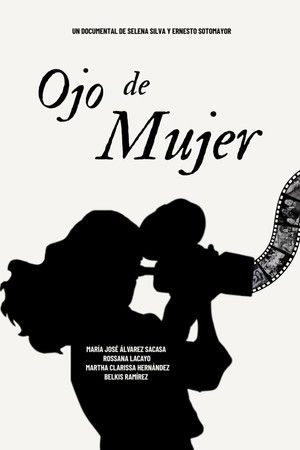
Ojo de Mujer is a documentary that features four Nicaraguan women filmmakers, whose testimonies allows us to learn about their begginings and how they have contributed to building a collective memory within their communities, leaving lasting roots for future generations of filmmakers in the country.