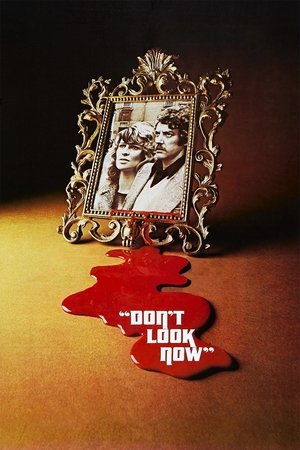
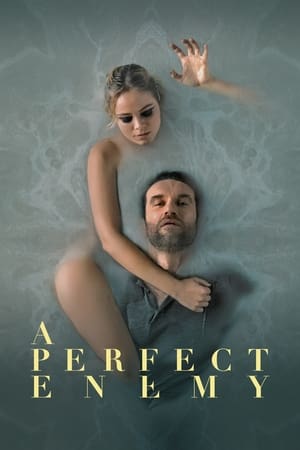
While grieving a terrible loss, a married couple meet two mysterious sisters, one of whom gives them a message sent from the afterlife.
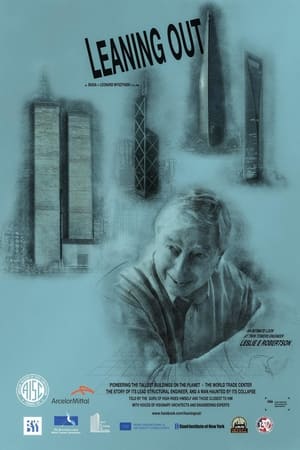
A man with a perspective like no other on the planet. The leading structural engineer of the World Trade Center oversees its construction, haunted by its fall ever since. A guru in high-rise design. Driven by his values as a pacifist and activist and the woman engineer who emboldened, expanded and ultimately saved the man she loved. About fulfillment, fragility, and a fighting spirit.
Kirsty must survive an afternoon in the city centre until her accomodation can be arranged at a homeless shelter.
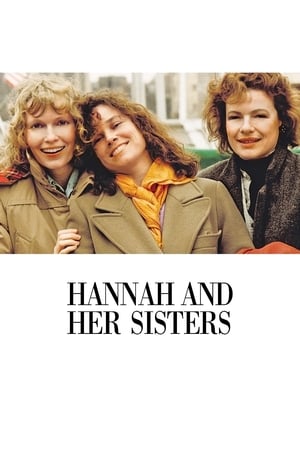
Between two Thanksgivings, Hannah's husband falls in love with her sister Lee, while her hypochondriac ex-husband rekindles his relationship with her sister Holly.
As part of a wider anti-litter message, this film addresses the problems of rubbish left on beaches.
A Stone Story
When architect Alex Wyler moves into an unusual glass house on stilts over a lake, he discovers a note from the previous tenant in the mailbox--but no one's lived in the house for years. He replies and soon discovers that he's corresponding with a doctor named Kate Forster. Their correspondence, only through the 'magical' mailbox, turns romantic and their paths cross in unexpected ways, but when they try to truly connect, danger looms. They must try to unravel the mystery behind their extraordinary romance before it's too late.
Stourley Kracklite, a driven, detail-obsessed architect, travels from America to Rome with his much younger wife, Louisa, to oversee an architectural homage to a personal hero, 18th-century master builder Etienne-Louis Boullée. En route by train, Stourley and Louisa conceive a much-wanted child — but Stourley's obsession with his wife's expanding belly, her perceived infidelity, and his own recurrent bouts of abdominal pain reach epic and dangerous proportions.
In 1989, a woman writes a letter to her mentor. She reminisces about a life-changing campaign they spearheaded to save a historic home, Irving Gill's Walter Luther Dodge House in Los Angeles, twenty years prior.
Martin is a neurotic web designer taking baby steps out of the isolation of his one-room apartment and his virtual reality. Mariana is an artist fresh out of a long relationship. They are perfect for each other, live on the same street, in opposite buildings, but they never meet. Can the movement of a modern city of three million people bring them together?
Whitebox
After discovering that John Milton is buried within London's Barbican grounds, Iain Forsyth & Jane Pollard reimagined his epic poem ‘Paradise Lost’ as part of Doug Aitken's Station to Station project. The piece uses the architecture and atmosphere of the Barbican to update the story, which is told in three parts.
After leaving her daughter Jessica in a small town in Pernambuco to be raised by relatives, Val spends the next 13 years working as a nanny to Fabinho in São Paulo. She has financial stability but has to live with the guilt of having not raised Jessica herself. As Fabinho’s university entrance exams approach, Jessica reappears in her life and seems to want to give her mother a second chance. However, Jessica has not been raised to be a servant and her very existence will turn Val’s routine on its head. With precision and humour, the subtle and powerful forces that keep rigid class structures in place and how the youth may just be the ones to shake it all up.
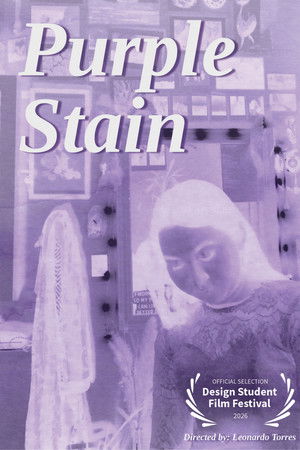
The film follows an architecture graduate as she reflects on the meaning of home and the labor of making home. Architecture is framed beyond the physical built object: as a second skin that stretches and reconfigures itself as she, too, stretches to be in a new place. The film moves through themes of migration, womanhood, and what it means to be an architect without building, still making architecture constantly, just through different forms.
A short experimental film, exploring the concept that one small change can have a profound impact on a person's life.
Famed architect Jeremy Angust is approached on his trip to the Paris Airport by a chatty girl named Texel Textor who needs a ride. He obliges and after they part ways at the airport entrance, he misses his flight. As he settles in the lounge, he encounters the mysterious young Texel again, who insists on telling her strange story — and the conversation grows stranger and more twisted until it turns sinister and deadly.
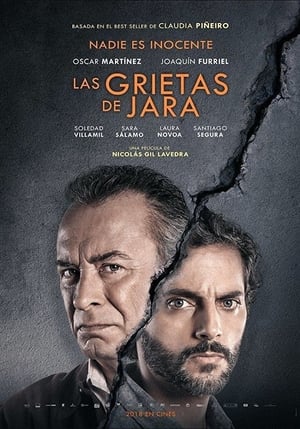
When the beautiful Leonor arrives at the architecture studio Borla y Asociados looking for Nelson Jara, both Mario Borla and his partner Marta Hovart and Pablo Simó, the building's oldest architect, claim to ignore that name completely. But they all lie. The truth begins to unravel through the memories of Pablo Simó. Pablo should carry out the unpleasant job of dealing with Nelson Jara, an indignant owner of the building adjoining a work of the studio, damaged by a crack in the wall of his living room caused by an error in the construction. But the fear and nervousness that provokes in the three involved the arrival of Leonor and her question "what happened to Nelson Jara?" Show something much darker and more suspicious. (FILMAFFINITY)
The life and work of Guido Buffo, an artist and scientist whose passion for knowledge and art is intertwined with his love story with Leonor. Through a journey through key moments in his life, the short film explores his vision of the interconnection between art and science, as well as his profound love for his wife and daughter, who inspire him to build an enduring legacy: his chapel in the Córdoba mountains.
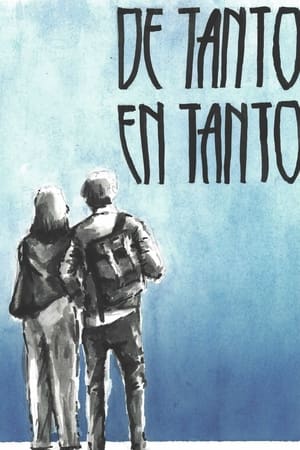
Lucas, a sociology professor, visits the city of Rosario to give a talk. There, he meets Clara through an application that connects two people in the same city to accompany her. What initially is a simple walk from Clara's neighborhood to her work becomes the rediscovery of the relationship between a city, whose architectural heritage remains hidden between the hubbub of the city and its past.
On the outskirts, residents feel marginalized from society, as if they had no identity, and this is reflected in the surrounding buildings, anonymous in their neglect. The first character is one of these residents, who, while wandering around the city, finds a wallet lying on the ground. The moral duty to return the wallet conflicts with the vision of a new future, far from the shadow of the suburbs, through the assumption of a new identity.