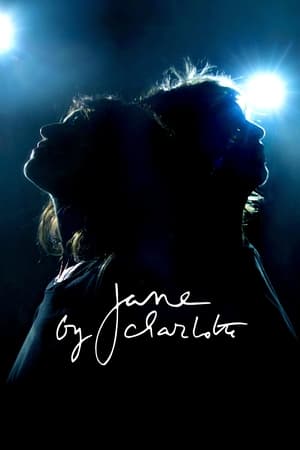
Charlotte Gainsbourg looks at her mother Jane Birkin in a way she never did, overcoming a sense of reserve. Using a camera lens, they expose themselves to each other, begin to step back, leaving space for a mother-daughter relationship.
A portrait of the British writer Thomas Hardy (1840-1928), who, although he had radical instincts, hated hypocrisy, was of great poetic brilliance, had a tragic perception of life and a calm outward appearance, was at heart a man of seething and somber darkness.
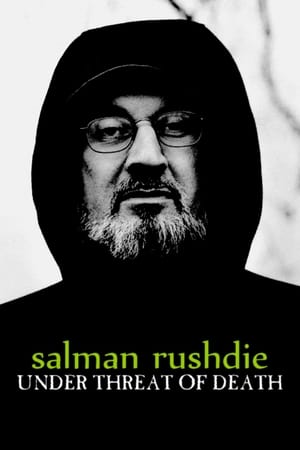
An intimate portrait, in his own words, of the Indian writer Salman Rushdie, author of The Satanic Verses (1988), thirty years after the fatwa uttered by the Iranian Ayatollah Khomeini: his youth in multicultural Bombay, his life in England, his many years of forced hiding, his thoughts on President Trump's United States of America.
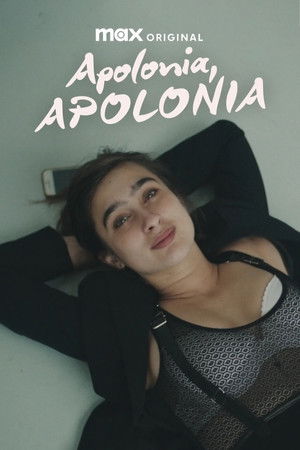
When Danish filmmaker Lea Glob first portrayed Apolonia Sokol in 2009, she appeared to be leading a storybook life. The talented Apolonia was born in an underground theater in Paris and grew up in an artists’ community—the ultimate bohemian existence. In her 20s, she studied at the Beaux-Arts de Paris, one of the most prestigious art academies in Europe. Over the years, Lea Glob kept returning to film the charismatic Apolonia and a special bond developed between the two young women.
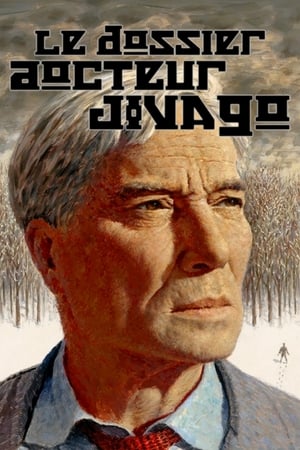
As Russian writer Boris Pasternak (1890-1960) thinks it is impossible that his novel Doctor Zhivago is published in the Soviet Union, because it supposedly shows a critical view of the October Revolution, he decides to smuggle several copies of the manuscript out of the country. It is first published in 1957 in Italia and the author receives the Nobel Prize in Literature in 1958, which has consequences.
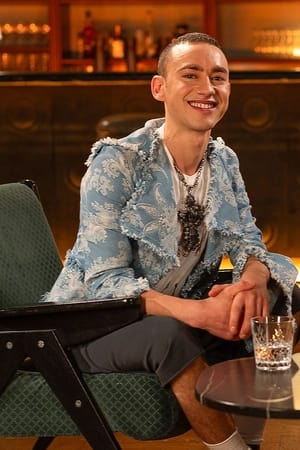
Olly Alexander is preparing to fulfil one of his biggest life ambitions - to represent the United Kingdom in the much-loved Eurovision Song Contest. Ahead of the grand final in May, Olly joins fellow Eurovision lover and commentator Graham Norton to talk candidly about competing in Sweden. As an extra treat for Eurovision fans, Olly reveals the first full play of the music video on TV for his Eurovision song Dizzy.
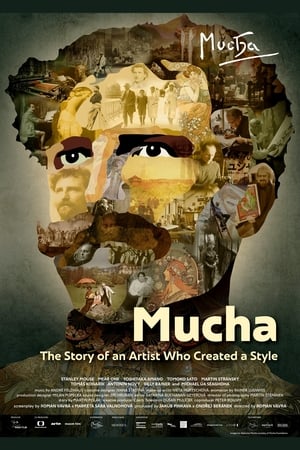
Czech painter and illustrator Alphonse Mucha (1860-1939) ranks among the pioneers of the Art Nouveau movement at the end of the 19th century. Virtually overnight, he becomes famous in Paris thanks to the posters that he designs to announce actress Sarah Bernhardt’s plays. But at the height of his fame, Mucha decides to leave Paris to realize his lifetime project.
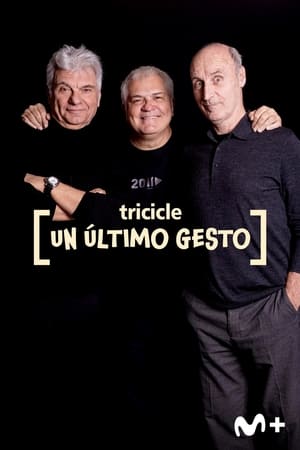
Presenter and comedian Andreu Buenafuente interviews Joan Gràcia, Paco Mir and Carles Sans moments after the conclusion of their last performance at the Liceu Theater in Barcelona, the culmination of their forty-three-year career on stages all over the world as Tricicle, a brilliant, ineffable, unforgettable, irreplaceable comedy trio.
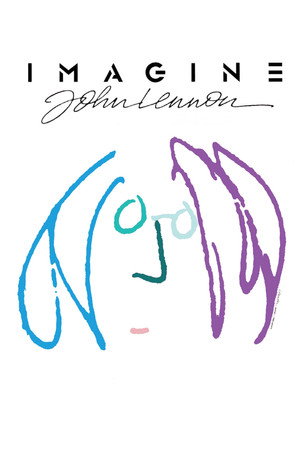
The biography of former Beatle, John Lennon—narrated by Lennon himself—with extensive material from Yoko Ono's personal collection, previously unseen footage from Lennon's private archives, and interviews with David Bowie, his first wife Cynthia, second wife Yoko Ono and sons Julian and Sean.
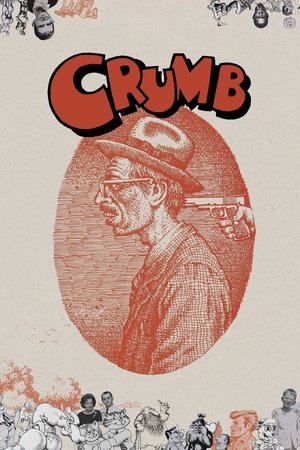
This movie chronicles the life and times of R. Crumb. Robert Crumb is the cartoonist/artist who drew Keep On Truckin', Fritz the Cat, and played a major pioneering role in the genesis of underground comix. Through interviews with his mother, two brothers, wife, ex-wife and ex-girlfriends, as well as selections from his vast quantity of graphic art, we are treated to a darkly comic ride through one man's subconscious mind.
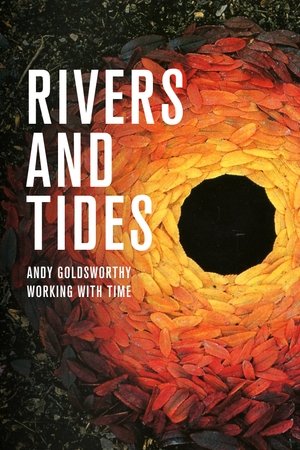
Portrait of Andy Goldsworthy, an artist whose specialty is ephemeral sculptures made from elements of nature.
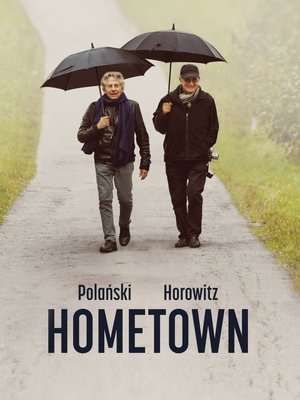
Filmmaker Roman Polanski and photographer Ryszard Horowitz meet in Kraków, Poland, where, strolling the streets, they share memories of their childhood and youth, the hardest days of their lives, when, during World War II, they met in the ghetto established by the Nazi occupiers.
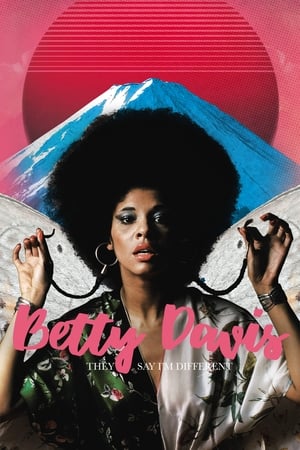
An aspiring songwriter from a small steel town, Betty Mabry Davis arrived on the scene to break boundaries for women with her daring personality, iconic fashion style and outrageous funk. She befriended Jimi Hendrix and Sly Stone, wrote songs for the Chambers Brothers and The Commodores and married Miles Davis, turning him from jazz to funk and then went on to ignite stages in the 70s with her sassy sexed up mix of hard rock and bluesy funk, inspiring artists from Prince to Erykah Badu to Karen 0 and Peaches. Then she vanished…
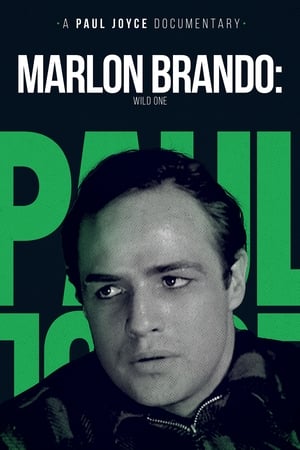
An examination of the craft of Marlon Brando, narrated by professionals of the film industry. The film follows his career from the stage with "A Streetcar Named Desire", through the Actors Studio and professional relationships with Elia Kazan and Stella Adler to Hollywood. An actor who redefined the limits to which a professional may go in becoming the character not only intellectually but emotionally, Brando changed the meaning of film acting.
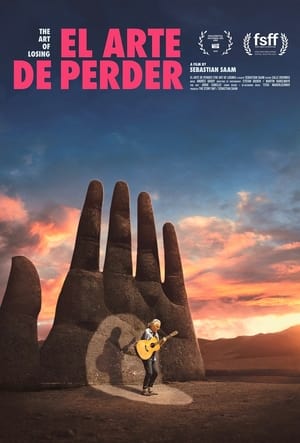
Andrés Godoy is an unusual musician. At the age of 14, already an accomplished guitarist, he lost his right arm while working in his parents' mill. After years of depression, he reinvented himself by creating his own playing technique, and went on to become one of the world's leading guitarists.
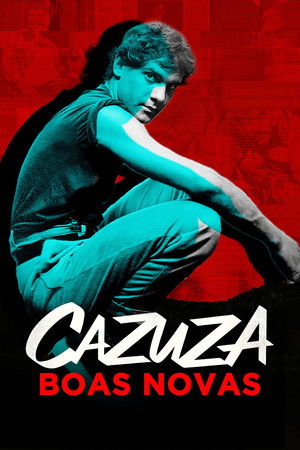
It explores the last two years of Brazilian singer Cazuza's life, from his AIDS diagnosis until his death. Nilo Romero, Cazuza's music producer and the film's director, created a collection of rarely seen and controversial images.
An account of the life and work of Swiss painter, sculptor, architect and designer H. R. Giger (1940-2014), tormented father of creatures as fearsome as they are fascinating, inhabitants of nightmarish biomechanical worlds.
Film critic Alejandro G. Calvo traces an audiovisual journey through the work of David Lynch trying to find clues to decipher his enigmatic universe.
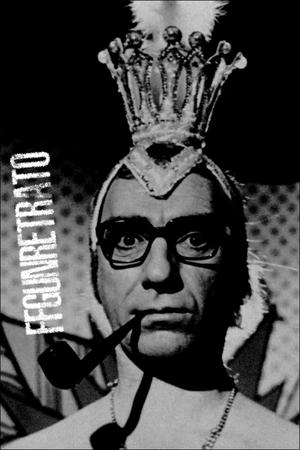
An experimental portrait of Fernando Fernán Gómez, one of the most renowned Spanish artists of all time.
The Norwegian painter Edvard Munch is the author of a powerful body of work that is rooted in symbolism and expressionism. His most famous painting, "The Scream", painted in 1893, has become the symbol of existential anguish. He obsessively sought to express his most violent emotions in the face of death and love, bringing them together in a great whole, the "Frieze of Life". Nature, in perpetual movement, the bearer of vital momentum, helped him to exalt his anguish of living through its colors and undulating lines.