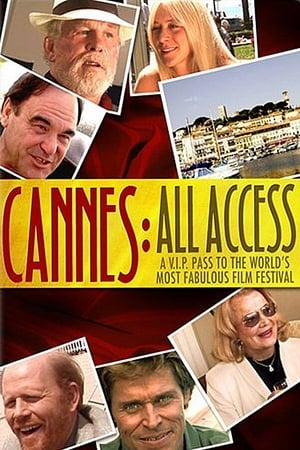
From its simple beginnings in 1939 in a sleepy beach town in the south of France, the prestigious Cannes Film Festival has become the must-attend red carpet event of the year. Filmmaker Richard Schickel's fascinating documentary captures the glitz and glamour of the festival's incredible 60-year run with archival footage and unforgettable moments. Hollywood's biggest names including Clint Eastwood, Martin Scorsese, Sharon Stone and Harvey Weinstein talk about the politics, madness, and thrills of competing for one of the industry's highest honors - the coveted Palme d'Or - and what it's like to be at the most fabulous festival by the sea.
At various points in its history, tiny St. John's Island was where Singapore's colonial founder Sir Stamford Raffles docked his ship upon arrival, a quarantine centre for immigrants and pilgrims returning from Mecca, a penal colony for political detainees and secret society leaders, and a sleepy holiday resort. Unlike its neighbouring islands, however, St. John's was never fully developed. It occupies an in-between space, the vestiges of its history scattered around the land. Its indeterminacy stands in sharp contrast to Singapore, where land use is meticulously planned to fulfil economic and social functions. In this film, St. John's Island - otherwise known as 'Bukit Orang Salah', a nickname coined by the people who were quarantined there - becomes a site of and for reflection, prompting questions about our history, heritage and identity.
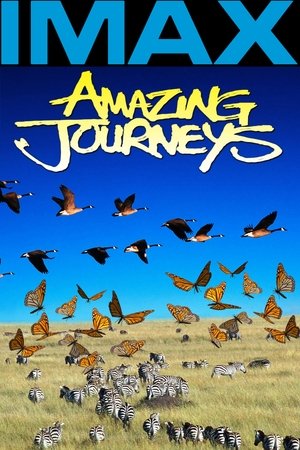
By land, by air, and by sea, viewers can now experience the struggle that millions of creatures endure in the name of migration as wildlife photographers show just how deeply survival instincts have become ingrained into to the animals of planet Earth. From the monarch butterflies that swarm the highlands of Mexico to the birds who navigate by the stars and the millions of red crabs who make the perilous land journey across Christmas Island, this release offers a look at animal instinct in it's purest form.
All-star cast in this rare sword film from Taiwan. Top masters battle it out for supremacy and calmness in the martial world.
After losing his title of king of gamblers, Asia's top card player holds a contest in the hopes of restoring his reputation and his wealth that was cheated from him. Awesome tricks, fists and kicks galore.
A young woman is trained by a professional assassin to become her partner in crime.
The social democrats of the sixties and seventies worked on their grand plan to build a highway network in Germany that every German citizen could reach within five minutes of their home. The little film hangs around between and on the streets of this network - where the country discos, pedestrian zones, shopping centers, hospitals and roads home are behind noise barriers.
A lonesome car. The wind is whistling. A door of an undefined building opens—is it a holiday bungalow, a shed or a ruin? A woman is standing at the window. The heat of an idle day of holiday, perhaps. The South, a place of longing.
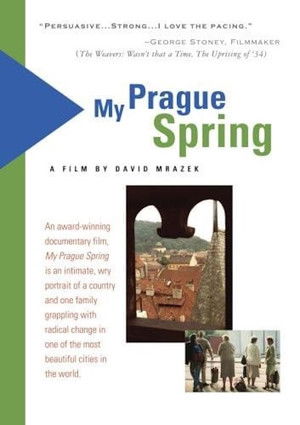
In its "velvet revolution" of 1989, the people of Czechoslovakia toppled its communist dictatorship and embraced democracy and capitalism. By January 1993, the country had peacefully split in two. In the early 1990s, thousands of American college graduates began flocking to Prague, where they could postpone entering the "real world," and live cheaply in a beautiful undiscovered European city. Throughout that decade more and more tourists crossed the statue-lined Charles Bridge in search of old world beauty previously hidden by communist isolation. But what of the people who cross the Charles Bridge on their way to work every morning? Who are the Czechs? What is their history? What is their future? My Prague Spring is an award-winning film that vividly humanizes a resilient people who have survived a tumultuous history. In the spring of 1990, a Czech-American filmmaker spent four months living with his Czech relatives, and opened an intimate window into an uncertain world.
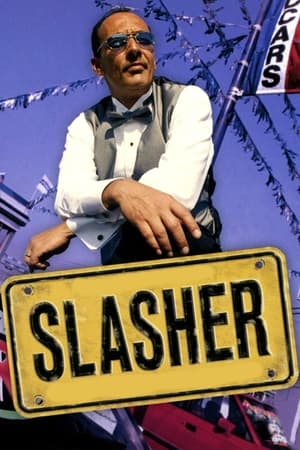
A documentary on a stereotypically shady used car salesman, one who convinces customers to buy vehicles that others have deemed unfit for sale.
L'énigme Céline Dion
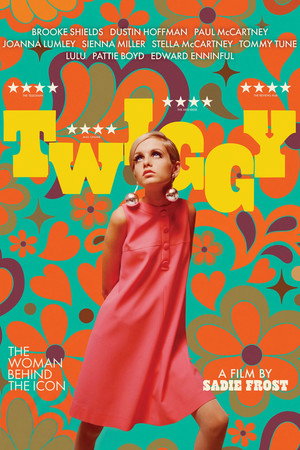
Twiggy takes a comprehensive look at the life story of UK model and cultural icon Twiggy, real name Lesley Lawson, whose career kickstarted in the 1960s. It features interviews with Twiggy and her husband Leigh Lawson, as well as commentary from Erin O’Connor, Paul McCartney, Lulu, Poppy Delavigne, Brooke Shields, Pattie Boyd and Zandra Rhodes.
Daví wakes up feeling very, very discouraged and is tormented so that he doesn't get up and go to work again. However, he does everything he can to deal with this torment.
Centrales nucléaire : démantèlement impossible
A short film warning the unaware housewife of the dangers of “dry cleaning” with gasoline at home.
Rolland, a 70 year-old man, exiled by his family due to his sexual orientation, makes peace with the past by finding himself in a small ghost town in the western part of Jalisco, San Sebastián del Oeste. Almost 40 years later, he wants to go back to his hometown, try to regain his daughter's love and be a part o his granddaughter's life.
A highly sophisticated program documenting the night life of Bowling Green, Ohio.
This intimate film follows six Afro-Native Americans from around the U.S., as they reflect upon the personal and complex issues of Native and African heritage, ethnic identity, and racism within communities of color.
This film features some of the most important living Postmodern practitioners, Charles Jencks, Robert A M Stern and Sir Terry Farrell among them, and asks them how and why Postmodernism came about, and what it means to be Postmodern. This film was originally made for the V&A exhibition 'Postmodernism: Style and Subversion 1970 - 1990'.
This excerpt from A Pale Blue Dot was inspired by an image taken, at Carl Sagan's suggestion, by Voyager 1 on February 14, 1990.