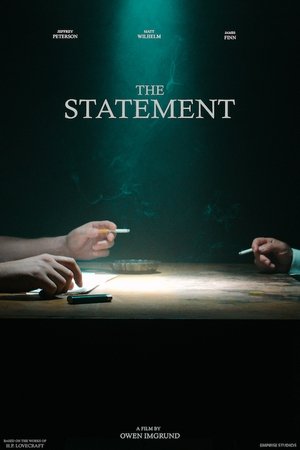
After investigating an Elder cult's meeting place, a professor wakes to find himself in an interrogation room with a grotesquely scarred hand.
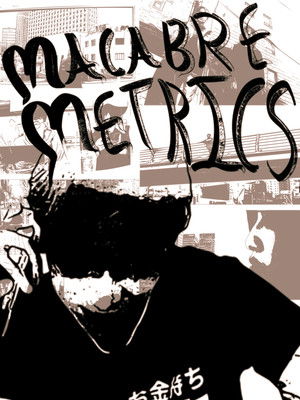
A young, wannabe streetwear influencer dying to make an impact on the world gets a lot more than he bargained for when a shy but obsessive fan decides to help him become a star for his own gain at the expense of everyone else involved. Macabre Metrics is an almost feature-length, visually experimental exploration into the world of image culture set in Seoul. Shot entirely on iPhone with animated sequences.
An animated short based on a scene from "The Long Walk" by Stephen King
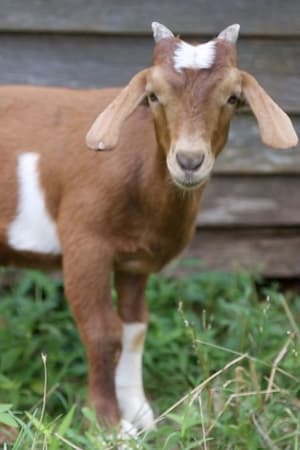
"If it Won’t Hold Water, it Surely Won’t Hold a Goat" is an intimate meditation on the subversive nature of goats and their effect on the people who spend time with them. Centered on the story of the legendary Goat Man - a nomadic figure who spent most of his life walking the roads of Georgia with a wagon pulled by a herd of goats - this experimental documentary weaves together an interview with a goat farmer, footage of the daily rituals Johnson enacted with her own herd, and a poem about the Goat Man’s experimental and spectacular life.
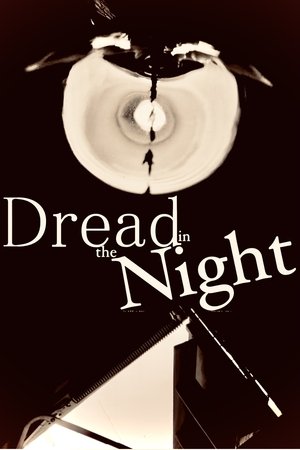
The evening of a summer day is replaced with the strange happenings and atmosphere of night.
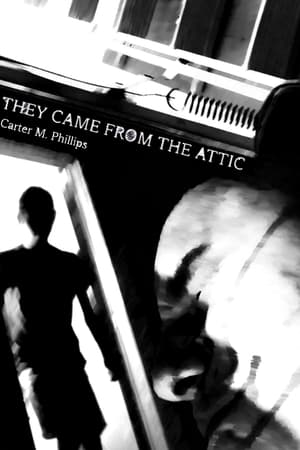
A teenage boy is home alone for the weekend but when nocturnal creatures living in his attic escape, he must survive.
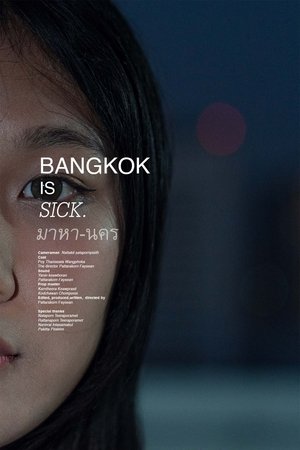
The uncomfortable feeling caused by the loss of identity experienced by provincial youngsters who move to Bangkok. Depression might result from growing up in the provinces in the middle of Bangkok, which is a different atmosphere. feeling unrecognizable and eventually losing your identity and thoughts without realizing it.
Purple Leone is an experimental short film exploring how trends emerge and spread across the world. Through a blend of visuals and sound, it reflects on influence, identity, and the subtle forces behind global culture. A quiet, atmospheric look at what drives what we follow.
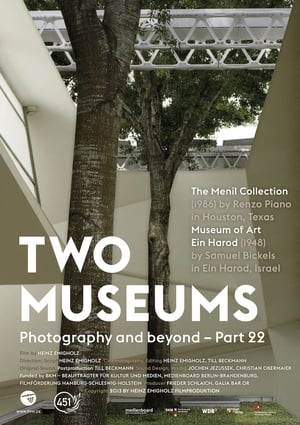
The film juxtaposes/compares two museums: The Museum of Art, Ein Harod, Israel, which Samuel Bickels (1909-1975) built there in 1948, and The Menil Collection in Houston, Texas, built by Renzo Piano (b. 1937) 1986 . The method of natural lighting in Bickels‘s construction was the direct model for Piano, who adopted for his construction at the request of its patroness Dominique de Menil.
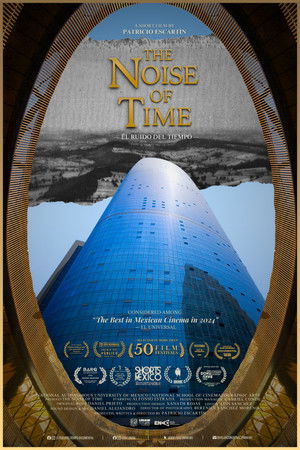
In the town of Xoco, the spirit of an old villager awakens in search of its lost home. Along its journey, the ghost discovers that the town still celebrates its most important festivities, but also learns that the construction of a new commercial complex called Mítikah will threaten the existence of both the traditions and the town itself.
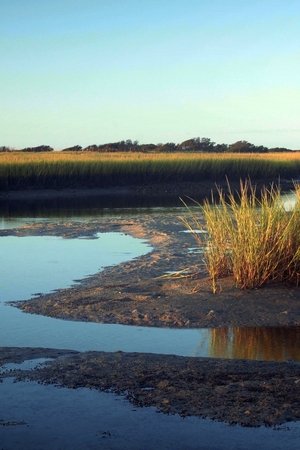
Filmed at Masonboro Island, an undeveloped barrier island in southeastern North Carolina, “Tides” contemplates the liminal space between the modern technological world and that more ecological dimension we label as “nature” or “the environment.”
After a mysterious injury at the park, a skater named Shepard begins to experience auditory and visual hallucinations inside of his own home.
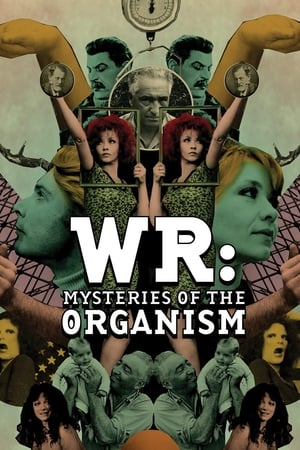
What does the energy harnessed through orgasm have to do with the state of communist Yugoslavia circa 1971? Only counterculture filmmaker extraordinaire Dušan Makavejev has the answers (or the questions). His surreal documentary-fiction collision begins as an investigation into the life and work of controversial psychologist and philosopher Wilhelm Reich and then explodes into a free-form narrative of a beautiful young Slavic girl’s sexual liberation.
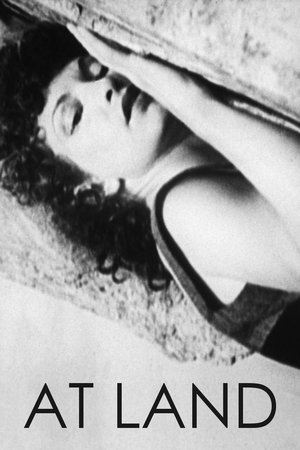
A woman washes up on a beach and embarks on a surreal journey, encountering others and fragmented versions of herself in a quest for identity.
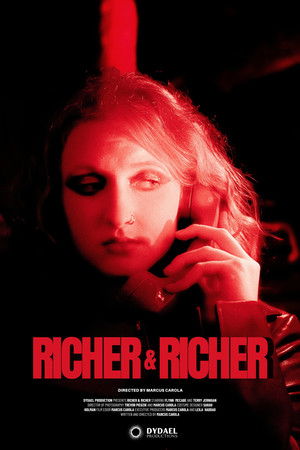
Losing her lover, mother, and hope for tomorrow, Gisele, the daughter of a crime syndicate, is forced to confront its oppressive leader – her father.
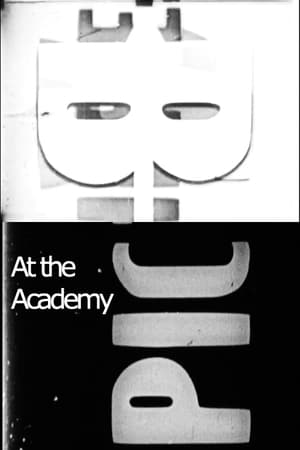
A found-footage film made entirely from Academy leader, which is normally used to cue the start of films. The film was hand-printed on a home-made contact printer. It was rolled back and re-printed several times over, to create a complex layering of both image and sound.
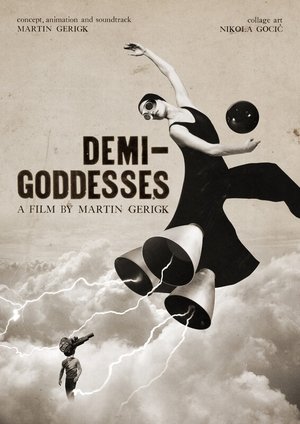
The second essay about still dominant dark aspects of our modern society. It is conceived as a surreal anti-patriarchal thought experiment and raises important questions about gender, power, and social change, prompting us to reflect on how historical patterns of discrimination and oppression might be either repeated or overcome in a reversed gendered world. It challenges the viewer to confront their own assumptions and biases, and to consider the possibilities of a more equitable society.
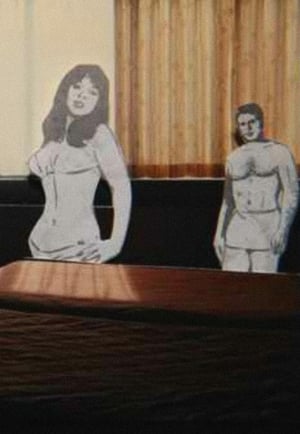
“The Occidental Hotel is a “city” film—I was inspired to emulate the Surrealists’ sense of wandering, of flaneury, of the way a hotel and its rooms is a temporary resting place inhabited by many many people, a shared public/private space. I am interested in a creative geography of the city I've constructed. For instance, the front of the hotel is from Berlin, its interior was photographed in Copenhagen. The film offers the elliptical “scent” of espionage films (largely because of its Berlin locations) and offers that genre’s lubricating sense of voyeurism, danger, and sexuality. My source materials are Mexican comic-book figures, and these urban photos I snapped on my honeymoon with my wife Janie Geiser in the summer of 1996.” —Lewis Klahr
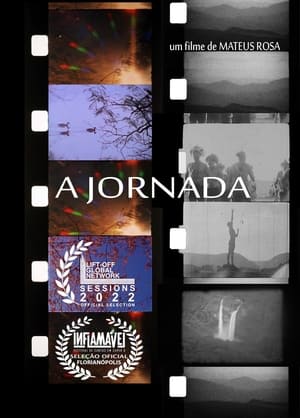
A mixture of a time travel, a documentary, artistic and performative record of the director's subjective view of the places, people and moments he spent from 2015 to 2018. Filmed on super 8 mm film.