Animated training film depicting the fundamentals of electricity and how electrical signals can be used to keep an airplane on correct course and altitude through an autopilot.
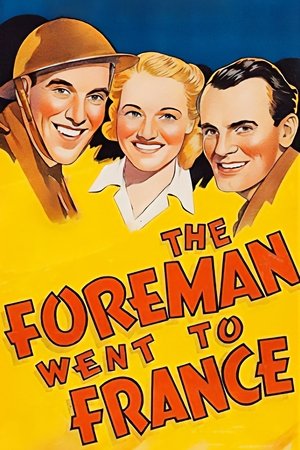
Based on the true story of Melbourne Johns, an aircraft factory foreman sent to France to prevent the Nazis getting hold of some vital equipment.
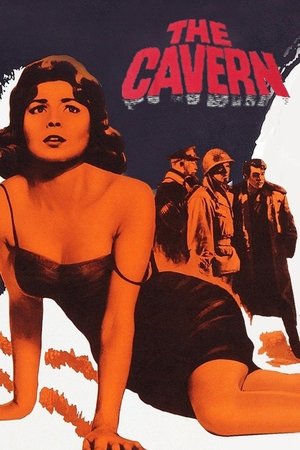
Adventure drama during WW2 in Italy where a mixed group of people get trapped inside a cave after a bomb raid. But can they co-operate? And will they survive?
The extraordinary life story of former Auschwitz prisoner no. 918, Kazimierz Piechowski, who organized one of the most amazing escapes from the camp.
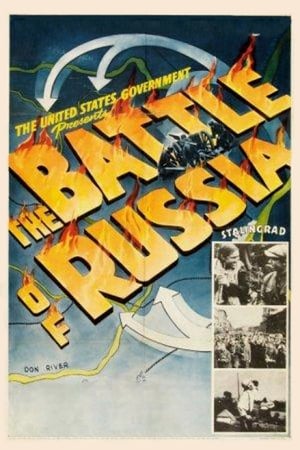
The fifth film of Frank Capra's Why We Fight propaganda film series, revealing the nature and process of the fight between the Soviet Union and Germany in the Second World War.
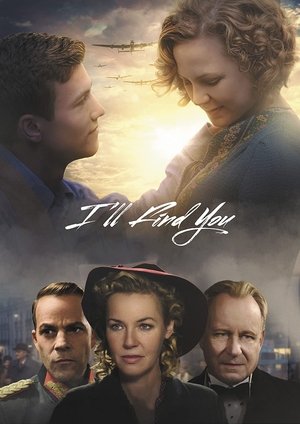
Inspired by stories of Polish musicians from the 1930s and 40s. Two young lovers, Robert, a Catholic opera singer, and Rachel, a Jewish violin virtuoso, dream of one day performing together at legendary Carnegie Hall. When they're torn apart by the German invasion of Poland, Robert vows to find Rachel, no matter what the war may bring. His search leads him on a life-threatening journey through the heart of Nazi Germany, to a reckoning that Rachel may be lost to him forever.
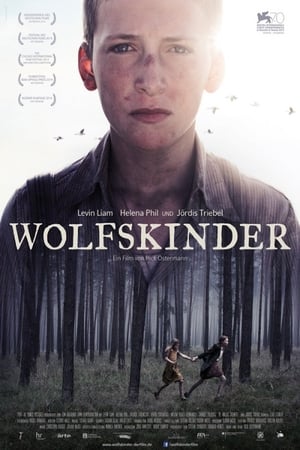
The story of a boy who, driven by the search for his lost brother in the turmoil of WWII, joins a group of children in order to survive the chaos of post-war anarchy in the haunted forests of Lithuania.
Belgique nazie
Hiroshima: The Race Toward the Apocalypse
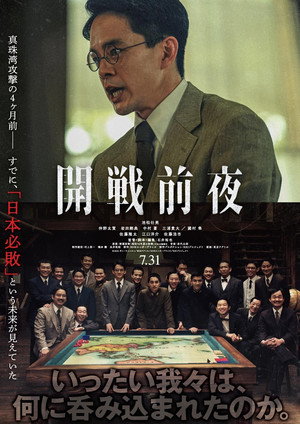
In April 1941, months before the Pacific War begins, Japan’s brightest young elites, bureaucrats, military officers, and civilians, are secretly assembled at the Total War Research Institute. Tasked with simulating a conflict against the United States, they confront harsh realities through intense analysis.
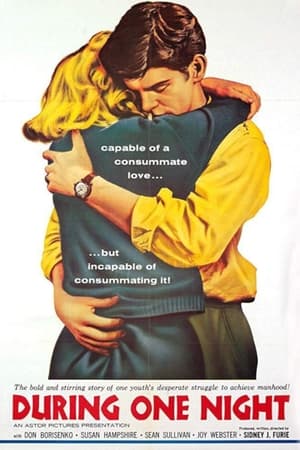
Story of a young U.S. Army officer, stationed in England during World War II, who is suddenly conscious of a desire to "prove" himself sexually.
Three friends Alek, Rudy and Zośka have to face the terrible face of World War II
About hardships of the first years of War, which fell to the lot of ordinary people in Ukraine, who got under the yoke of fascist occupation, and heroic struggle against the invaders. A young Russian woman asks a Red Army soldier to spend the night with her in the wake of the Nazi invasion. Fearing she may soon perish, the woman hopes for one night of romance before what could be a horrible demise.
He was one of the most notorious Nazi war criminals, infamous for his assassination attempts on twins. But at the end of World War II, he simply disappeared...
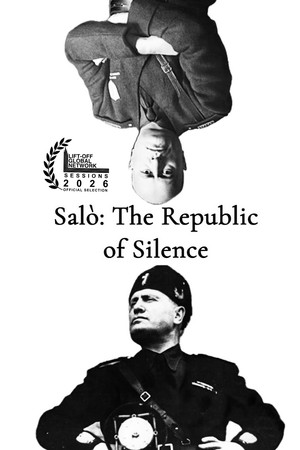
Short documentary about the Italian town of Salò during World War 2 and what it endured.
The television film based on the novel of the same name by Ladislav Mňaček draws on the period of World War II and the Slovak National Uprising. The film's story is composed of two intertwining time lines. In the images of the present that frame the entire narrative, the young partisan Voloďa - a hero with autobiographical features - recovers from a serious injury. In feverish reminiscences and in conversations with his nurse Eliška, he recapitulates the eventful events of his time in the partisan group in the village of Ploština, which the partisans abandoned under the pressure of events and left to the mercy of the German commando. Voloďa is haunted by visions of the burning Ploština, remorse and responsibility for the tragedy. In feverish reminiscences, he relives the meetings of the partisan detachment with the German commando. Memories of the mysterious Jewish girl Marta, a partisan liaison with whom Pavol had a passionate love affair, also return to him.
Slovak partisans, bravely fighting against Nazi superiority, would never have succeeded to such an extent if they had not been supported by the villagers. Despite the threat of repression, it is the villagers who care for the wounded, hide them, and behave conscientiously. Although the film was made in the late 1960s, it fully adopts the patterns of partisan stories, perhaps the only thing it can be credited with is a more developed sense of authenticity in the story, characters, and setting.
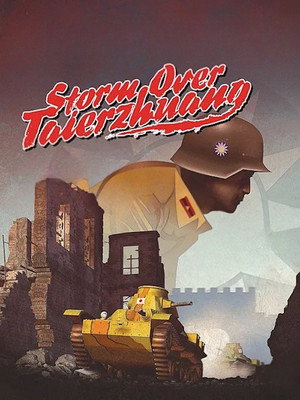
The Chinese army stops the Japanese army in 1938 at Suzhou.
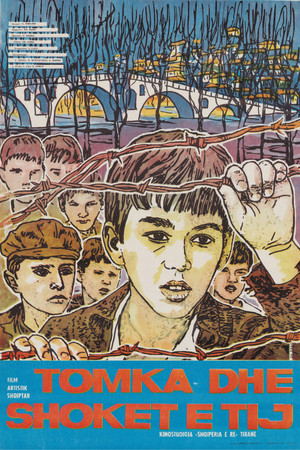
Tomka is a boy who likes playing football with his friends. When the German army captures his town, the German soldiers establish their camp in the town stadium. Tomka with help from his friends and their parents organizes sabotage actions against the soldiers.
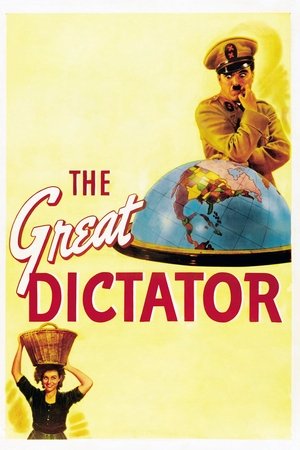
Dictator Adenoid Hynkel tries to expand his empire while a poor Jewish barber tries to avoid persecution from Hynkel's regime.