Our National Parks takes you on a journey through the four seasons and the many faces of our scenic national parks. Experience an array of lands and waters from Alaska's glacier-clad Denali to the turquoise coves and coral reefs of the Virgin Islands; from the fire of Hawaii Volcanoes to the coolness of Kentucky's Mammoth Cave; from the moonscapes of South Dakota's Badlands to the granite shores of Maine's Acadia. With award-winning filmmaker Wolfgang Bayer you get an in-depth tour of nine of the most popular national parks plus a seasonal overview of many more.
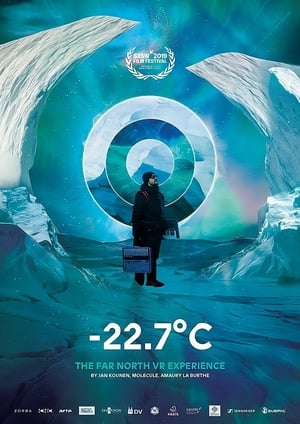
The music producer Molécule stayed in a village in Greeland, where he recorded the sounds of the Artic to compose music. The viewer follows Molécule in his adventure in the extreme North, in a sensorial and musical immersion.
Le Dernier Territoire du Lynx
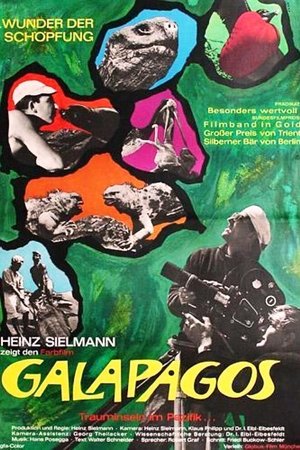
Following in the footsteps of Charles Darwin, Heinz Sielmann traveled to the bizarre volcanic islands of Galapagos. The multi-award-winning film shows the unique wildlife on the Pacific Noah's Ark.
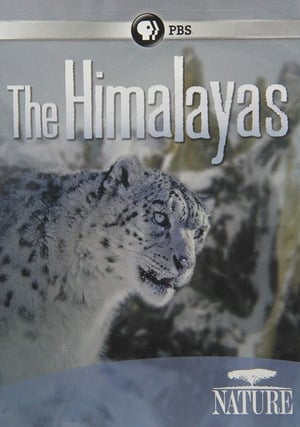
The highest mountain range in the world, the Himalayan range is far reaching, spanning thousands of miles, and holds within it an exceptionally diverse ecology. Coniferous and subtropical forests, wetlands, and montane grasslands are as much a part of this world as the inhospitable, frozen mountaintops that tower above. The word Himalaya is Sanskrit for abode of snow, fitting for a stretch of land that houses the world’s largest non polar ice masses. Extensive glacial networks feed Asia's major rivers including the Ganges, Indus, and Brahmaputra. More than a billion people rely on these glacier-fed water sources for drinking water and agriculture. The Himalayas are not only a remarkable expanse of natural beauty. They're also crucial for our survival.
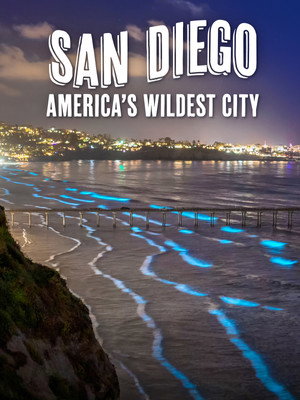
San Diego’s sand, surf, and flawless weather attract millions of visitors each year. But it isn’t just “America’s Finest City” – it’s also America’s wildest! Mountains, ocean, and desert collide here to create the most biodiverse landscape in America. But to survive in an ecosystem utterly transformed by their 3.3 million human neighbors, wildlife must adapt or perish.
Na ostrove kormoránov
Shows how the gradual changes in a pond affect living things from the end of winter to the beginning of summer. Includes extreme close-ups and photomicrography to show protozoa and other minute forms of life found in a pond.
To show the habitat, life cycle and typical activities of the Barn Swallow.
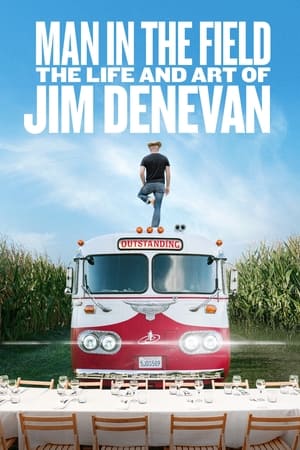
In this graceful study of the balance between solitude and community, artist and chef Jim Denevan roams across the US, transforming landscapes into breathtaking, sustainable dining experiences framed by ephemeral installation art.
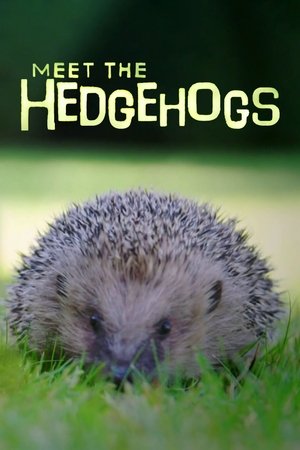
Steve Backshall visits a hedgehog rescue centre in Surrey founded by Brian May. He meets the dedicated staff and discovering the stories behind some of the animals being treated, helps to release a successfully treated hedgehog back into the wild, and offers advice on how to make a garden into a welcoming environment for the creatures.
Author Helen Macdonald follows Britain’s greatest river over four seasons, encountering salmon, beavers and the microscopic creatures helping to answer science's biggest questions.
"Inspired by my countless walks in the Middelpolder, the video mirrors my text ‘Dream of a Dutch Sky’, unfolding the Dutch landscape through three different perspectives: the camera’s , the protagonist’s and the plane’s, capturing a wanderer’s stroll."
This astounding documentary delves into the mysteries of the Tunguska event – one of the largest cosmic disasters in the history of civilisation. At 7.15 am, on 30th June 1908, a giant fireball, as bright the sun, exploded in the sky over Tunguska in central Siberia. Its force was equivalent to twenty million tonnes of TNT, and a thousand times greater than that of the atomic bomb dropped on Hiroshima in 1945. An estimated sixty million trees were felled over an area of over two thousand square kilometres - an area over half the size of Rhode Island. If the explosion had occurred over London or Paris, hundreds of thousands of people would have been killed.
Although first glance reveals little more than stones and sand, the desert is alive. Witness moving rocks, spitting mud pots, gorgeous flowers and the never-ending battle for survival between desert creatures of every shape, size and description.
Sir David Attenborough is larger than life, his distinctive voice as recognisable as his name. In this program, renowned Australian journalist Ray Martin turns the cameras away from the beloved wildlife Sir David has spent his life documenting and onto the man himself. The show is an edited interview culled from a series of sold-out events held in theatres across Australia in 2012 and 2013.
Over a 10-year period, more than 300 people disappeared from the area surrounding Tanzania's Lake Tanganyika. At first, the disappearances were attributed to a serial killer or tribal warfare, but scientists eventually discovered that the culprit was a huge, man-eating crocodile dubbed "Gustave." This fascinating PBS documentary chronicles scientists' efforts to trap Gustave and move him to a nature preserve before he strikes again.
Takes us to locations all around the US and shows us the heavy toll that modern technology is having on humans and the earth. The visual tone poem contains neither dialogue nor a vocalized narration: its tone is set by the juxtaposition of images and the exceptional music by Philip Glass.
We can't address the environmental crises of climate change and biodiversity loss if people don't care about nature, and it all starts with stepping outside and looking up. Through the lens of four inspiring women, The Birdwatchers aims to explore and break down some of the barriers preventing people from accessing nature. This film is a love letter to the world of birds, and a rallying cry for people to protect it.
A portrait of indigenous childhood: Guarani Kaiowá, Guarani Ñandeva, Baniwa and Khisetje.