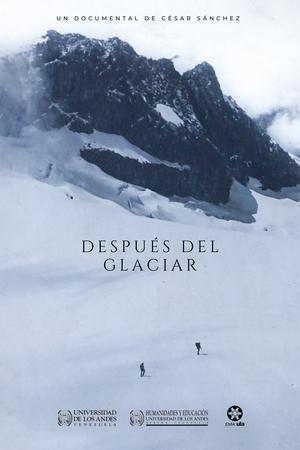
Jhonny Quintero, the only survivor of the catastrophe in Mérida, Venezuela, in 2000, relives his tragic accident in which a group of high mountain hikers were buried by a block of ice and snow. This event led to a rescue operation that lasted 16 days, known as Operation Humboldt. During this time, an arduous search was conducted to locate the missing and rescue the survivors under extreme conditions.
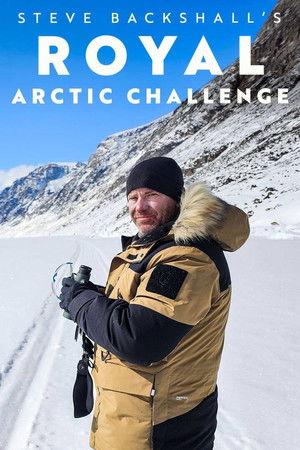
50 years on from the event, environmentalist Steve Backshall retraces a young Prince Charles' Arctic adventure and uncovers dramatic changes to our planet alongside an urgent need for action.
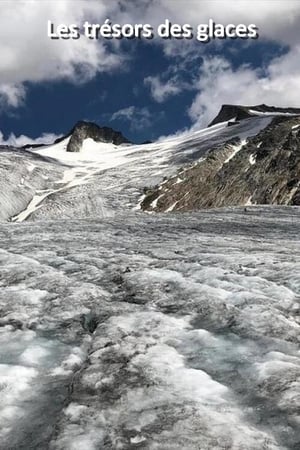
Ten percent of the earth's surface is covered by glaciers. While these frozen peaks are the planet's largest reservoirs of drinking water, they are also home to precious relics of the distant past. Like tree rings, each layer of ice provides information on past years, such as temperature and precipitation. With global warming - an environmental concern but a boon for glaciologists - these treasures are gradually being released. In 1991, for example, hikers in Italy discovered a corpse lying at an altitude of over 3,000 metres.
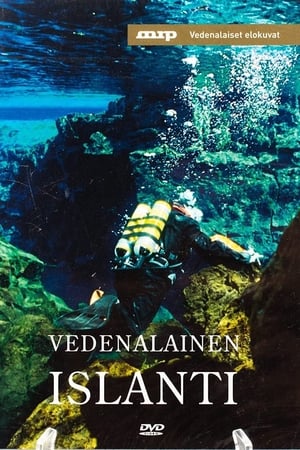
Marko Röhr's film crew takes the viewer to Europe's last unexplored area: Iceland's unique underwater world. We explore the geysers of boiling waters and the crystal clear lakes off the coast of Iceland. We dive under the icebergs, into the tears between the continental plates and into the deep caves.
This documentary follows an expedition taken by the United Nations to observe the increasingly rapid glacial melt forming at the base of the Himalayas.
the film „mandà in lunga“ follows a journey from Val Poschiavo, a valley in the Italian-speaking part of the Swiss canton of Grisons, up to the highest point of the Morteratsch Glacier, the largest glacier in the Bernina Range. Shot entirely on 16mm film and edited in-camera, the film captures the changing landscapes and atmospheric shifts along the way. The journey is musically accompanied by the organ drones and violin sounds of Laura and Luzius Schuler.
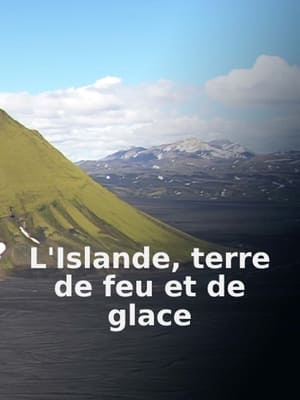
L'Islande terre de feu et de glace
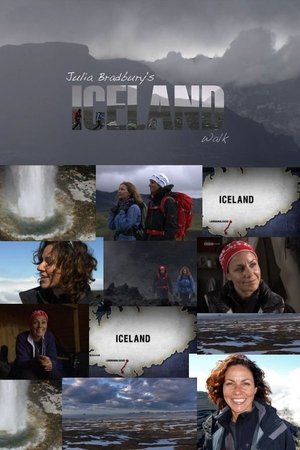
Julia Bradbury heads for Iceland to embark on the toughest walk of her life. Her challenge is to walk the 60 kilometres of Iceland's most famous hiking route, a trail that just happens to end at the unpronounceable volcano that brought air traffic across Europe to a standstill in 2010 . With the help of Icelandic mountain guide Hanna, Julia faces daunting mountain climbs, red hot lava fields, freezing river crossings, deadly clouds of sulphuric gas, swirling ash deserts and sinister Nordic ghost stories as she attempts to reach the huge volcanic crater at the centre of the Eyjafjallajökull glacier.
Le voyage de l'eau - Europe -
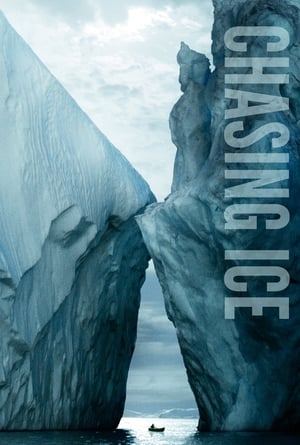
When National Geographic photographer James Balog asked, “How can one take a picture of climate change?” his attention was immediately drawn to ice. Soon he was asked to do a cover story on glaciers that became the most popular and well-read piece in the magazine during the last five years. But for Balog, that story marked the beginning of a much larger and longer-term project that would reach epic proportions.
1902, cinematography by Frank Ormiston-Smith
Released in 1901
A rope of two mountaineers surveys the Argentière glacier making their way through crevasses and seracs. A film by René Moreau, filmmaker author of other mountain films as 'L'ascension de l'Aiguille du Moine' (1924) and 'A la conquête des cimes' (1927).
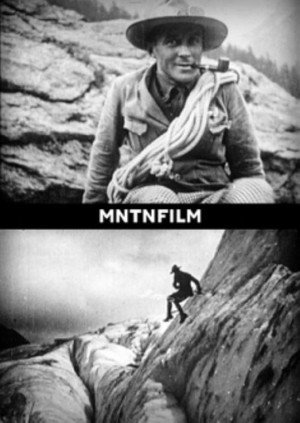
Hermann Perren, mountain guide, prepares the ascent of Dent du Requin with a companion. He checks the equipment necessary for any mountaineer, rope, ice axe, glasses, double socks and iron shoes. They leave Chamonix, cross the Mer de Glace and arrive at the Requin Refuge. The next morning, Perren and his companion cross the glacier and encounter huge crevasses and seracs, which slow their progress. They cautiously cross a snow bridge and bivouac a few hours later. The climb is more and more difficult. They reach the Requin shoulder and have to climb the vertical wall to the summit. A shortened and sounded version of the film was released in 1937 under the same title by Les Films du Sagittaire.
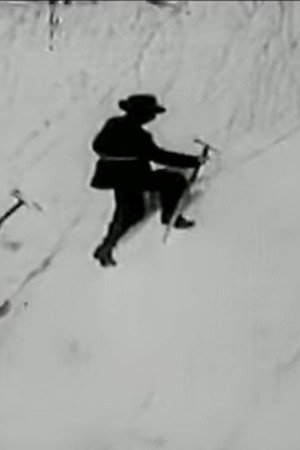
Taking footage from the film 'A la conquete des cimes', this instructional film distributed for the home market as a Pathe Baby film in two reels, makes a presentation of the mountaineering equipment and techniques. The film starts with a mountaineer wearing double socks and nailed boots; then he makes a demonstration of the rock climbing and rappeling technique. In the second reel two climbers show us the use of crampons and ice axe and the way to progress in the glacier.
1904, cinematography by Frank Ormiston-Smith.
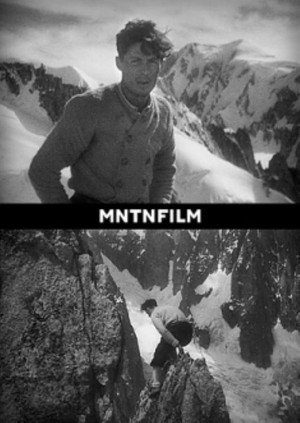
The idea is a simple one: three alpinists climb in the Mont Blanc Massif. This situation brings one face to face with the dangers of the mountain: avalanches, crevasses, fog, the climbing of the rocks, roping up, etc. All of this is magnified, transcended by a remarkable and strong use of the language of cinema. One of the first films about high mountains with Roger Frison-Roche and magnificent music by Maurice Jaubert
Four men walk accross the upper part of the Mer de Glace Glacier. All they walk unroped and using ice axes as a cane. The shot belongs to a collection of scenes that were presented together as a kind of travelogue film under the title of 'Voyages animés' in a diorama pavilion in the Universal Exhibition of Paris of 1900. The mountaineering scenes in this series include four scenes in the Mer de Glace and one in the Meije glacier. These five scenes, under a minute long, are the first mountaineering images ever filmed. Several of the 'Voyages animés' scenes were included in the Lumière catalog in 1901 under the title of 'À travers la France'.
Four roped men jump a crevasse and ascend through the seracs of the Mer de Glace using long ice axes. The shot belongs to a collection of scenes that were presented together as a kind of travelogue film under the title of 'Voyages animés' in a diorama pavilion in the Universal Exhibition of Paris of 1900. The mountaineering scenes in this series include four scenes in the Mer de Glace and one in the Meije glacier. These five scenes, under a minute long, are the first mountaineering images ever filmed. Several of the 'Voyages animés' scenes were included in the Lumière catalog in 1901 under the title of 'À travers la France'.
A mountaineering tour on a glacier in the Alps. The film follows a group of mountaineers as they leave the hostel. Then they climb up fixed ladders in snowy escarpments and reach the top of the glacier. The mountaineers, secured with ice axes and rope, progress through the ice and cross several hazardous crevassea. The group finally descend by the rocky cliffs.