Z ptačího světa
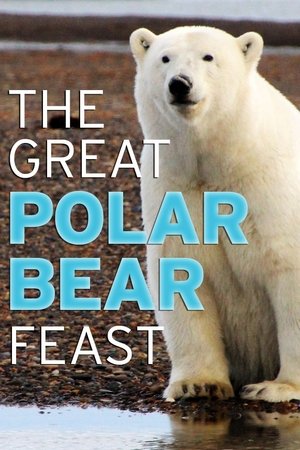
"The Great Polar Bear Feast" is the astonishing story of an annual natural phenomenon that occurs in early September on the north slope of the Arctic. Every year, up to 80 polar bears gather on the frozen shores of Barter Island, near the village of Kaktovik, to feast on the hunter-harvested bowhead whale remains.
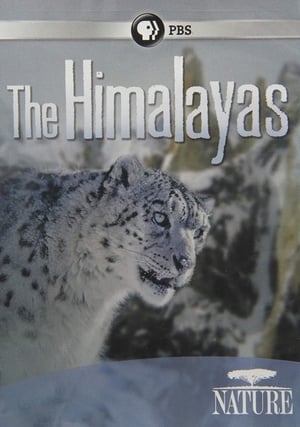
The highest mountain range in the world, the Himalayan range is far reaching, spanning thousands of miles, and holds within it an exceptionally diverse ecology. Coniferous and subtropical forests, wetlands, and montane grasslands are as much a part of this world as the inhospitable, frozen mountaintops that tower above. The word Himalaya is Sanskrit for abode of snow, fitting for a stretch of land that houses the world’s largest non polar ice masses. Extensive glacial networks feed Asia's major rivers including the Ganges, Indus, and Brahmaputra. More than a billion people rely on these glacier-fed water sources for drinking water and agriculture. The Himalayas are not only a remarkable expanse of natural beauty. They're also crucial for our survival.
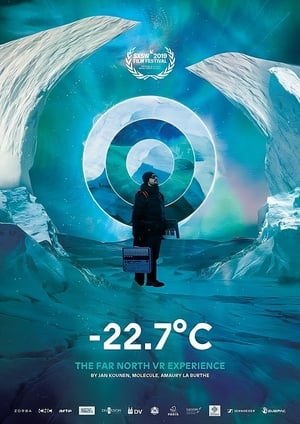
The music producer Molécule stayed in a village in Greeland, where he recorded the sounds of the Artic to compose music. The viewer follows Molécule in his adventure in the extreme North, in a sensorial and musical immersion.
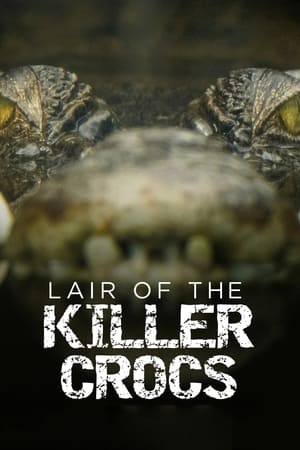
Paul "Gator Boy" Bedard and croc hunter "Crocodile Mick Pittman" journey through the Northern Territory to explore the invasion of crocodiles.
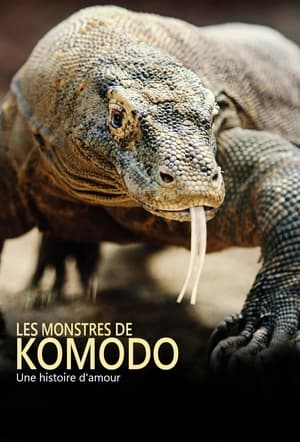
Les monstres de Komodo : une histoire d'amour
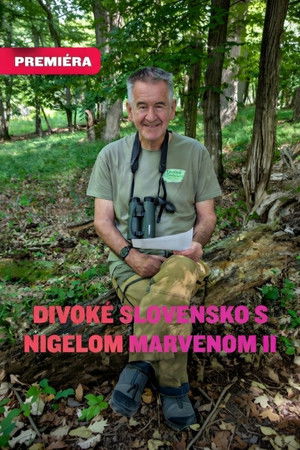
The sequel to the hugely successful documentary about the beauty of Slovak nature, featuring Nigel Marven, British wildlife filmmaker, screenwriter, presenter, and adventurer, known worldwide for his distinctive style, innovative programs, and enthusiasm. The sequel to the documentary Wild Nature of Slovakia with Nigel Marven 2 will show Slovak and international viewers that Slovakia is a "hidden gem of Europe" whose biodiversity rivals that of exotic countries around the world, with populations of bears, wolves, lynxes, and many species of birds, reptiles, and amphibians.
The lives of Ruth, Philipp, and Anja are directly linked to coal. And so they are also directly affected by the debate surrounding the coal phase-out. They are concerned about their future, but from different perspectives and in different ways. The days of coal are numbered. A coal commission is currently working on a concept for phasing out coal that includes an end date for lignite mining and power generation while ensuring that the climate protection target for 2030 is achieved. Germany already generates almost 40 percent of its electricity needs from renewable energies.
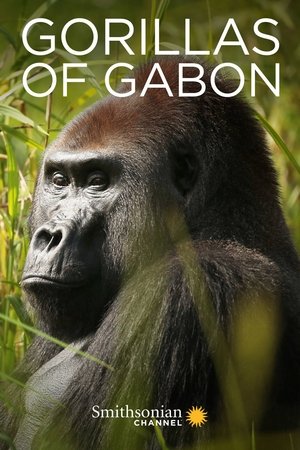
A race is on to save Gabon’s Moukalaba-Doudou National Park and the silverback gorillas that call it home. Once, this area was protected by a thriving oil industry, but now, big companies are moving out and the logging industry is poised to move in. Ecotourism could be the only way to prevent the trees of this rainforest from coming down, but a team of conservationists needs to make the gorillas of Gabon tolerant of humans first. Follow them as they get up-close with the gorillas, study their moves, and journey to war-torn Central African Republic to learn the secrets of successful gorilla habituation.
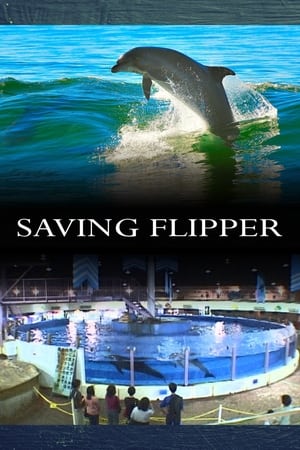
Our love affair with dolphins began with 'Flipper' and ended in a multi-million dollar industry of abuse. From the dazzling sea shows where dolphins are driven to suicide, to an annual dolphin slaughter in a small cove in Japan, 'Saving Flipper' reveals the nightmare behind the dolphin's indelible smile.
Povo da Floresta
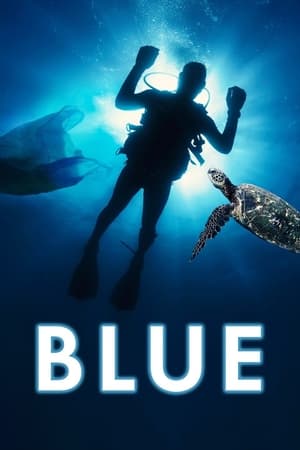
From space, our planet appears as a tiny blue dot in the vastness of space. Blue, because 99% of all living space on Earth occurs in the Ocean. But the seas are under threat. The industrialization that has occurred in the oceans over the last century mirrors the events that triggered mass extinctions on land. As we learn of the ecological crimes occurring worldwide, we also uncover the shocking truths happening on our own shorelines.
The Hoolock Gibbons of Bangladesh have been brought to the brink of extinction by the relentless destruction of their forested habitats throughout the country, even in the most highly protected forest reserves. This species used to number in the tens of thousands, but are now down to the last 200 or so.
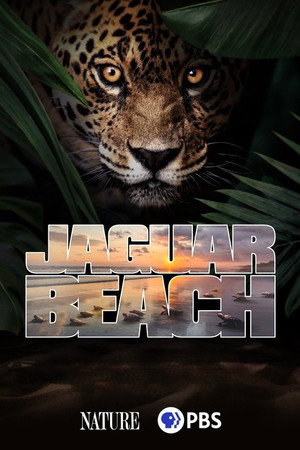
In a remote region on the Pacific coast of Costa Rica, a lush landscape characterized by volcanoes meets tropical dry forest. Right there is a very special beach where two completely different species meet: sea turtles and jaguars. This has spectacular consequences for both sides and their environment. The two animals form an alliance that is as surprising as it is unintentional. The predator suddenly becomes a protector.
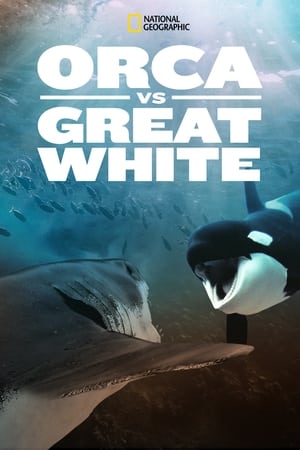
Researchers investigate whether orcas have begun hunting great white sharks off the coast of New Zealand.
Hlavátky
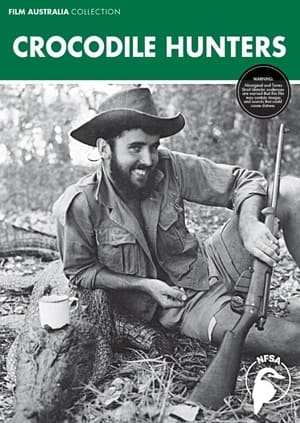
In the estuaries and lagoons of the Northern Territory, freshwater and saltwater crocodile are hunted for their hides by both Indigenous and non-Indigenous hunters. This film shows Aboriginal people using age-old hunting techniques to land crocs either for food or for skins. The methods employed by the professional hunters, who earn as much as 3000 pounds during the season, are also depicted, followed by a brief look at how the hides are skinned and prepared before being transported to the leather factories of Sydney and Melbourne.
notice sur la métamorphose
From both ends of the Arctic, Nikita in Siberia and Martha in Alaska send a distress signal as the ground sinks beneath their feet and fossil fuel companies greedily expand into the far north.
What happens when a world that relies on traffic and the logistics that allow it comes to a standstill? What happens when sickness and even death are taken from us?