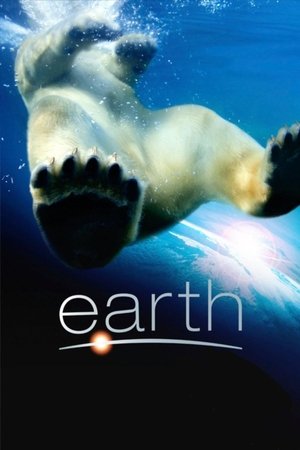
An epic story of adventure, starring some of the most magnificent and courageous creatures alive, awaits you in EARTH. Disneynature brings you a remarkable story of three animal families on a journey across our planet – polar bears, elephants and humpback whales.
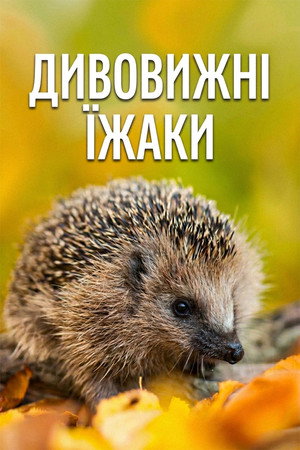
It's springtime, the air is tepid, the skylarks chirp, and spring flowers cover the meadows and the forest grounds. Out of a pile of leaves a fluttery, sniffling snout tip appears: it's a hedgehog awakening from its winter sleep heading into the light of a new year, having only two things in mind: food and finding a partner.
Goddess
This short documentary focuses on a man-made island that became the first federal sanctuary for wildlife in Canada. Situated an hour east of Edmonton, it houses one of the world's densest collections of wildlife, maintained by Parks Canada. Elk Island offers a glimpse of the behind-the-scenes activity of the island.
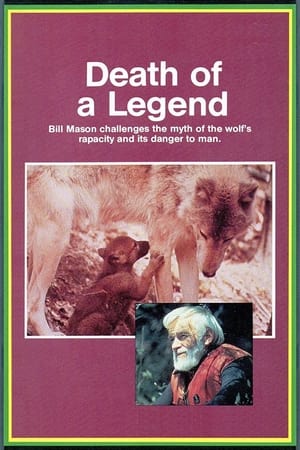
This documentary film is about wolves and the negative myths surrounding the animal. Exceptional footage portrays the wolf's life cycle and the social organization of the pack, as well as film of caribou, moose, deer and buffalo.
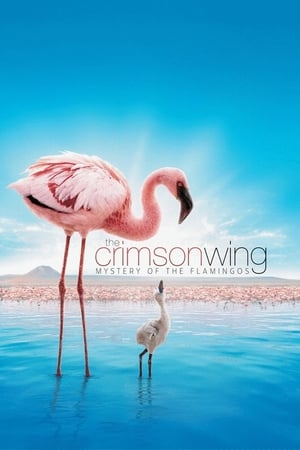
In the remote and forgotten wilderness of Lake Natron, in northern Tanzania, one of nature's last great mysteries unfolds: the birth, life and death of a million crimson-winged flamingos.
A wildlife filmmaker tries to keep up with a Cheetah mom determined to keep her cubs alive.
Život v lese
When temperatures drop in Montana, wild bison migrate to lower elevations outside the boundaries of Yellowstone National Park. But once outside, they run the risk of being killed because some carry a chronic disease called brucellosis that ranchers fear could spread to cattle.
Sa majesté le cerf
In the daily struggle for survival, terrible thirst drives wildlife to water...even when the water is just inches away from the jaws of a crocodile. During one harsh season, a punishing drought draws some of Africa's most magnificent creatures to the shrinking pools of the Luvuvhu River. Its dwindling waters provide relief for baboons, impala, elephants, lions, water birds and bee-eaters - but also a refuge for scores of hungry crocodiles. Amidst the stunning scenes of nature at its harshest, strange things happen. A baby crocodile basks on top of a hippopotamus. Baboons attack a crocodile that has taken a youngster from the troop. Crocodiles harass a heron and steal its hard-won catch. And hippos calmly wade into the middle of a crocodile feeding frenzy. But the power of nature and her relentless drought may prove greater than even that of the most fearsome beasts. This cruel season may turn out to be the LAST FEAST OF THE CROCODILES.
The film "Wild Animals of Virginia" explores the diverse wildlife inhabiting Virginia's forests, fields, and waterways. It highlights various species such as chipmunks, squirrels, woodchucks, beavers, muskrats, minks, otters, raccoons, elk, white-tailed deer, cottontail rabbits, foxes, black bears, opossums, bobcats, and skunks. The documentary emphasizes the natural laws governing these animals, their habitats, diets, and behaviors, while also touching on their historical significance and interactions with early settlers.
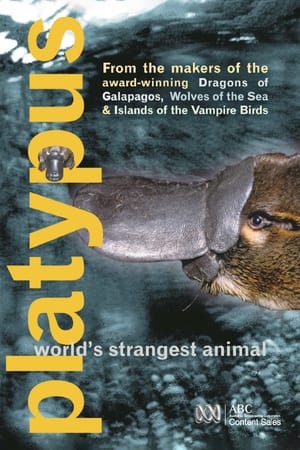
One of only two living mammals to lay eggs, the platypus has baffled and inspired the scientific community for hundreds of years. Three years in the making, this stunning natural history film takes us down the East Coast of Australia to the many serenely beautiful habitats of the platypus. Technology specially created for this film captures images from inside the nesting chamber of a wild platypus, and records the extraordinary sounds of the mother suckling her offspring. We watch as they grow from newborns to adulthood. Join renowned documentary makers David Parer and Elizabeth Parer-Cook (Dragons of Galapagos, Wolves of the Sea) on this fascinating journey from the rainforests of Queensland to the frozen mountains of Tasmania, as they reveal new insights into this mysterious creature.
David Attenborough and scientist Johan Rockström examine Earth's biodiversity collapse and how this crisis can still be averted.
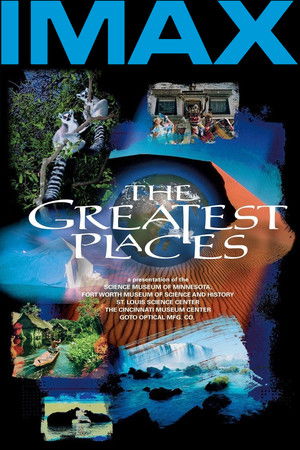
A journey to seven of the most geographically dynamic locations on earth. The film features spectacular land forms, diverse wildlife and the people and cultures indigenous to these places. Distinct geographic places include the great island of Madagascar, home to unique limestone pinnacles and the playful lemur; and the greatest desert—the Namib—home of the largest sand dunes in the world that tower majestically over its western border, the Atlantic Ocean. Other locations featured are the great icecap of Greenland, Iguazu Falls in Brazil, the Okavango Delta in Botswana, the Chang Tang Plateau in Tibet, and the Amazon River in South America.
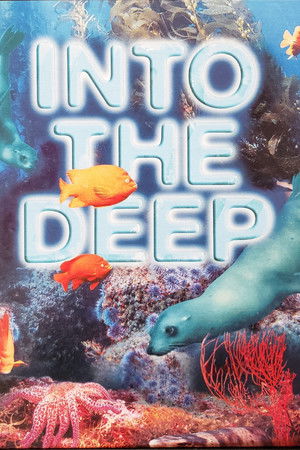
An underwater exploration beneath kelp forests in the Pacific Ocean off the coast of Southern California. The film captures the birth of a shark, squids mating, a lobster molting, a fish protecting its nest from an octopus and a sea urchin, and the sea bed covered with brittle stars.
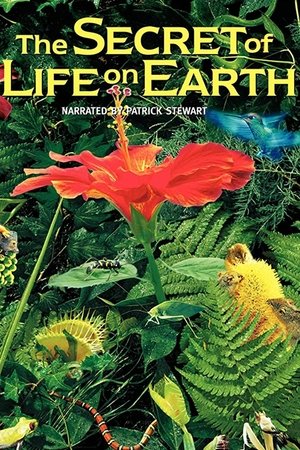
A breathtaking adventure across five continents and through time to reveal nature's most vital secret. Watch a flying fox gorge itself on a midnight snack of figs. Climb into the prickly jaws of insect-eating plants. Witness a mantis disguised as a flower petal lure its prey to doom.
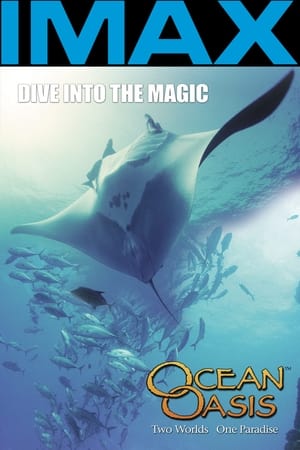
Ocean Oasis is a fascinating journey into the bountiful seas and pristine deserts of two remarkably different, but inextricably linked worlds — Mexico's Sea of Cortés and the Baja California desert.
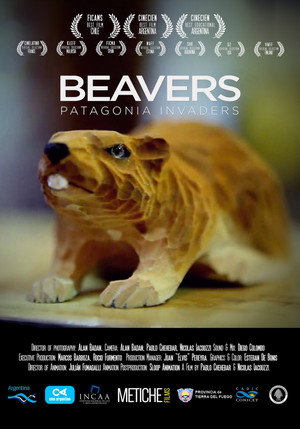
In 1940 twenty Canadian Beavers were brought to 'Tierra del Fuego' island in southern Patagonia for commercial fur production. However, beavers having no natural predators, quickly spread throughout the island, causing massive destruction of trees threatening the entire Patagonian forests rivers and species. Why wildlife conservationist are convinced that 150.000 beavers must be killed? Why some of the most recognized specialist are convinced that an eradication is not possible? Meanwhile truism is capitalizing on the situation: a man dressed as a beaver passes out flyers promoting a famous sky resort: 'Cerro Castor' - Beaver Hill. Hunters claim for subsidies, scientists are researching, rangers do what they can and restaurants tray to offer beaver meat to tourist.
Living on the prairies during the summer, the Swainson Hawk flies 11,000 km to Argentina for the winter. But toxic pesticides pose a serious threat to these majestic birds. Dr. Stuart Houston and his team use satellite technology along with traditional bird-banding to greatly increase our knowledge of the lives of migratory birds.