Girl Boss Ruriko and her cellmates escape from a greedy corrupt reform school that's more interested in cheating the government out of money than reformation. Each having their own reasons for escaping, they go their separate ways. With the help of a young mechanic, who's also on the lam, Ruriko tries to realize her dream of leaving the island of Japan behind. But the authorities are always one step behind her...
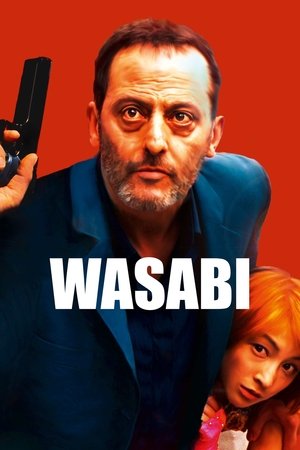
A cabdriver and a cop race to Paris to rescue a love interest and the Japanese minister of defense from kidnappers.
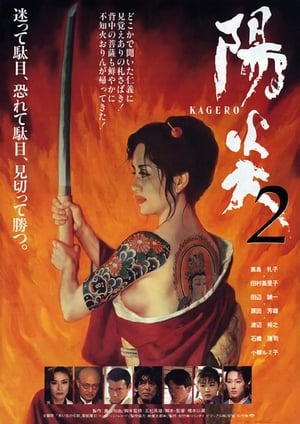
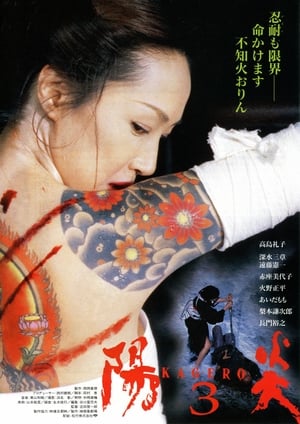
An assassin is shot by her ruthless employer, Bill, and other members of their assassination circle – but she lives to plot her vengeance.
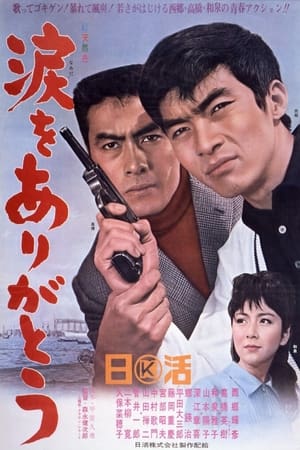
The story deals with a juvenile delinquent gang surviving through petty thievery. However, everything gets screwed up when they accidentally steal big bucks from the Yakuza.
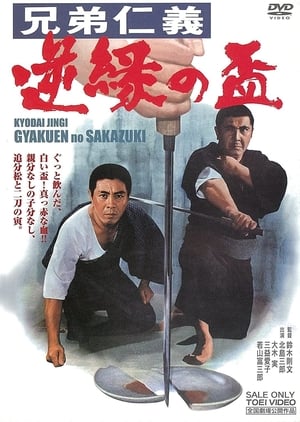
This is one of the many films based on the legend of Chuji Kunisada, a wandering gambler and a defender of the weak in the Edo period. In other words, he was the Japanese Robin Hood. In this film Kunisada (Chiezo Kataoka) arrives to a small town terrorized by an evil gang. He insists that he is not Kunisada, as the word is Kunisada has been executed, but of course the audience know better. Sonny Chiba plays an unusual supporting role as a helpless young man unable to defend himself from the gangsters. He does, however, get to play taiko drums and dance with Junko Fuji (who makes her film debut here). Chiba's father, an old judge who helps Kunisada, is played by Takashi Shimura. The film hardly anything exceptional, but it's a pretty decent jidai geki / yakuza drama.
Osaka, 1907: Asajiro lives between a rock and a hard place: he has to keep his business clean and running, tame his late oyabun’s hot-blooded son and suffer the throes of his impossible love for beautiful geisha Hatsue.
Murakawa, an aging Tokyo yakuza tiring of gangster life, is sent by his boss to Okinawa along with a few of his henchmen to help end a gang war, supposedly as mediators between two warring clans. He finds that the dispute between the clans is insignificant and whilst wondering why he was sent to Okinawa at all, his group is attacked in an ambush. The survivors flee and make a decision to lay low at the beach while they await further instructions.
Shinjuku gangster Sabu and his young wife Koiko try to live a normal life, despite the interferences of gang politics and criminal deals. After she saves his life, Sabu's gang-boss, Tominaga, falls in love with Koiko, and sends Sabu into increasing dangerous situations, hoping to cause his arrest, and thus obligate himself to "take care" of Koiko while Sabu is in prison.
A lethal assassin for a secret Chinese organisation, who sheds tears of regret each time he kills, is seen swiftly and mercilessly executing three Yakuza gangsters by a beautiful artist. She is captivated by the grace of his kill and later falls in love with him. An intense power struggle for the leadership of the Yakuza Clans ensues as they seek vengeance for the death of their leader.
Dolls takes puppeteering as its overriding motif, which relates thematically to the action provided by the live characters. Chief among those tales is the story of Matsumoto and Sawako, a young couple whose relationship is about to be broken apart by the former's parents, who have insisted their son take part in an arranged marriage to his boss' daughter.
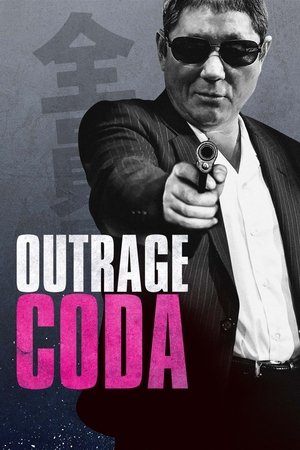
Teru (Yutaka Kyan) is abruptly summoned to the Himuro-gumi office, where a tense Himuro (Yasukaze Motomiya) and Tamura (Yoshiyuki Yamaguchi) give him an unexpected task. A legendary Kyowakai yakuza known as “Hitokiri Jiro,” Fujita Jiro (Hajime Tsukumo), is being released on parole after 30 years, and Teru is to welcome him in their place. Expecting a fearsome figure, Teru instead meets a prison-worn old man who asks for work. Refusing Himuro’s offer to look after him within the organization, Jiro insists on living quietly as a civilian. He is sent to work at a kushiyaki restaurant, where his long absence from society quickly causes trouble. Meanwhile, Teru learns Jiro has family and sets out to find them, hoping to show them the man he has become.
A fearless man confronts a yakuza organization pushing the envelope of extravagant & all sorts of violence.
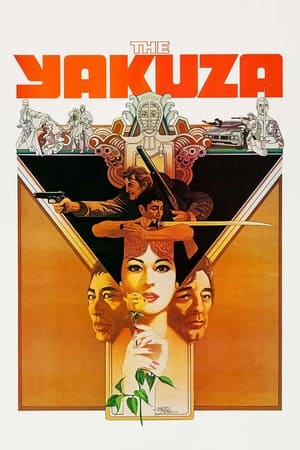
Two New York cops get involved in a gang war between members of the Yakuza, the Japanese Mafia. They arrest one of their killers and are ordered to escort him back to Japan. However, in Japan he manages to escape, and as they try to track him down, they get deeper and deeper into the Japanese Mafia scene and they have to learn that they can only win by playing the game—the Japanese way.
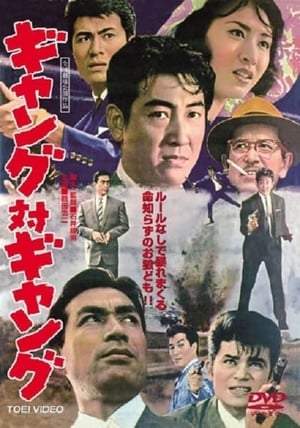
Sabu and his pals hold a pauper's funeral for Sabu's mother. His brother Jiro arrives home, fresh out of jail, and Sabu pointedly states that Jiro is not invited. Jiro meanwhile is planning a big job - steal 40 million in cash and drugs, and he invites Sabu and gang to act as decoys, for 50,000 each. The sting is a success, but the double-crossing starts almost immediately. Sabu discovers how little of the take they were promised and hides the stash. Jiro and his slimy partner pressure the kids to fess up. Meanwhile, their respectable elder brother Ichiro is being leaned on by the town's big boss, whose money it was.
A young executive has a really bad night after an encounter with a crazed bisexual wannabe yakuza and his horny girlfriend.
Grown up son arrives home to learn his father, the newly elected mayor, has been assassinated. So he journeys down a path to find the assassin and gets involved with two opposing yakuza gangs.
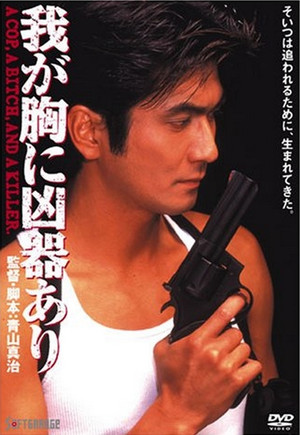
After botching his latest assignment, a third-ranked Japanese hit man becomes the target of another assassin.
A barkeeper saves a yakuza boss' life and thus makes his way up in the organization. However, his fear of nothing soon causes problems.
President of the territorial yakuza organization is being manipulated by a crooked leader in the military and some capitalists Ishikiri. The plan is to get multiple family of the organized crime groups based in Osaka to war it out and order the Shima to the Onishi group of the branch to expand the territory. Now members of the same yakuza gang are forced to fight each other over territory and honor.
For yakuza, negotiation is another life-or-death battlefield. How do they turn the tables in overwhelmingly unfavorable situations, convincing black to be white? What supports their astonishing negotiation tactics? With methods like logical arguments, complaints, provocations, accusations, and nitpicking, their negotiation style hides secret techniques that are now unveiled!!