Short film made on the production of HOWL OF THE DEVIL.
The picture shows various kinds of birds in their natural environments, and in their natural colors, and at such close range that the very eyes of the little fledglings in the nest are easily discerned. Every feather seems distinct and the birds seem to be in such relief that it appears as though one could almost reach out and catch them.
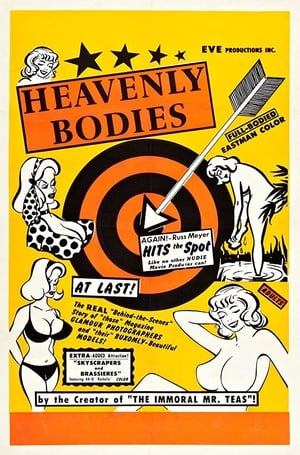
A group of filmmakers shadow some glamour photographers in order to discover the skill involved in getting 'magic' to appear on the photos.
In interviews, various actors and directors discuss their careers and their involvement in the making of what has come to be known as "cult" films. Included are such well-known genre figures as Russ Meyer, Curtis Harrington, Cameron Mitchell and James Karen.
Almost 50 years after the film’s release, all the Overlook Hotel’s sets are thought to have been destroyed, but one last filming site remains.
This short explores the possibility that Louis XVII, son of King Louis XVI and Marie Antoinette, escaped death during the French Revolution and was raised by Indians in America.
Featuring Interviews with Noel Cunningham, Sean S. Cunningham, Kane Hodder and Todd Farmer. Discussions include writing and pre-production, the influence of Scream's success on the film, early concepts for the film, settling on outer space, plot and setting details, shooting 3-perf film, visual effects, ditched concepts, über Jason, audience reaction, and more.
John Milius narrates this featurette on the Clint Eastwood classic.
The Dardenne brothers discuss their early documentary films, their relationship with Armand Gatti (who inspired them to become filmmakers), the impact various political events had on their career and work and the shooting of When Leon M.s Boat Went Down the Meuse for the First Time.
This film is a poetic exploration of the human spirit, resilience, and the transformative power of art in the face of unimaginable trauma.
Distressing accounts and images of historical warfare and the ongoing issues of a population suffering from hunger fill this short documentary about the North Ethiopian region of Tigray.
Brian Bolland’s artwork is instantly recognizable to comic book enthusiasts all over the world. Known for his amazing cover art, it was a rare inclusion into the body of a graphic novel, Batman: The Killing Joke, that helped the perennial story of Batman and The Joker remain a fan favorite for decades to come. Combined with the graphic novel’s original script – which is more than just the telling of a story, but an intricate map explaining every stop along the way to the end of a fantastic journey – this documentary reveals the artistic process behind The Killing Joke’s distinct style. We’ll learn how artists and writers excelled at conveying story and human emotion one panel at a time, mesmerizing readers with unforgettable stories and humanized depictions of heroes and villains. And why after nearly 30 years in print, Batman: The Killing Joke is more thought provoking than ever, as its socio-economic themes are relatable to generation after generation.
Sir Ian McKellen and Richard Loncraine talking about making the film.
Noemí, an Ayuukjä'äy woman reflects on the loss of her native tongue with a voice that blends into day to day life in Cerro Costoche community located in the Mixe mountain rage of Oaxaca.
The Making of feature for the George Lucas movie 'THX 1138'.
Fidgeting fish, dancing on the train, big stages – we scroll through a phone gallery. How do you find your own identity between ever-changing trends? When do the borders between real and virtual life blur? A documentary about a self-made musician who wants to stand her ground in a digital world.
A multimedia short created for the U.S. millennium celebrations, The Unfinished Journey reflects on America’s history and spirit through six chapters—immigration, war, culture, civil rights, and innovation. Commissioned by President Bill Clinton and premiered at the Lincoln Memorial on New Year’s Eve 1999, the film features an original orchestral score by John Williams titled American Journey.
WHY WE JUGGLE is a portrait of six artists from all over the world and their motivations for juggling. Through juggling, individual worldwide conflicts are being told. For the protagonists, playing with gravity is a counterpart to their harsh realities and a way to escape them for a few moments.
A short retrospective documentary looking at the making of the final Hammer Films production of the 1970s, "To the Devil a Daughter."
A documentary on the making of Curtains