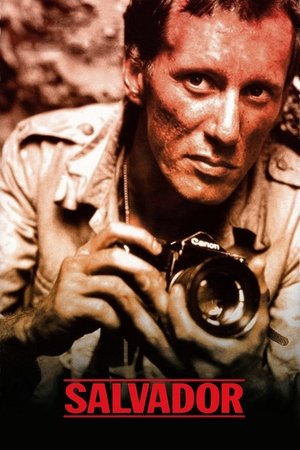
In 1980, an American journalist covering the Salvadoran Civil War becomes entangled with both the leftist guerrilla groups and the right-wing military dictatorship while trying to rescue his girlfriend and her children.
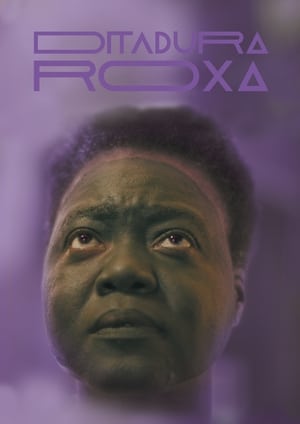
Vera, imprisoned at a military fortress during the dictatorship, 1969, get to know a soldier, Armando, who, in the face of torture, decides to take messages from Vera to his family and establishes an affective relationship with D. Maria, Vera’s mother. Despite the horrors of the time, the film works on this possibility of a dialogue between two lonely and lost human beings: a high-middle-class lady and a young southerner of rural origin. Today, Vera, aged 70, is a professor at the university, and debates with her students about politics, forgiveness and Hannah Arendt.
Brazil, 2030. The sisters Alayr and Sabrina are hearing on the cell radio the judgment that could change the course of a country "without energy". They are surprised by Fátima, the sister who returns from the dead to fraternize on this historic night.
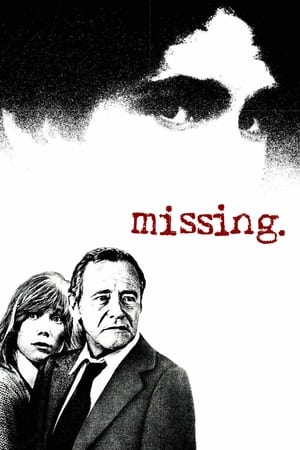
Based on the real-life experiences of Ed Horman. A conservative American businessman travels to Chile to investigate the sudden disappearance of his son after a military takeover. Accompanied by his son's wife he uncovers a trail of cover-ups that implicate the US State department which supports the dictatorship.
This is the story of Pablo, a young uruguayan exiled in México, whose father was disappeared during the military dictatorship.
Based upon the true story of Olga Benário, the German-born wife of Brazilian communist leader Luís Carlos Prestes. During the dictatorship of Getúlio Vargas (1930-1945) she was arrested and sent to Nazi Germany, where she was put to death in a concentration camp. After World War II began, Vargas decided to uphold the Allies.
Polo is pressured by his father to work and help with the household expenses. Faced with the lack of support in a town devoid of opportunities, Polo and his friends join forces to commit a robbery during Holy Week, while the traditonal burning of the "Chan Chan" is being celebrated; however, their objective changes when they discover some secrets circulating in the town.
In Russia, criticizing the war in Ukraine or Vladimir Putin’s regime has become a crime. Thousands of ordinary citizens are being arrested, tried, and imprisoned. They are called “Politzek”: political prisoners. Filmed clandestinely over the course of more than a year, Politzek gives a platform to those who, despite the fear, continue to speak out against Putin’s repressive Russia. Through the intersecting stories of a teenager sentenced to five years in prison for criticizing the government on social media, a young artist jailed for placing anti-war stickers, a human rights activist, and two theater directors facing Kafkaesque trials, the film unveils the machinery of state repression in Russia. With rare footage, broken yet unyielding voices, this is a story of silenced resistance.
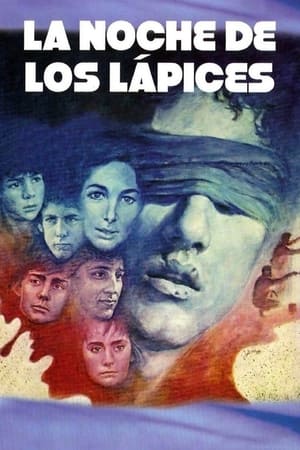
The Night of the Pencils was a series of kidnappings and forced disappearances, followed by the torture, rape, and murder of a number of young students during the last Argentine dictatorship (known as the National Reorganization Process). The kidnappings took place over the course of several days beginning on September 16, 1976.
On Christmas Eve, Dejair, a former resistance fighter against the military dictatorship, gathers with his family in the backyard. During a Secret Santa game, the contrast between appearances and private truths emerges. A water gun gift leads Dejair to denounce the absurdity of giving a child a weapon.
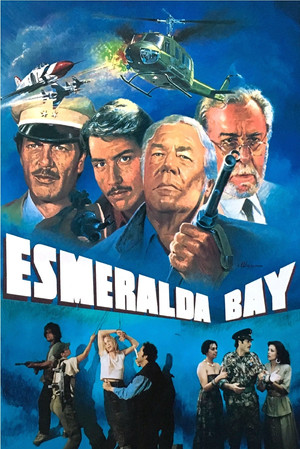
A priest secretly leads rebels in their struggle against the corrupt military dictatorship of the Central American country of Puerto Santo.
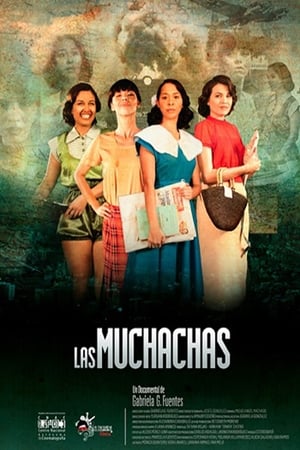
Four lucid grandmothers tell their story forgotten by history: the militancy and resistance of the young women of the leftist youth against the dictatorship of Marcos Pérez Jiménez.
During the 1980s civil war in El Salvador, a rebel group of leftist guerrillas fight to expose its government's death squads via an underground radio network and hope to end their government's reign of terror with the help of an American journalist.
An American doctor gets caught in the middle of a revolution when he's forced to operate on a South American dictator.
Amanda and Julian are doing their best to rear their five sons during the repressive dictatorship of Ferdinand Marcos. Though the parents view themselves as apolitical, most of their sons bristle at life under martial law and turn to various forms of activism -- or to simple teenage rebellion -- for release. After the family becomes the victim of extremist violence, Amanda begins to find her own dissident voice.
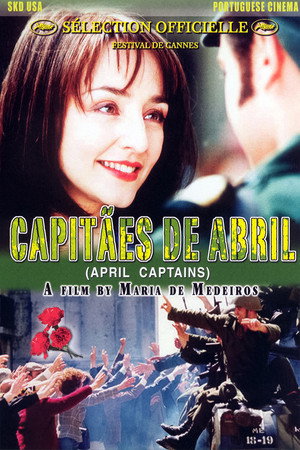
Story of the 1974 coup that overthrew the right-wing Portuguese dictatorship--which continued the fascist policies of long-time dictator Antonio Salazar--and of two young army captains who were involved in it.
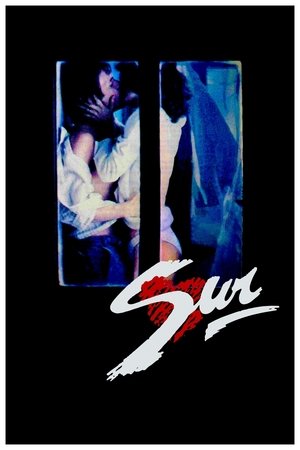
After the end of the military dictatorship in Argentina in 1983, Floreal is released from prison. Instead of returning to his wife, he wanders through the night of Buenos Aires. He meets some people from his past–most of which are only imaginary–and remembers the events of his imprisonment.
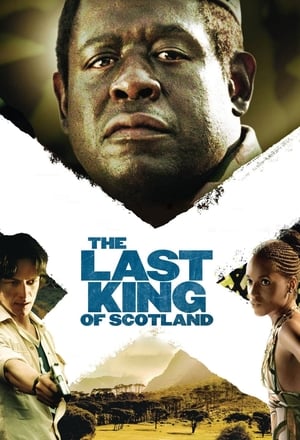
Young Scottish doctor, Nicholas Garrigan decides it's time for an adventure after he finishes his formal education, so he decides to try his luck in Uganda, and arrives during the downfall of President Obote. General Idi Amin comes to power and asks Garrigan to become his personal doctor.
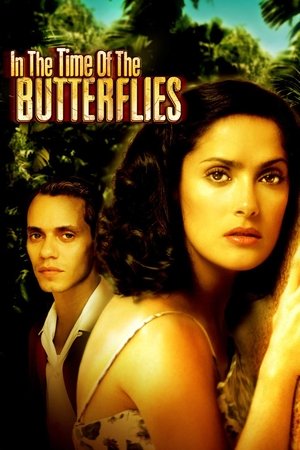
Based on the book by Julia Alvarez. Three sisters become activists during the Dominican Republic's Trujillo regime when members of their family are killed by the government's troops.
21 sequence shots depict moments in a defining night of the Battle of Rua Maria Antônia, in October 1968, from the point of view of the students and professors of the Left-wing Student Movement, in the Philosophy Faculty building of USP.