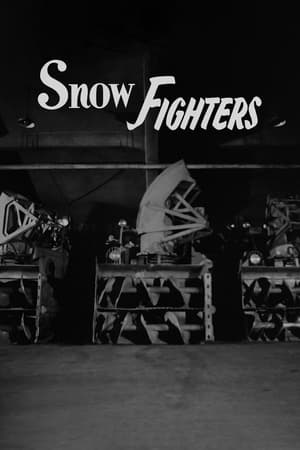
A close-up of a snow-bound city, and the men, money and machinery it takes to dig it out.
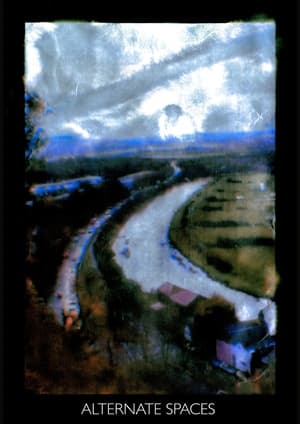
A short documentary on the River Ouse, following it downstream from Lewes to Newhaven, meditating on the surrounding area.
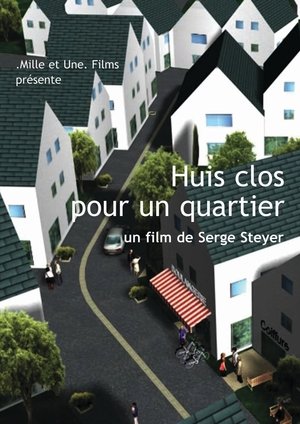
Huis clos pour un quartier
The human side of town planning, as exemplified in Baltimore, Maryland. The Coldspring Project concerned a proposed housing development for lower and upper income levels on a three hundred-acre site adjoining a wildlife sanctuary. The film records the differences aired in meetings of various interest groups that tried to modify the plan according to their views, and the compromise reached, based on plans drawn up by Montréal architect Moshe Safdie.
The documentary offers an overview of the district of Cidade Tiradentes and its inhabitants. It starts by the acquisition of land by the public authorities from the 1970s onwards, to the occupation of what is today one of the largest housing projects in Latin America.
This short documentary film is a fascinating portrait of urban and rural Quebec in the late 1960s, as the province entered modernity. The collective work produced for the Quebec Ministry of Industry and Commerce calls on several major Quebec figures.
This feature documentary takes a look at how the Halifax/Dartmouth community in Nova Scotia was stimulated by a week-long session held by a panel of specialists from different fields who met with members of this urban community to consider the future of the area and the responsibility of the citizens and government in planning the future.
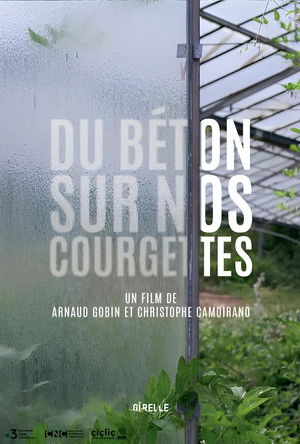
Du béton sur nos courgettes
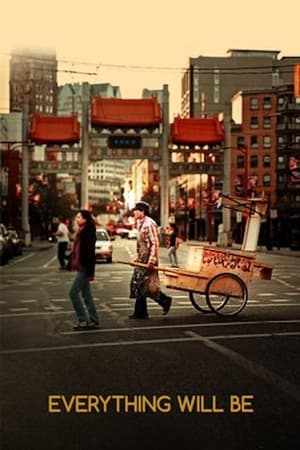
Sundance award-winning director Julia Kwan’s documentary Everything Will Be captures the subtle nuances of a culturally diverse neighbourhood—Vancouver’s once thriving Chinatown—in the midst of transformation. The community’s oldest and newest members offer their intimate perspectives on the shifting landscape as they reflect on change, memory and legacy. Night and day, a neon sign that reads "EVERYTHING IS GOING TO BE ALRIGHT" looms over Chinatown. Everything is going to be alright, indeed, but the big question is for whom?
In the town of Xoco, the spirit of an old villager awakens in search of its lost home. Along its journey, the ghost discovers that the town still celebrates its most important festivities, but also learns that the construction of a new commercial complex called Mítikah will threaten the existence of both the traditions and the town itself.
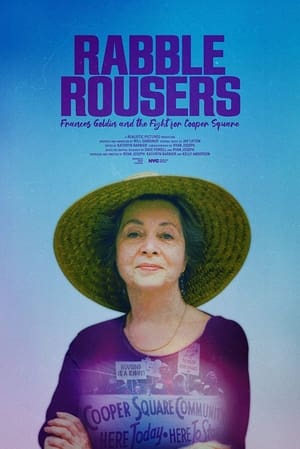
In 1959 New York City announced a "slum clearance plan" by Robert Moses that would displace 2,400 working class and immigrant families, and dozens of businesses, from the Cooper Square section of Manhattan's Lower East Side. Guided by the belief that urban renewal should benefit - not displace - residents, Frances Goldin and her neighbors formed the Cooper Square Committee and launched a campaign to save the neighborhood. Over five decades they fought politicians, developers, white flight, government abandonment, blight, violence, arson, drugs, and gentrification - cyclical forces that have destroyed so many working class neighborhoods across the US. Through tenacious organizing and hundreds of community meetings, they not only held their ground but also developed a vision of community control. Fifty three years later, they established the state's first community land trust - a diverse, permanently affordable neighborhood in the heart of the "real estate capital of the world."
In this documentary, Marie-Claire Rubinstein reveals to us, through the testimonies of the inhabitants who live there, the architectural achievements of the French urban planner Fernand Pouillon in Algiers. In particular the vast complexes of hundreds of social housing units, including the most famous Diar E Saâd (1953), Diar El Mahçoul (1954) and Climat de France (1957). The historical context, during the war of independence is related by the historian Benjamin Stora and Nadir Boumaza. This documentary also evokes the personality of Fernand Pouillon in a post-colonial context.
Documentary on the revitalization of a housing complex in a working class neighborhood of Montreal. Modern housing has now replaced the old, sagging and overcrowded houses. There is fresh air, light and hope. Habitations Jeanne-Mance, a bold way to renovate a city: a perfect example of the collaboration that can exist at the federal, provincial and municipal levels.
Architect Stanley King involves the local Vancouver community in urban design.
This feature documentary zooms in on the city of Sapporo, on the Island of Hokkaïdo in southern Japan. In contrast to the unplanned sprawl of neighbouring industrialized cities, Sapporo appears to be one of the best-planned large cities in the world, combining growth and technology with town planning and the preservation of green spaces.
In the city of Saskatoon, Saskatchewan, an effective government policy of controlling land investment prevents speculation, keeps land prices down, and provides a good balance between commercial, residential and public areas.
Bridgeview, British Columbia is less than 30 kilometres from downtown Vancouver. The residents were promised a sewer system in 1953, but more than 20 years later the sewer system has yet to be built.
Canada is facing a housing crisis, and cooperative housing might be a part of the solution.
Shows a campaign launched in Halifax in 1967 to probe the core of poverty in that city--low incomes, ill health and inadequate housing affect more than twelve thousand people in the central area. The project combines the efforts of local agencies with those of government agencies to alleviate these conditions.
Legault is an aging man who lived in a rural cabin, now a suburban cabin, as developments have popped up around him.