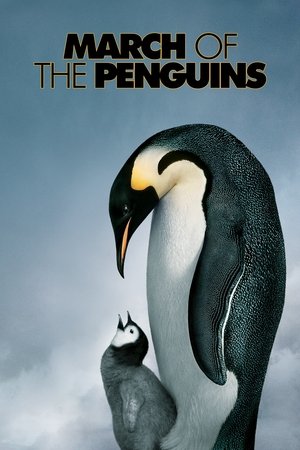
Every year, thousands of Antarctica's emperor penguins make an astonishing journey to breed their young. They walk, marching day and night in single file 70 miles into the darkest, driest and coldest continent on Earth. This amazing, true-life tale is touched with humour and alive with thrills. Breathtaking photography captures the transcendent beauty and staggering drama of devoted parent penguins who, in the fierce polar winter, take turns guarding their egg and trekking to the ocean in search of food. Predators hunt them, storms lash them. But the safety of their adorable chicks makes it all worthwhile. So follow the leader... to adventure!!
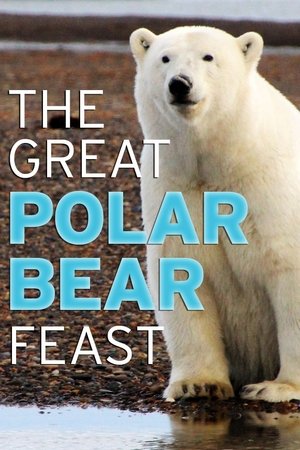
"The Great Polar Bear Feast" is the astonishing story of an annual natural phenomenon that occurs in early September on the north slope of the Arctic. Every year, up to 80 polar bears gather on the frozen shores of Barter Island, near the village of Kaktovik, to feast on the hunter-harvested bowhead whale remains.
It's a warm spring night, and the bee cowboys of Prince Edward Island begin rounding up their hives.
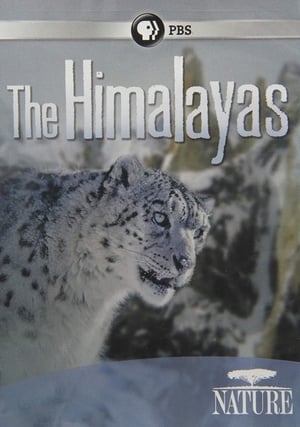
The highest mountain range in the world, the Himalayan range is far reaching, spanning thousands of miles, and holds within it an exceptionally diverse ecology. Coniferous and subtropical forests, wetlands, and montane grasslands are as much a part of this world as the inhospitable, frozen mountaintops that tower above. The word Himalaya is Sanskrit for abode of snow, fitting for a stretch of land that houses the world’s largest non polar ice masses. Extensive glacial networks feed Asia's major rivers including the Ganges, Indus, and Brahmaputra. More than a billion people rely on these glacier-fed water sources for drinking water and agriculture. The Himalayas are not only a remarkable expanse of natural beauty. They're also crucial for our survival.
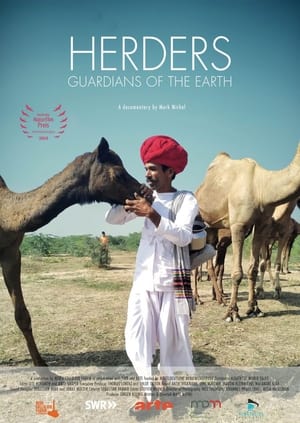
A graceful and moving meditation on a disappearing way of life. Tender and unsentimental at the same time. Set in landscapes of remarkable size and beauty, the film portrays the world of the often invisible and marginalized pastoral cultures that exist all over the world. The film captures the beauty and harshness of this dying way of life, explores the deep and ancient partnerships between humans and animals, and tells of a type of food production and way of life that gives back more to nature and humanity than it takes away. The ancient practices of nomadic pastoralism contain a wisdom that deserves to be preserved and protected. It is time for a tribute. And a chance to rethink.
Görsel
Slighean Samhach
The Acadian Forest once spanned across the entirety of modern day New Brunswick and beyond and has been home to a variety of Indigenous peoples, animals, and tree species. This documentary listens to several experts in their fields, all relating to the land and peoples as they discuss the meaning to the forest to Indigenous people, themselves, and the land itself. See what experts say has happened to the former glory of the forest, its use throughout industrialization, modern times, and where things can go into the future.
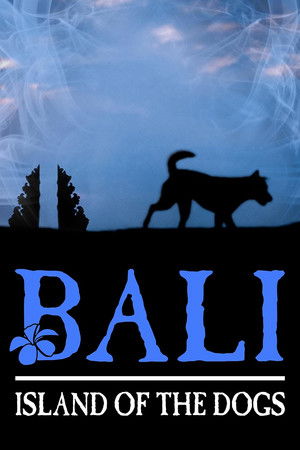
A film about the semi-feral dogs of Bali, and our changing attitudes towards conquering nature and bending her to our will.
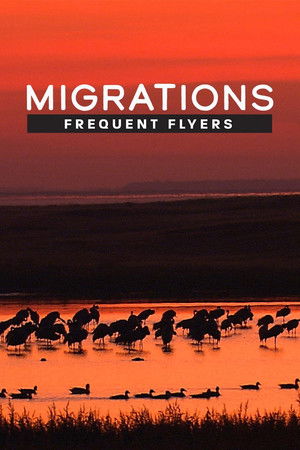
Half of all bird species undertake annual migrations, everything from heavy-bodied swans to delicate hummingbirds. Migration is one of the most remarkable phenomena on the planet, hosts of animals of all shapes and sizes demonstrating incredible feats of endurance.
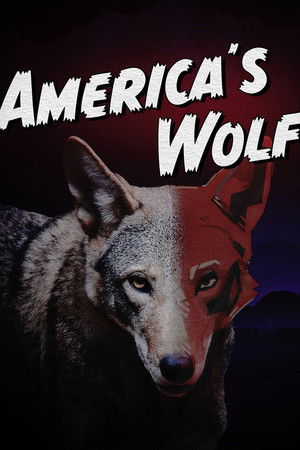
Long ago, red wolves roamed from the bayous of East Texas to the bays of coastal New York. Today, not even 20 remain in the wild—confined to a tiny pocket of habitat in far Eastern North Carolina. This short film uses over four years' worth of National Geographic Explorer Jess Suarez's photographs to tell the imagined story of one young wolf. Raised in captivity, she's eventually released into that last remaining habitat, and in the wild she finds freedom, danger, and the possibility of a new future for her species. Long ago, the red wolf was America's wolf, and with our help they could be again.
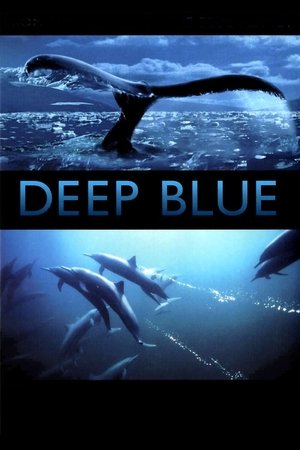
Deep Blue is a major documentary feature film shot by the BBC Natural History Unit. An epic cinematic rollercoaster ride for all ages, Deep Blue uses amazing footage to tell us the story of our oceans and the life they support.
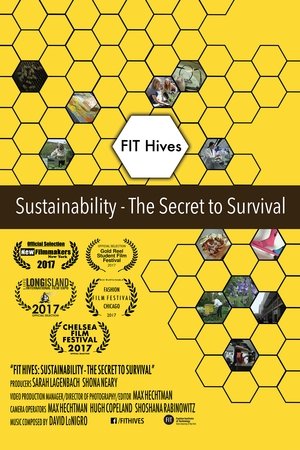
A documentary that introduces FIT Hives, a student-run organization whose mission is to educate the FIT community about the importance of bees to the environment, the use of bee-derived resources in the industries related to the majors at FIT and its goal to put a beehive on the roof. FIT Hives is a recipient of an FIT Innovation Grant which also supported the making of this documentary.
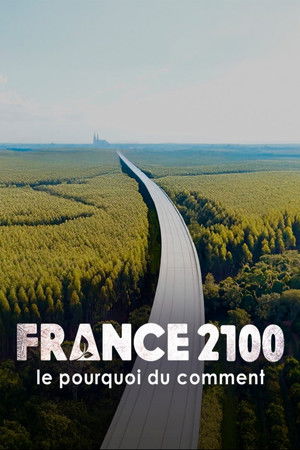
France 2100, le pourquoi du comment
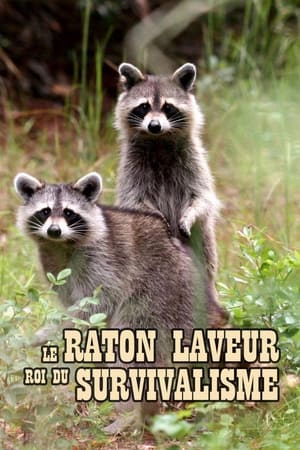
While, all over the world, multiple wild species are threatened, raccoons are displaying an unprecedented expansion. Beneath the innocent and graceful plush exterior hides an unparalleled "survivor" temperament. Omnivorous, curious, intelligent and extremely adaptable, raccoons prove to be very good at overcoming any challenge thrown by humans. But how do these clever creatures manage to survive both in the wild and in urban settings? Set in one summer in Georgia, USA, this film follows a litter of young raccoons from birth to adulthood on Jekyll Island.
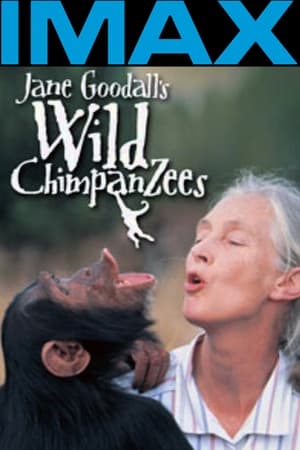
Showcased in beautiful IMAX format, this documentary takes viewers into the hearts, minds and world of chimpanzees as it profiles legendary scientist Dr. Jane Goodall's work among the chimps at Gombe Park on Africa's Lake Tanganyka. Dr. Goodall and other researchers give us an up-close look at the daily lives of the Gombe chimp families -- Fifi and sons Freud and alpha male Frodo, along with Gremlin, Gaia and the endearing Galahad.
A bare-knuckled critique of corporate America told through the powerful true story of a toxic CEO who evolves from a profits-over-people, philandering executive to an unorthodox leader, populist messenger, and mentor to American influencers. It’s a story of growth, redemption and the impact of self-awareness on leadership and life.
This documentary details the indigenous environmental movement in Honduras in 2016 specifically in the aftermath of prominent activist Berta Cáceres' assassination at the hands of a hired hitman. The documentary shows the effects of international and domestic dam development on the local landscape and the organized political resistance efforts.
In the northern reaches of Manitoba, resting on the edge of Canada’s Hudson Bay, sits the small town of Churchill. Home to fewer than 1000 year-round residents, Churchill is a remarkable place: it plays host to an annual beluga whale migration, is visited by the Northern Lights over 300 times per year, and sits in a pristine tundra that truly embodies the term “wilderness”. Churchill’s most famous visitor, however, is the mighty Polar Bear. Every year, hundreds of bears gather on the shoreline surrounding Churchill, awaiting the sea ice that forms on Hudson Bay during winter. Once it forms, they’ll use it as a platform from which to hunt seals, but until then, they wait on the coast, creating a fascinating, and potentially dangerous, interaction between the residents of Churchill and the world’s largest land carnivore.
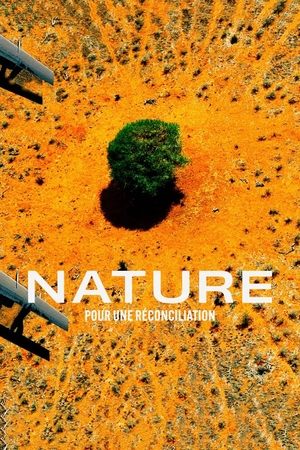
Combining poetry, science and emotion, this film traces the history of life, from its cosmic origins to its evolution on our planet, through the wonders of biodiversity and the contemporary challenges it faces. Through spectacular images, Yann Arthus-Bertrand questions the paradoxes of our times and urges a collective transformation to reconcile humanity with nature.