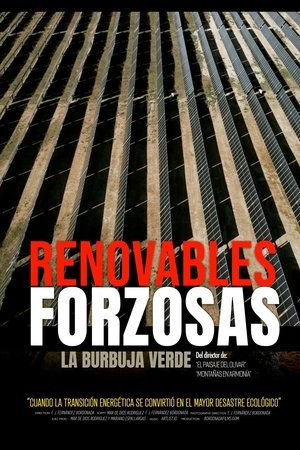
In Lopera (Jaén), the ecological transition has turned into a nightmare: centuries-old olive groves are being uprooted to make way for massive photovoltaic plants, in an unfair battle between powerful corporations and the local community. Through firsthand testimonies, striking visuals, and an analysis of the current energy model, Forced Renewables reveals how progress, when poorly planned and disconnected from rural life, can lead to an unprecedented ecological, social, and economic disaster.
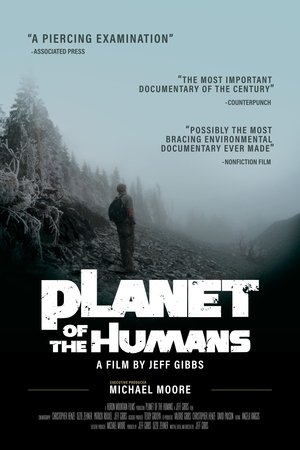
Documentary about human impact on the world.
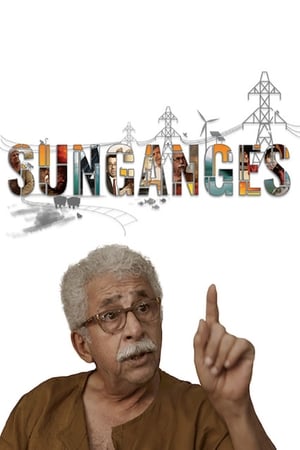
A panoptic film on water, energy and climate, SunGanges (SuryaGanga) is a wild and intense ride three filmmakers take across the vast Indian landscape in an attempt to connect the dots between vanishing rivers, massive energy projects and the quiet rise of renewable energy.
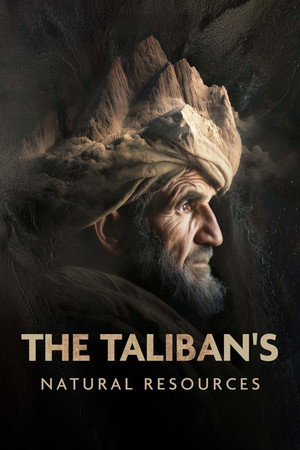
Since the Taliban returned to power in August 2021, Afghanistan has drawn growing international attention for its enormous reserves of rare earths and strategic minerals essential to the global energy transition. The country is believed to hold more than €1 trillion in resources, including copper, lithium, cobalt, iron, uranium, chromite, mercury, and rare earth elements, as well as valuable gemstones and gold. Often described as the “Saudi Arabia of minerals,” Afghanistan has become the focus of a geopolitical race for supplies. While Europe and the United States remain hesitant to engage with a regime accused of serious human rights abuses, countries such as China, Russia, Turkey, Qatar, Pakistan, and India are already positioning themselves in Kabul to secure access to these critical resources.
A three year self-described labour of love, 2040 takes the form of a visual letter from the filmmaker to his four-year-old daughter Velvet, showing her what the year 2040 could look like “if we simply embraced the best solutions that exist today.”
Sixty years ago, the Canary Islands were the first in Europe to adopt desalination of ocean water to produce drinking water. Often considered a miracle solution, is this technique compatible with sustainable development?
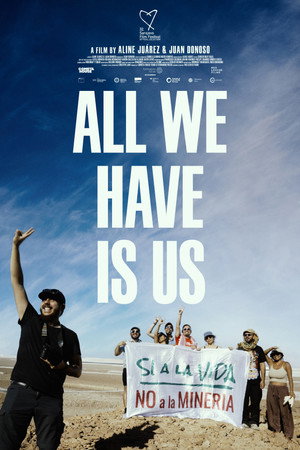
Filmed over five years across the salt flats of Chile’s Atacama Desert and the fertile valleys of Serbia’s Jadar, ALL WE HAVE IS US chronicles the interconnected resistance against multinational mining giant Rio Tinto. Co-directors Aline Juárez and Juan Donoso follow Aymara journalist and land defender Leyla Noriega, actor Bojana Novaković, socio-environmental researcher and photgrapher Ramón Balcázar, and rural beekeeper Vladan Jakovljević. Refusing the tropes of passive victimhood, the film captures an intimate, choral portrait of agency and dignity—where community radio, ancestral memory, street protests, and cross-continental solidarity expose the hidden ecological and democratic costs powering Europe’s green energy transition and militarization.
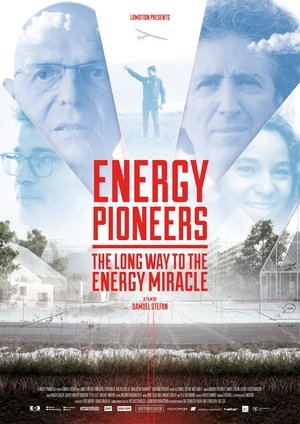
«Energy Pioneers» portrays two visionaries and their fellow campaigners as they fight to solving one of humanity’s most challenging problems. A film about obstacles, crises and the power of an idea.
Offshore wind farms are a major player in the move away from fossil fuels, especially in the North Sea, and they are increasing in number. But their impact on the environment is not yet clear: We take a look at ongoing research in Europe that is measuring the impact of wind turbines and their harm, or benefit, to biodiversity in our seas.
Dr George McGavin and Dr Zoe Laughlin set up base camp at one of the UK's biggest sewage works to investigate the revolutionary science finding vital renewable resources and undiscovered life in human waste. Teaming up with world-class scientists, they search for biological entities in sewage with potentially lifesaving medical properties, find out how pee can generate electricity, how gas from poo can fuel a car and how nutrients in waste can help solve the soil crisis. They follow each stage of the sewage treatment process, revealing what the stuff we flush can tell us about how we live today, and the mindboggling biotechnology being harnessed to clean it, making the wastewater safe enough to return to the environment.
Forget all you have heard about how “Renewable Energy” is our salvation. It is all a myth that is very lucrative for some. Feel-good stuff like electric cars, etc. Such vehicles are actually powered by coal, natural gas… or dead salmon in the Northwest.
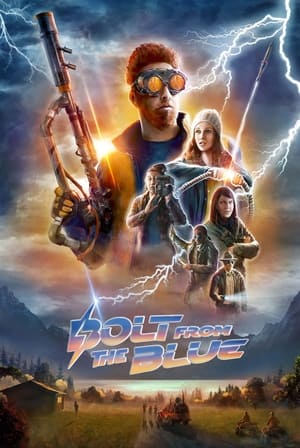
An overlooked engineer is sent to Alaska to scope out an eccentric scientist's claim that capturing lightning can be a new source of renewable energy.
To stay below a 1.5 degree increase in global temperature, we must leave between 60 and 80% of fossil fuel reserves in the ground. Which energies should be preferred to replace oil, gas and coal? Renewable energies or nuclear energy?
The video explores the issue of energy as a critical factor for the development of life conditions, at the same time energy is the reason for wars of power, environmental disasters, and economic monopolies. People suffer passively from this system and go on its path suffering the weight of political choices. Only renewable energy can save the earth and human being from collapse and become the new symbol of contemporary passion.
Go Like The Wind
In an era of activism, filmmaker Connor Luke Simpson enters the world of Fat Acceptance, a provocative social movement that is seeking to change the negative perception of obesity. Is everything we know about obesity wrong, or, will this movement just become a footnote in the history books?
Few places symbolise the dawn of modernity with its expectations and upheavals better than the Jelmoli department store. The director documents the 125-year history from its foundation to its closure at the end of 2024.
Manguaba
In March 2018, oncologist Andrey Pavlenko learned that he had stomach cancer. For almost two years, Andrey struggled with the disease and simultaneously performed operations, created his own department in the clinic, and launched his own charitable foundation. All this time, it was filmed by the team of special projects of the portal "Such things". Andrey's chances of recovery were about 50-50. Eight rounds of chemotherapy, stomach removal, recovery, community service, and depression are what he went through during the treatment. On January 5, 2020, Andrey died. Before his death, realizing that there was not much time left, he gave one last interview. It became the basis of the film.
The film is based on a series of videos for the Internet dedicated to front-line operators of the Great Patriotic War.