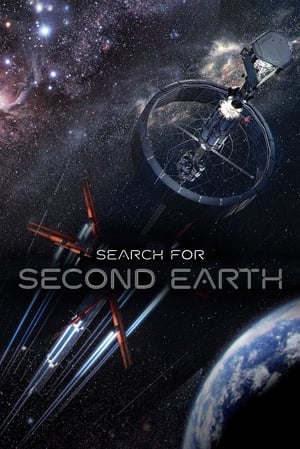
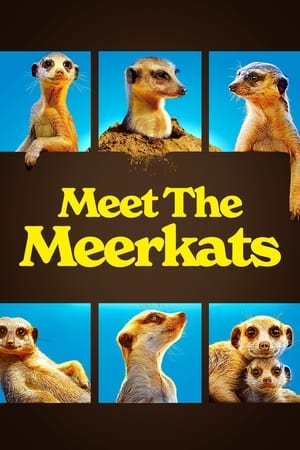
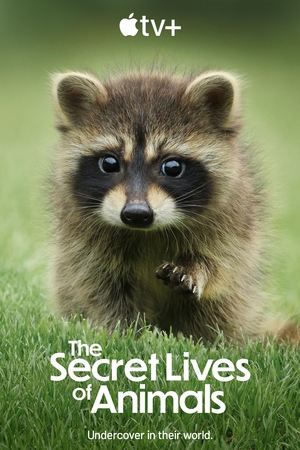
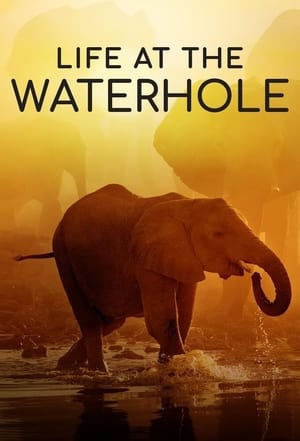
Our world is the home of millions of plant as well as animal species and provides several territories, each with its own geological and climatic conditions: steep mountains, deep forests, wide oceans and arctic ice deserts. The inhabitants have adapted to its different conditions and are still developing new strategies to survive. “Wonderful World 3D” not only takes a look at the interesting creatures of our planet, but also highlights cosmological circumstances, which made our world unique, diversified and above all so adorable.
A Chilean stomach and social discomfort.
Des-Extinción
The desert wilderness of New Mexico's Jemez Mountains
California Golde is a movie. One about riding bikes in California and all the hardships that come with big, hard, ambitious tours.
During their first flight between the Atacama Desert and the Pacific Ocean, thousands of ringed storm petrels have fallen victim to light pollution caused by the city and industry. Biologist Jorge Páez is dedicated to the rescue and conservation of this species in the city of Antofagasta. He will face the greatest mystery surrounding this species: despite the hundreds of specimens that fall in the city each year, nobody knows for certain the nesting sites of the species, lost in the vastness of the desert.
o céu diante dos meus olhos nunca é cinza
Bas Jan Ader hangs from the branch of a tall tree, until he loses his grip and falls into a river below.
Changing Landscapes meditates upon the care and carelessness humans brought to bear on the environment in Scotland. Rare archive combines with performances from the BBC Scottish Symphony Orchestra.
Ogni volta che il lupo
A journey into four classical elements through the four main characters of the film. The main characters in the movie represent each of their own elements.
Mary Field edits the time-lapse photography of F. Percy Smith to show the life cycle of ferns and related plants.
Underwater and microscopic photography by F. Percy Smith tell the story of a newt's life.
The River Emajõgi forms a powerful water world hiding an ancient life. Little Aleksander together with his filmmaker father Remek Meel discovers Alam-Pedja nature reserve and the secrets of its enchanting world. Father and son get acquainted with the hidden life of eagles, beavers, otters, waxwings, great snipes, ravens, penduline tits and Ural owls.
From 1968 to 1972, photographer and filmmaker Bob Campbell documented the activities of Dian Fossey as she developed a cross-species bond with Rwandan mountain gorillas. Campbell shot 70,000 feet of film, but only a fraction of his material was edited into the lecture presentation that preceded Fossey's Gorillas in the Mist. This program compiles highlights from the previously unreleased footage, offering an unforgettable glimpse into the gorilla community and Fossey's relationship with it. Her methods may not entirely jibe with those of modern conservationists, but there is no denying the profound impact of her work on current research and eco-activism.
About the mexican wolf in northwest Chihuahua, the search for its conservation among local communities, landowners, and the Livestock Assurance Fund.
For almost three years, nature filmmaker and ecologist David Cebulla has been observing wild Common hamsters. He not only tries to learn more about the species, but also documents why hamsters are globally threatened with extinction. David travels from the western border of the distribution area in France via Germany, Poland, Austria and Hungary to the eastern border of the distribution area in the Kazakh steppe. In the process, he manages to capture some unique and fantastic images. But during the project, it becomes increasingly difficult to find animals living in the wild.
In this graceful study of the balance between solitude and community, artist and chef Jim Denevan roams across the US, transforming landscapes into breathtaking, sustainable dining experiences framed by ephemeral installation art.
Experimental Short Film Documentary made during the social outbreak, follows 2 Deaf people walking through the outbreak in Plaza Dignidad.
The Arctic is accessible to man only because of ice dogs. As hunters, haulers, and guardians, they have been our vital link to nature for thousands of years. Dogs led the Sarqaq people out of Siberia and, a millennium later, led explorers to the North Pole. As the light returns to Greenland, we arrive in Scoresbysund with a troop of the only companions worth having in this harsh environment.