Primary is a documentary film about the primary elections between John F. Kennedy and Hubert Humphrey in 1960. Primary is the first documentary to use light equipment in order to follow their subjects in a more intimate filmmaking style. This unconventional way of filming created a new look for documentary films where the camera’s lens was right in the middle of what ever drama was occurring. Preserved by the Academy Film Archive in partnership with The Film Foundation in 1998.
Indisciplinado. Historia de un proyecto político
A full on examination of the two presidential terms of Carlos Andres Perez in which he led the venezuelan fates: 1974-1979 and 1989-1993, known respectively as "La Gran Venezuela" and "El Gran Viraje". Two models of government that, separated by ten years, were very different but produced a change in the history of the country.
Follows the investigation into the assassination of President John F. Kennedy led by New Orleans district attorney Jim Garrison.
It’s 1974 and Sam Bicke has lost everything. His wife leaves him with his three kids, his boss fires him, his brother turns away from him, and the bank won’t give him any money to start anew. He tries to find someone to blame for his misfortunes and comes up with the President of the United States who he plans to murder.
Featuring insightful interviews with friends and family members, as well as previously unreleased footage of Obama's campaign
During the American Civil War, General Ulysses Grant carries out the 'Tennessee Plan,' which involves stopping the Confederate supply line on the Tennessee River. This proved to be a vital action for the North in its push south...
Inauguration Day special showcasing the American people’s resilience, heroism, and unified commitment to coming together as a nation to heal and rebuild.
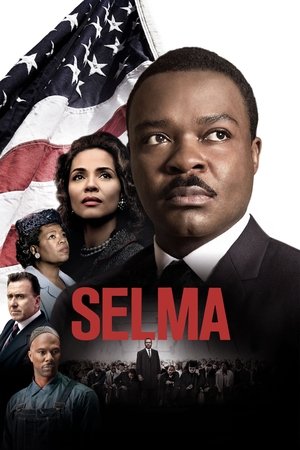
"Selma," as in Alabama, the place where segregation in the South was at its worst, leading to a march that ended in violence, forcing a famous statement by President Lyndon B. Johnson that ultimately led to the signing of the Voting Rights Act.
We go behind the scenes and into the minds of artists as they capture, commemorate, and, at times, condemn our presidents.
"The Most Dangerous Man in America" is the story of what happens when a former Pentagon insider, armed only with his conscience, steadfast determination, and a file cabinet full of classified documents, decides to challenge an "imperial" presidency – answerable to neither Congress, the press, nor the people – in order to help end the Vietnam War.
A detective tries to prevent the assassination of President-elect Abraham Lincoln during a train ride headed for Washington in 1861.
This observational documentary follows the men behind the Super-PACs that persuaded Dr Ben Carson to run for President. Believing Carson can save the Republican Party, they successfully draft him to run, raise millions of dollars and catapult him to the top of the polls. However, as Carson's political inexperience begins to show, his constant media gaffes make fundraising increasingly difficult. Donors and voters abandon Carson's campaign as wallets close, hearts open and faith is tested. As Trump inexplicably rises, the campaign descends into chaos and the PACmen begin to wonder - did they pick the wrong savior?
An enduring myth in U.S. presidential election history is that George H.W. Bush only lost his re-election bid in 1992 because a peculiar independent candidate from Texas, Ross Perot, drew more voters away from Bush than from Democratic candidate Bill Clinton. Perot ran a quirky "outsider" campaign that in many ways presaged the Donald Trump phenomenon of 2016. It all amounted to one of the most successful third-party bids in U.S. history; Perot won 19 percent of the popular vote.
An internet personality takes a journey through the small, obscure, and downright bizarre conventions happening every weekend around the country as he tries to fit in and find the common link that unites these communities.
Remembrance Of Yusin
A look at President Richard M. Nixon—a man carrying the fate of the world on his shoulders while battling the self-destructive demands from within—spanning his troubled boyhood in California to the shocking Watergate scandal that would end his Presidency.
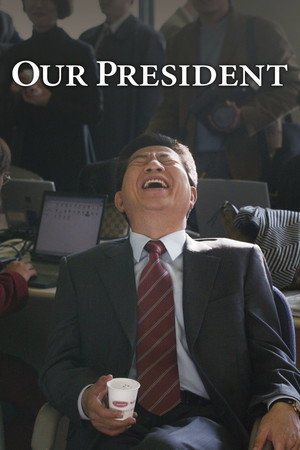
President Kim Dae Jung
Barack Obama launched into our national consciousness at the 2004 Democratic National Convention and ever since, he's delivered messages of patriotism, unity, and hope through the power of words. But of all the speeches he's given, six in particular may define his legacy as, in historian Doris Kearns Goodwin's words, "one of the best writers and orators in the presidency." Interviews with eminent historians and key figures in his writing process give rare insights into these iconic speeches, as well as the Obama presidency and the man himself.
The professional mercenary Sir William Walker instigates a slave revolt on the Caribbean island of Queimada in order to help improve the British sugar trade. Years later he is sent again to deal with the same rebels that he built up because they have seized too much power that now threatens British sugar interests.