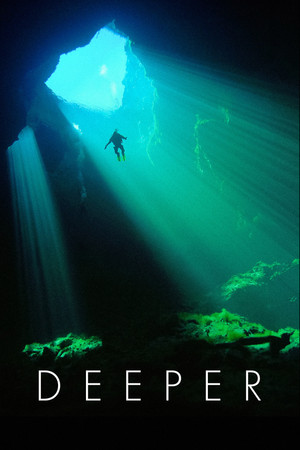
In a remote part of New Zealand, lies a cold, dark and mysterious cave system with the potential to be the deepest dived cave in the world. It’s here that explorer and hero of the Thai cave rescue Richard “Harry” Harris is searching for a sense of self. There’s no question that this is the highest stakes dive he has ever attempted. Underground, underwater, with a finite amount of gas to breathe, it’s a dangerous game to play. So what drives Harry to continue in his pursuit when he knows the cost - not just to himself, but to those he loves - and will he make it back to them?
The short film follows Endika, a director who, in the midst of a clash with his reality, transforms a documentary about paternal absence into a personal quest for reconciliation with his own father.
Award-winning short film, Clankers, is an investigation into the sinister rise of AI-generated sex workers today.
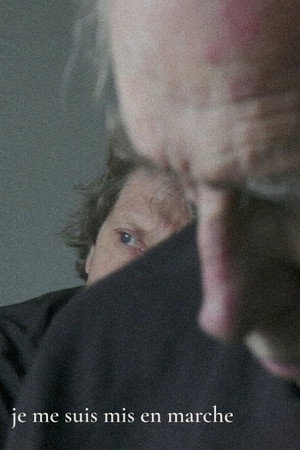
In the 1980s, writer, poet, radio personality and football enthusiast Franck Venaille is diagnosed with Parkinson's disease. He decides to travel the length of the Scheldt river, to dip his hands in its source, and brings back the long epic poem La Descente de l'Escaut. Today, the disease has progressed, but Venaille still spends much of his time working in the study where he wrote the text. Je me suis en marche is both a road movie weaving together the poem, Venaille now and during his journey, and a documentary adaptation of the epic odyssey of a sick man retracing a river across 450 kilometres.
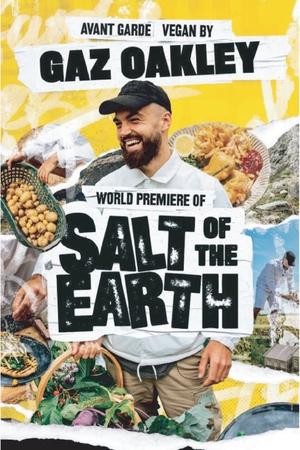
Gaz Oakley goes on a culinary journey across his home country of Wales & is blown away with what he finds.
Félix contre le reste du monde
Good Grief is a short stop motion animated documentary that explores the lessons we learn from dealing with grief and loss. Five real people share their true stories of losing something precious and what it has taught them about living.
The short documentary looks at some innovative approaches to providing services and accommodation for battered women in rural, northern, and Native communities. Filmed in Thompson and Portage La Prairie, Manitoba, and West Bay Reserve, Ontario, the film introduces the women who operate and use various types of accommodation such as transition houses, transition apartments, and safe houses. The shelter on West Bay Reserve is singled out as a project that was built by women for women to stand as a reminder that the Reserve will not tolerate violence against women. A Safe Distance is part of the The Next Step, a 3-film series about the services needed by and available to battered women.
Jackie Chan is a true icon of Asian and Chinese culture. Over a 45-year-long career, he has carved a niche for himself as an actor, stuntman, director, and screenwriter, but also singer and formidable businessman. After starring in almost 200 films, Jackie Chan has reconciled fans of genre film and Hollywood blockbusters, whilst bridging the gap between Asian and Western cinema. Through film excerpts, archive footage and images, and an offbeat approach inspired by the visual codes of the golden age of kung fu films, this documentary will take a look back at the creation of a popular hero who has come to be an icon for China, and for the entire Asian continent.
Rare documentary footage from around 1900 depicts the mood of life in Berlin at the turn of the century.
The concept for the film was developed based on sociological research conducted as part of the Youth Subcultures conference in collaboration with the Institute of Sociology of the Slovak Academy of Sciences. The film’s core value lies in its ability to provide an inside look at selected subcultures, achieving an exceptional level of engagement with their members. The filmmakers managed to break through the participants' initial reluctance to openly discuss their experiences. The documentary directly addresses key aspects of these subcultures, including drugs, faith, and personal beliefs. It focuses on six specific groups: the techno scene, graffiti artists, antifascists, religiously oriented youth, skinheads, and young people inspired by Eastern spirituality. The film includes footage from illegal rave parties, graffiti sessions, and other underground activities. Overall, the documentary serves as an insightful map of Bratislava’s contemporary alternative scene.
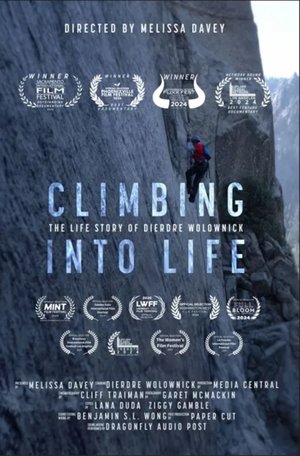
Dierdre Wolownick is the oldest woman to climb El Capitan in Yosemite. Never an athlete, she excelled in languages, art, music and other intellectual pursuits, but in her 60s she began climbing out of curiosity; her son, Alex Honnold, seemed to be having too much fun. Dierdre's story proves that we are never too old to try something new.
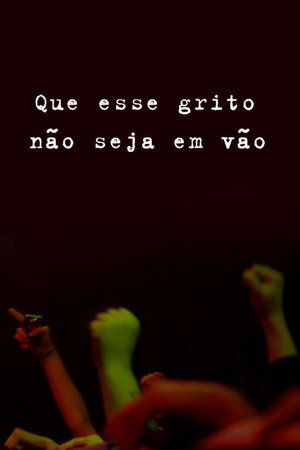
Que Esse Grito Não Seja em Vão!
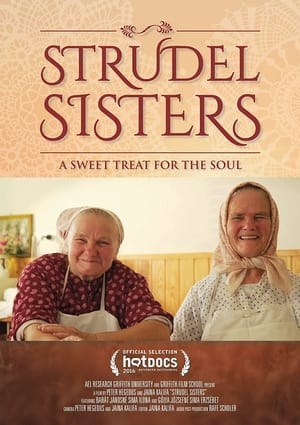
Two elderly sisters share the delicate art of making traditional Hungarian strudel and reveal a deeply personal family story about their mother, who taught them everything they know.
A movement to criminalize men with long hair, commonly referred to as "gondrong". during Indonesia’s New Order era gave rise to various negative stereotypes that continue to be attached to long-haired men to this day. However, this criminalization stemmed from motivations far deeper than mere concerns over hairstyle and was closely tied to the authoritarian leadership of the period. These underlying factors are explored in a short documentary titled “Gondrongisme.”
A&E Comprehensive biographies of five of the greatest classic stars of the horror genre. Features lots or archive footage from some the greatest horror films committed to celluloid.
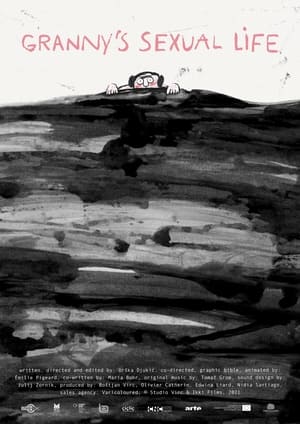
A trip into grandma's intimate life shows the status of Slovenian women in the first half of the 20th century.
The history of an infamous baseball game between the barnstorming Wichita Monrovians and the KKK is re-examined by historians, activists, and players.
Documentary centers on how head coach Mark Few turned the small college program into a national powerhouse that became a regular contender in the NCAA Division I men’s basketball tournament known as March Madness.
When filmmaker Diana Fabianova reached puberty, she found herself irremediably trapped in menstrual etiquette. She carefully hid the evidence from her father and brother first, and later on, from most of the other men in her life. And no matter how bad she felt, she pretended she was fine. The taboo far exceeded the scope of her family: it was all around her. Periods were a "girl thing." Periods were shameful. Periods were inappropriate for public discussion. End of the story? Not quite. Something in her was reluctant to accept and suffer in silence. Why did the sign of what all societies consider a blessing -- women's ability to give birth -- happen to be described with names and expressions like "the curse" (in England), the "English war debarquement" (in France), and "to be on the rags" (in the U.S.)?