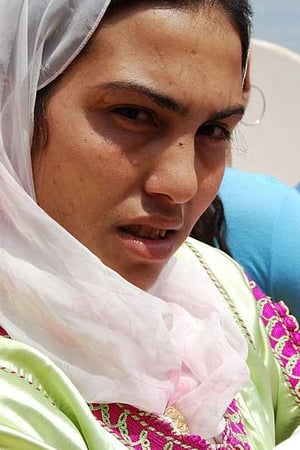
A film about a woman who doesn’t exist. Moroccan Hind was raped and consequently denied an official identity – she has no other choice but to work as a prostitute and traditional wedding dancer, but despite the odds of her situation, refuses to give up her dream of dignity, motherhood and love. This is a story of modern day outlaws, children of prostitutes, abandoned child brides and those who have had to escape to the fringes of patriarchal Moroccan society. Through the eyes of one young woman we see a life of constant struggle, but also a life free of the society’s norms and boundaries. The woman in the centre of the film, Hind, is both vulnerable and courageous as she tries to regain her life, her children and her mere right to live as an equal human being in the 21st century.
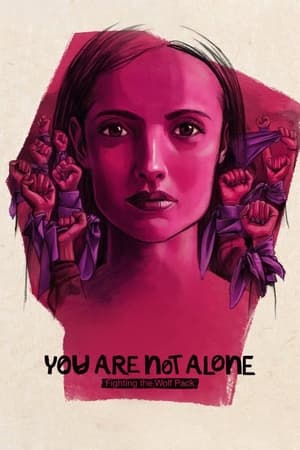
Through key testimonies, this documentary looks at a gang rape that took place during the 2016 San Fermín festival and sparked protests worldwide.
Five women – Palestinian, American, Muslim, Christian, and Jewish – tell stories of humiliation and harassment by Israeli border guards and airport security officials.
Journalist Shiori Ito embarks on a courageous investigation of her own sexual assault in an improbable attempt to prosecute her high-profile offender. Her quest becomes a landmark case in Japan, exposing the country's outdated judicial and societal systems.
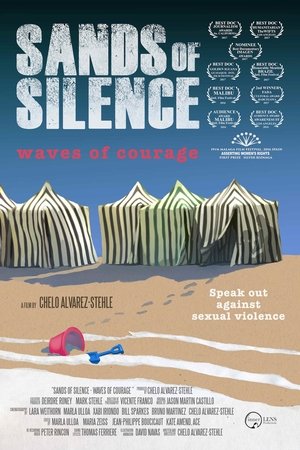
Inspired by the transformation of the sex-trafficking survivors whose lives she follows, the filmmaker finds the courage to break the silence about sexual abuse in her own life.
Kibera is the largest slum area in Nairobi, and the largest urban slum in Africa. This documentary depicts three important problems; violence, drugs (miraa) and albinos killing.The 2009 Kenya Population and Housing Census reports Kibera's population as 170,070, contrary to previous estimates of one or two million people .Most of Kibera slum residents live in extreme poverty, earning less than $1.00 per day. Unemployment rates are high. Persons living with HIV in the slum are many, as are AIDS cases. Cases of assault and rape are common. There are few schools, and most people cannot afford education for their children. Clean water is scarce. Diseases caused by poor hygiene are prevalent.
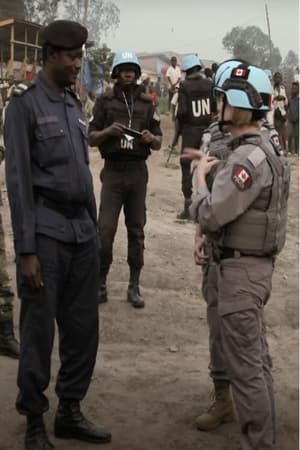
Casques BleuEs
In a series of late-night conversations, Yifeng breaks the culture of silence surrounding sexual assault by opening up to her closest friends - through their shared vulnerability, she begins to see herself as more than her trauma.
Centered on the testimonies of students who were victims of harassment or sexist and sexual violence. The objective is to make people aware of the reality and mechanisms of this violence, as well as their seriousness, so that the university community as a whole is mobilizing against harassment and gender-based and sexual violence.
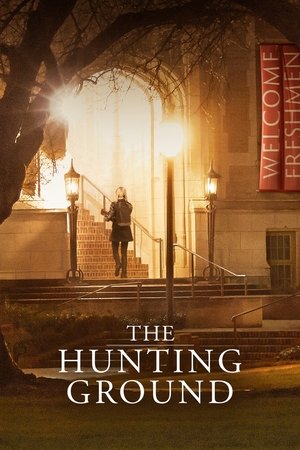
A startling expose of rape crimes on US campuses, their institutional cover-ups, and the devastating toll they take on students and their families. The film follows the lives of several undergraduate assault survivors as they attempt to pursue—despite incredible push back, harassment and traumatic aftermath—both their education and justice.
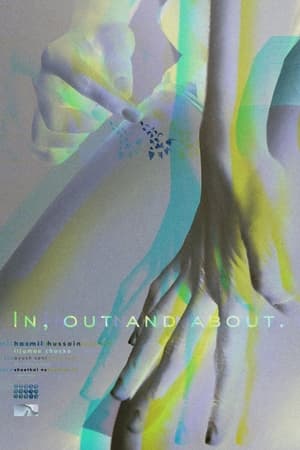
an exploration of queerness and fear of illness through personal and shared experiences.
I Did Not Ask for This! looks at Tsakani Motshweni’s tough and extremely courageous journey towards healing after being sexually abused in juvenile prison, and his determination to fight to end the scourge of sexual violence in places of detention.
Patinage : Les championnes brisent la glace
This unprecedented investigation conducted in 6 countries (USA, UK, Spain, France, Switzerland, Germany), covering a large variety of sports over a period of two years, shows that sexual violence in sport is not the result of isolated incidents, but rather reveals the abuses of an entire system. It breaks the silence on one of the biggest taboos in sport today.
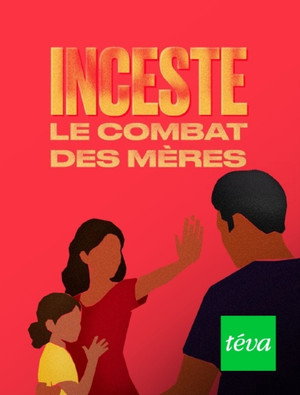
Le combat des mères protectrices
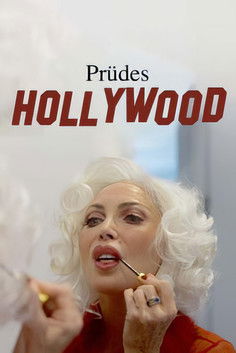
In recent years, Hollywood productions have turned away from sensuality. Is the sex scene on the verge of extinction or reinvention? Alongside film professionals and researchers, this documentary deciphers a trend that speaks volumes about the evolution of the industry and our societies.
Des blouses pas si blanches
The fifth installment of the self-proclaimed "first true shockumentary" series, dealing mostly with backyard wrestling and occasional instances of graphic violence and sexual assault.
Sexual violence against women has accompanied almost every large-scale conflict, yet most of its victims are silenced. One such sad episode is that of the "comfort women," or more accurately, the estimated 200,000 women who were recruited to sexually serve the Imperial Japanese Army during World War II. As part of this immense system, many young women from all over Japan's occupied territories in Asia were forced into service where they faced rape, torture and extreme violence at military camps, euphemistically termed "comfort stations.'
As if in a conversation amongst friends, four young women speak out about the sexual abuse they have experienced in everyday settings. What is the hidden history of these familiar places that, at first glance, seem harmless?