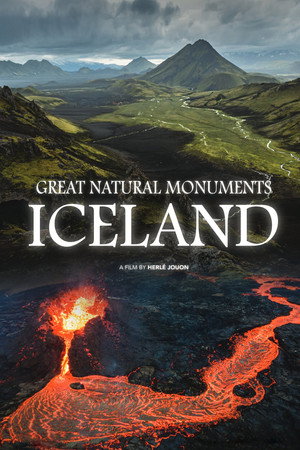
The fascinating landscape formations of Iceland in the North Atlantic bear witness to the beauty and primal power of nature. They were created through the interaction of powerful volcanic, geological and biological processes that have been changing the face of the earth for billions of years. This is what the Earth might have looked like four billion years ago. Iceland is the realm of ice and fire. Nowhere else is there such a high density of volcanoes. The landscapes, which are continually reshaped by eruptions, make the island a natural laboratory full of clues about the formation and development of the earth. The documentary follows a group of scientists through the most active areas of Iceland, along a mountain range that has emerged from the ocean. On the slopes of the volcanoes, in the fog of the fumaroles and on streams and rivers, the three researchers explore how the first forms of life populated the earth's surface and in what evolutionary steps they took over the earth.
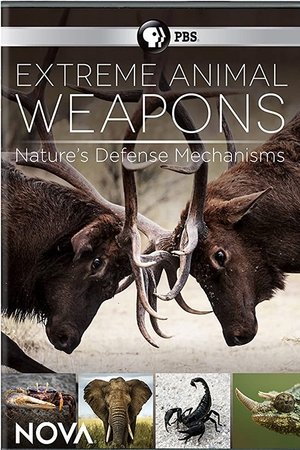
NOVA: Extreme Animal Weapons From lobster claws and dog teeth to bee stings and snake fangs, every creature depends on a weapon. But some are armed to extremes that make no practical sense - whether it's bull elks with giant 40-pound antler racks or tiny rhinoceros beetles with horns bigger than their body. What explains giant tusks, horns and claws that can slow an animal down and even impair health and nutrition? Showcasing astonishing wildlife cinematography, Extreme Animal Weapons investigates the riddle of outsize weaponry and uncovers a bold new theory about what triggers an animal arms race. In creatures as varied as dung beetles and saber-toothed tigers, shrimp and elephants, the same hidden factors trigger the race and, once started, these arms races unfold in exactly the same pattern. In this enthralling special, NOVA cracks the secret biological code that underlies nature's battleground.
Today, against a backdrop of sharply increasing demand, growth in the world population and the growing impact of an unsettled climate, water has become one of the most precious natural resources of our planet.
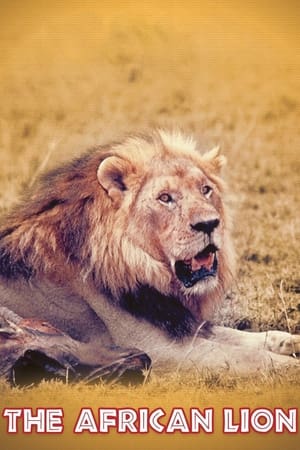
Part of Disney's True-Life Adventures series, this film focuses on the lives of lions in Africa.
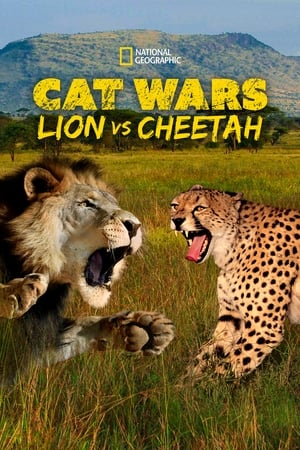
After filming one of the most unusual attacks ever seen in the African savannah - four cheetahs being brutally attacked by two male lions - filmmaker Reinhard "Leo" Kuenkel joins forces with world-renowned lion expert Craig Packer to decipher what happened during this incredible take down, and more importantly, why it happened in the first place. They go frame by frame though the footage of the fight to break the details of the attack, and place them in the context of what they know about the way these animals act. Along the way, Kuenkel and Packer make some stunning revelations about the dark relationship between lions and cheetahs, and perhaps finally explain one of the last great African wildlife mysteries.
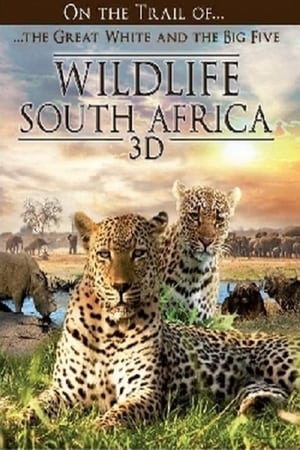
In this three part documentary we look at all topics South Africa has to offer. THE BIG FIVE focuses on the kings of animals, lion, rhinoceros, elephant, leopard and the African buffalo. Armed with 3D cameras, we visited the Kings of the savannah and the jungle, where we sensed the fascination that emanates from the largest animals in the wild. In SAFARI we look behind the scenes of a park and found out what it means to pursue eco-tourism and just what the opportunities and the risks are. Finally, we discover the WEST CAPE region and its unique flora and fauna, swim with whales and sea lions, follow penguins and – as a highlight – we meet the white sharks. Join us on a spectacular 3D journey.
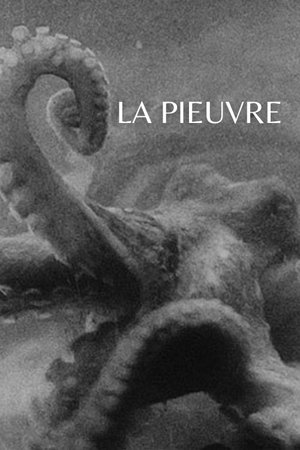
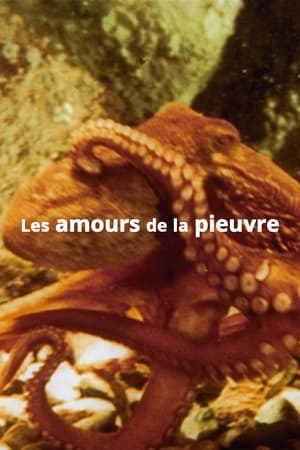
An octopus slithers over objects on land—a doll, a skull—then oozes along the shore into the sea. It secretes its ink. The camera follows it along rocks into deeper water, watching closely as it breathes. Its eye is closed then open. Simple titles, in French and German, suggest what to watch. The octopus alternates the use of breathing tubes on either side. It changes color as cells on its skin contract or dilate. Extreme magnification helps us see these changes. Two struggle, one dies. On shore, fishermen catch them and put them in pails. A single tentacle still has life. Back in the sea, two octopi attack a crab. Soon only a couple of crab legs are visible in the mouth of the victor.
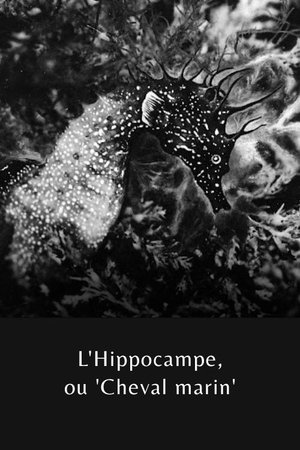
Examines the sea horse, the only fish that swims upright. We watch it use its prehensile tail to wrap around plants and other sea horses. A frontal bulge houses organs including an air ballast. Three fins propel this fish. We see a female place her eggs in a male's pouch where they are fertilized and nurtured until birth in violent contractions. Inside the pouch are nurturing blood vessels. We then follow the growth of an embryo, greatly magnified: we examine its heart beating and its dorsal fin moving. Young sea horses attach themselves to each other. The film ends with images of many sea horses moving on the ocean floor, superimposed on a horse race.
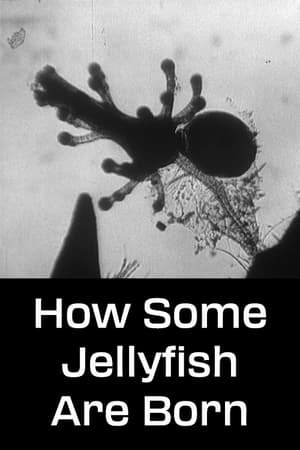
At a marine biology station, a clump of algae reveals polyps, stomachs with limbs, limbs with buds, buds with poison cells. This animal reproduces by buds, which we watch close up in time-lapse images. In another kind of jellyfish, the buds grow inside then live outside for a few days until being on their own. Another produces eggs, sometimes self-fertilized. Some single eggs become buds with colonies. Another clump gathered at low tide consists of filaments of a colony - plumes with poison ends. In images taking 72 hours, we see filaments grow and produce a feeding organ from which a plume emerges. New jellyfish emerge from buds twice a day at set times to form a new colonies.
An octopus slithers into a narrow crack near the shore; we see its eye up close. It feeds on a crab. In spring it's time to mate. A male grabs a female; he inserts his third arm in her respiratory cavity. We watch another pair: a larger female is the aggressor here. Mating is repeated over hours and days. The female releases strings of fertilized eggs that hang from the roof of a nest. She guards her spawn for a month, fanning the strings to circulate water for oxygen and cleanliness.
Anaconda - the mere mention of its name brings images of an awesome and terrifying killer snake! For Dr. Jesus Rivas and his wife, Dr Sarah Corey, anacondas represent a challenge as they try to unravel the mysteries surrounding these massive reptiles. Like most snakes, anacondas have suffered greatly from exaggeration and scary folklore. Pound for pound, the South American anaconda is the world’s largest snake. But its reputation as a killer is wrapped in myth and legend.
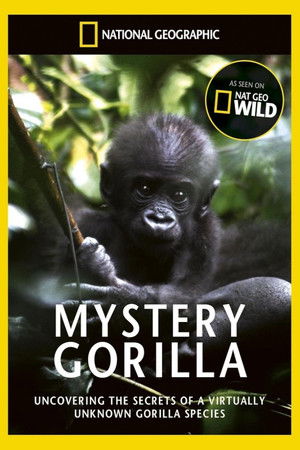
In 2007, scientists from the Wildlife Conservation Society discovered there were an estimated 125,000 western lowland gorillas living in the remote forests of northern Congo. This find offers another chance to protect this endangered great ape and a first look at some unprecedented behaviour – including a knack for using tools. Now primatologist and National Geographic explorer Mireya Mayor ventures into the heart of the jungle to explore the great apes’ secret world. She gets a rare and intimate look into the family life of one gorilla group and witnesses individuals performing feats unexpected in the wild. Spectacularly photographed and featuring new scientific insight, Mystery Gorilla presents startlingly familiar animals like you’ve never seen them before.
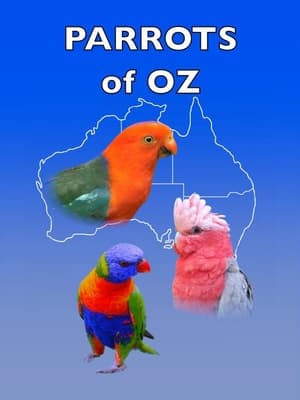
Half of Australia’s 56 species of Parrots are shown in outstanding photography, unique behavior, stunning colors, and close-ups. Fifty of the 56 species in the Country are endemic, housing nearly 20% of the total species on Earth.
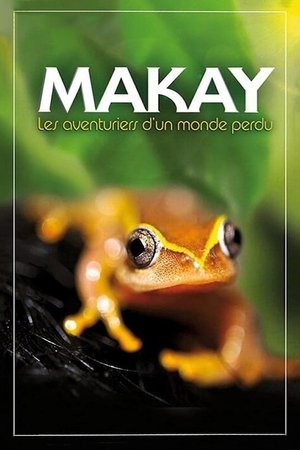
In 2007 the young explorer Evrard Wendenbaum cultivates the dream to lead an international team of researchers to the rocky trails of Makay, an almost unknown region Southeast of Madagascar. Canal + followed his project and decided to make a 90 minute 3D documentary. Pierre Stine directed the shooting with four stereographers from Binocle (Paris, France) in charge of 3D : 2 months of green hell with 90% humidity, temperatures above death valley level, torrential rain, snake bites, and other fun moments.
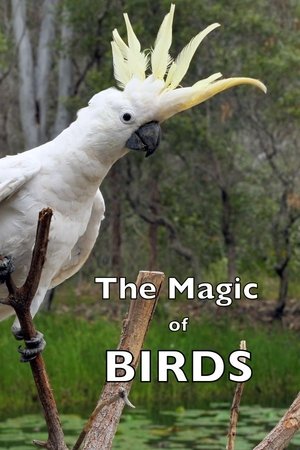
Over 50 species of birds in their natural habitats, the Outback, Wetlands, and Rainforests spread all over the country—the most varied collections of big and small birds, with background music and ambient sounds.
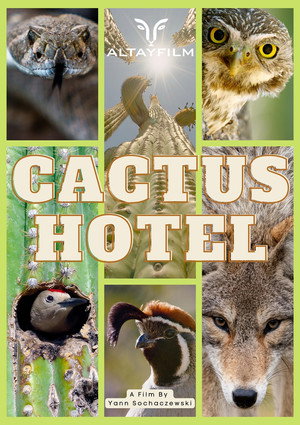
Told by an old Sagauro cactus, of the many guests which live in its "hotel," from ants to owls nestling in its bark and unlikely co-habitants such as a rattle snake and next door, protected by a barrier of thorn balls, a desert rat.
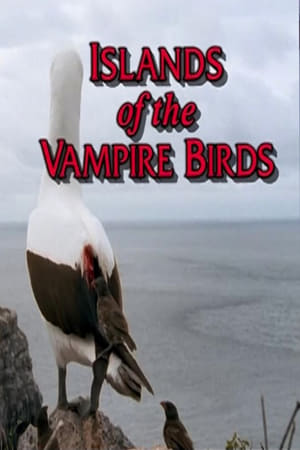
The story of Darwin's finches and their relationship with other creatures of the Galapagos; tracing their evolution, how the islands were formed and how it's main inhabitants got there.
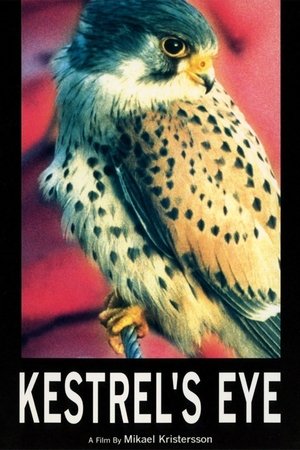
Swedish filmmaker Mikael Kristersson directs this austere yet beautiful experimental documentary about two European falcons. Shot over the course of two years, Kristersson manages to fashion a narrative without the use of voice-overs or music, showing the falcons as they forage for food and tend to their eggs. Much of this film, though, is spent viewing the world from the falcons' vantage point -- high up on a 13th century church steeple, watching the groundskeeper tending to the village cemetery and the choir boys growing tired of a long religious procession. ~ Jonathan Crow, Rovi
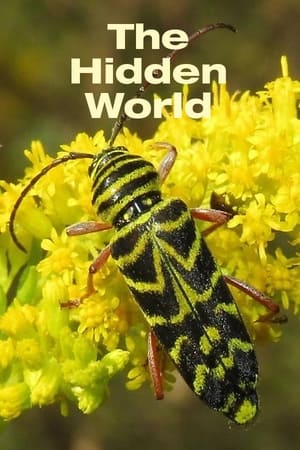
The Hidden World is a 1958 American science documentary film produced by Robert Snyder and narrated by Gregory Peck. The film is about insects. It was nominated for an Academy Award for Best Documentary Feature.
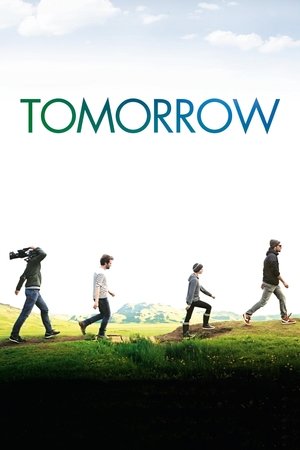
Climate is changing. Instead of showing all the worst that can happen, this documentary focuses on the people suggesting solutions and their actions.