A rare look inside Cuba’s LGBT community, this compelling film follows the efforts of Mariela Castro, daughter of President Raúl Castro, as she champions LGBT social reforms and acceptance of diversity.
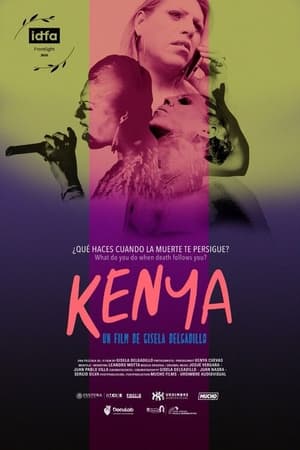
Documentary about a group of transgender teens and young adults struggling to find the resources, safety, and confidence to express their gender identity.
A film about Florida's little-known investigative committee of the State Legislature from 1956-1964. The committee's aim was to root out homosexual teachers and students from state universities and it was successful in either firing or expelling more than 200 suspected gays and lesbians. The film features two victims and one interrogator who have never before spoken publicly about their experiences. It culminates in a 50-year reunion between victim and interrogator.
"La Gigue" (Gaumont #590) is part of the "Miss Lina Esbrard. Danseuse cosmopolite et serpentine" series of 4 films, and should not be confused with "Danse excentrique" (Gaumont #587), "Danse serpentine" (Gaumont #588, the only extant film in the series), or "Danse fantaisiste" (Gaumont #589).
"Danse serpentine" (Gaumont #588) is part of the "Miss Lina Esbrard. Danseuse cosmopolite et serpentine" series of 4 films, and should not be confused with "Danse excentrique" (Gaumont #587), "Danse fantaisiste" (Gaumont #589) or "La Gigue" (Gaumont #590).
A former U.S. Navy Seal seeks life, liberty and the pursuit of happiness living life as a transgender woman.
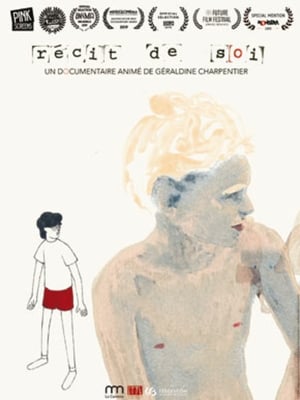
Sascha’s name wasn’t always Sascha. But now it is. Sascha doesn’t identify as a man or as a woman, but as trans non-binary. A story about what it means to live in a society that wasn’t expecting you. A glimpse into a life that allows us to question our own categories. And a film about what it means to be oneself.
Hotel Armada is a curated portrait of dance and expression showcasing talents in the world of contemporary, vogue, and ballet. It is an integration of time, space, movement and sounds highlighting each performer's rawness in their power and beauty.
Dance for All
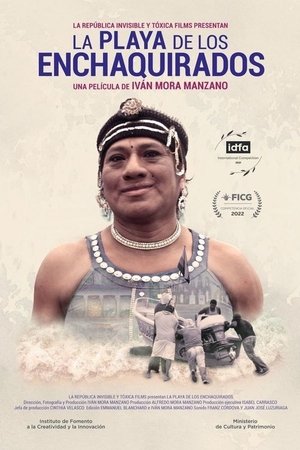
A documentary about the lives of six transgender women in post-Franco Spain.
Originally broadcast on ABC's True Stories in 1993, Feed Them to the Cannibals tells the story of Sydney's Gay and Lesbian Mardi Gras. It was the first time cameras were allowed at Sleaze Ball and the Mardi Gras Party.
Early 19th-century England is usually seen through the eyes of Jane Austen and the Brontë sisters. Sue Perkins explores a dramatically different version, as lived and recorded by Anne Lister. A Yorkshire landowner, she kept a detailed, partly coded diary, revealing graphic details of her love affairs with women. Regency England was surprisingly tolerant of Anne's chosen lifestyle, and it was only when Anne sought to sink a coal mine on her land that criticism of her private life became public.
Pina Bausch created and performed Café Müller for her dance company Tanztheater Wuppertal. The dance was inspired by and based on her childhood memories of watching her father work at his café in Germany during and immediately following World War II. In this silent style featurette, Bausch shows a restaurant after closing, in which the ghosts of the departed customers stumble blindly into walls and onto chairs but fail to find one another.
Imposed under the British colonial rule in 1860, Section 377 of the Indian Penal Code criminalise any sexual acts between consenting adults of the same sex, stigmatising them as 'against the order of nature'. On July 2, 2009 the Delhi High Court passed a landmark judgment scrapping this clause, thus fulfilling the most basic demand of the Indian LGBTQ community, which had been fighting this law for the past 10 years. Three characters, Beena, Pallav and Abheena travel through the city of Bombay heading to the celebrations for the first anniversary of the historic verdict. '365 without 377' is the story of their journey towards freedom.
A short documentary about the October 14 1979 March For Lesbian And Gay Rights in Washington D.C.
The video revolution of the 1970s offered unprecedented access to the moving image for artists and performers. This Is Not a Dream explores the legacies of this revolution and its continued impact on contemporary art and performance. Charting a path across four decades of avant-garde experiment and radical escapism, This Is Not a Dream traces the influences of Andy Warhol, John Waters and Jack Smith to the perverted frontiers of YouTube and Chatroulette, taking in subverted talk shows and soap operas, streetwalker fashions and glittery magic penises along the way.
Private Diary documents photographer Pedro Usabiaga working with a variety of amateur models. The audience sees how the relationships between the photographer and the subjects changes during their time together, as well as how the individual photographs begin to take shape. Pedro Usabiaga is a well-established Basque photographer whose chief concerns are figurative photography and whose passion in photographing the Spanish male. In this hour long conversation with the artist we are given entry into that process of selecting models (none of the models he uses for this book to be titled 'Private Diary' are professional, but instead are randomly chosen as Usabiaga observes athletes in action) and then allowed to follow Usabiaga and his crew as they photograph these men in natural settings and natural light.
A story of the LGBT struggle from the 1960s to the present, after the Stonewall riot sparked the militant action in New York that was to spread around the world. From San Francisco to Paris via Amsterdam, between the first Gay Pride, the election of Harvey Milk, the French "decriminalization", the AIDS epidemic and the first homosexual marriages, these few decades of struggle are embodied through numerous testimonies of actors and actresses of this revolution rainbow.
In Jacob Sutton’s film “Ascension”, two young dancers soar up from the darkness beneath the stage at Bastille to the sumptuous Grand Foyer and eventually to the rooftop of the Palais Garnier, where they experience moments of heavenly, dreamlike luminosity.
For two hundred years, the Shakers have been America's most successful utopian society. While seeking harmony, order and perfection in every aspect of their lives, they built minimalistic furniture and buildings that influenced modern design. The Shakers wrote songs of exquisite beauty and danced to the point of ecstasy during their religious meetings. Inspired by this music and dance, choreographer Tero Saarinen created Borrowed Light, a dance piece about communal life and individual sacrifice. Shot in Finland and the United States, featuring interviews and excerpts from Borrowed Light, this documentary explore the cultural legacy of this religious group devoted to creating heaven on earth.