Until he was 11, Detlef Kammrath (René Siodla) had a carefree childhood. But now his parents have decided to go their separate ways and divorce - a catastrophe for the boy. The court awards custody to his mother (Karin Schröder), but Detlef harshly rejects his mother's new partner (Gerd Grasse). He sees him as the person responsible for his unhappiness. Hoping to improve the family atmosphere, his mother forbids the boy from meeting his biological father; this leads to Detlef's absolute despair, and he becomes a "case" for child welfare services.
Elzan has been framed. He must prove his innocence before his family suffers the consequences. The victims keep falling, and a secret from the past is uncovered. Who is truly behind all this chaos?
Everyone deserves a great love story, but for 17-year-old Simon Spier, it's a little more complicated. He hasn't told his family or friends that he's gay, and he doesn't know the identity of the anonymous classmate that he's fallen for online.
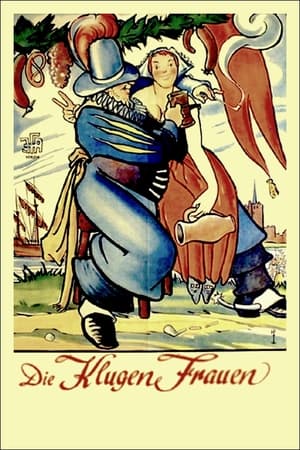
Flanders, Hispanic Monarchy, 1616. The inhabitants of the small town of Boom are busy organizing the annual local festivities when the arrival of the Duke of Olivares, who rules the country on behalf of the King Philip III of Spain, is announced. While the male citizens cowardly surrender to panic, the brave female citizens decide to become the best hosts the Spaniards can ever meet. (German version of the French film La Kermesse héroïque, 1935.)
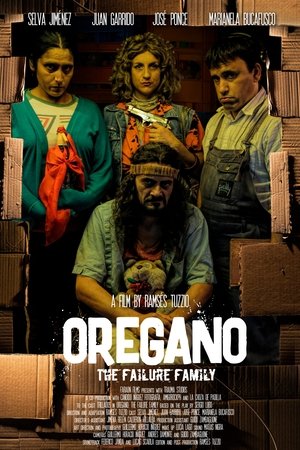
"Oregano" is the story of a dysfunctional and very poor family, made up of four members: the mother, a former singer who failed in her career and expresses her frustration through anger and violence; the father, a former butcher who had to close his business after the 2001 crisis and was confined to a wheelchair; the youngest son, who does not finish elucidating his sexuality, escapes from reality building a universe of fantasies, but at the same time seeks to become independent; and the eldest daughter, who questions her identity and that of her family, realizing that she is the same age as her father. The family lives in a small house where individual conflict and frustrations are combined with group ones, which unleashes a chain of events that leads to the rupture of their traditional scheme.
A flat broke aging boxer, living on the verge of existence, teams up with the equally desperate people in the city's suburbia to steal, cheat, and even kill for the money.
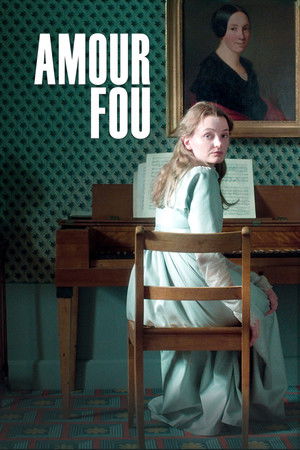
Heinrich wishes to conquer death through love, and when he meets Henriette, the wife of a business acquaintance, she expresses interest in a suicide pact when she learns she has a terminal illness.
In October 1991, a confluence of weather conditions combined to form a killer storm in the North Atlantic. Caught in the storm was the sword-fishing boat Andrea Gail.
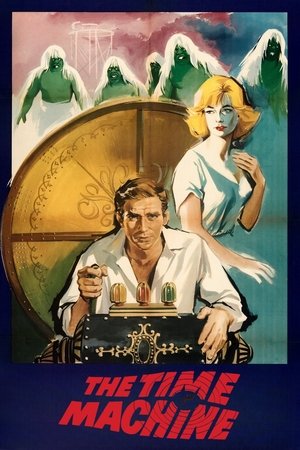
A Victorian Englishman travels to the far future and finds that humanity has divided into two hostile species.
Tomorrow I'll Be a Fire-Tree
A Tunisian couple, Dali and Mariem, welcomes their first child, only to discover the baby is intersex, with biological sex characteristics that do not fit typical male or female definitions. Confronted with societal pressure, family expectations, and their own uncertainties, they struggle to navigate the stigma and challenges imposed by rigid gender norms. As they grapple with decisions about identity, acceptance, and the future, the family’s bonds are tested, forcing them to confront deeply ingrained beliefs about gender, society, and parenthood.
Describes the many by-products resulting from the carbonisation of coal.
L’épopée des vignerons
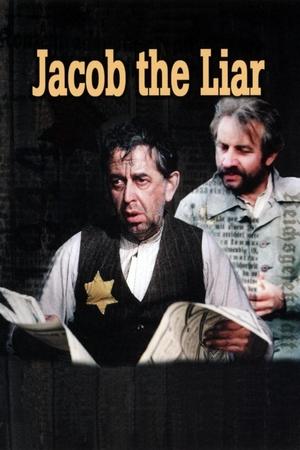
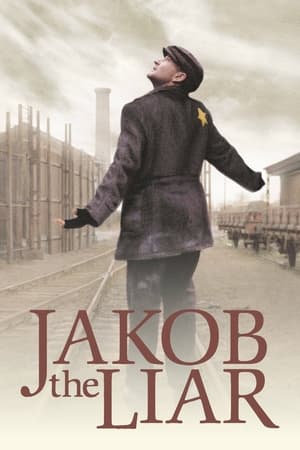
A Jewish ghetto in the east of Europe, 1944. By coincidence, Jakob Heym eavesdrops on a German radio broadcast announcing the Soviet Army is making slow by steady progress towards central Europe. In order to keep his companion in misfortune, Mischa, from risking his life for a few potatoes, he tells him what he heard and announces that he is in possession of a radio - in the ghetto a crime punishable by death. It doesn't take long for word of Jakob's secret to spread - suddenly, there is new hope and something to live for - and so Jakob finds himself in the uncomforting position of having to come up with more and more stories.
Germany in the autumn of 1957: Lola, a seductive cabaret singer-prostitute exults in her power as a temptress of men, but she wants out—she wants money, property, and love. Pitting a corrupt building contractor against the new straight-arrow building commissioner, Lola launches an outrageous plan to elevate herself in a world where everything, and everyone, is for sale. Shot in childlike candy colors, Fassbinder’s homage to Josef von Sternberg’s classic The Blue Angel stands as a satiric tribute to capitalism.
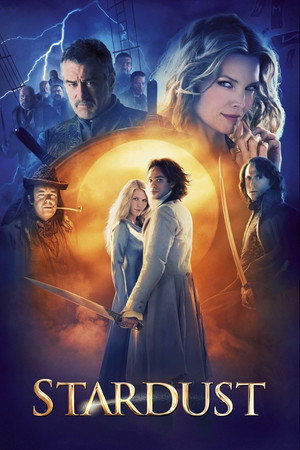
In a countryside town bordering on a magical land, a young man makes a promise to his beloved that he'll retrieve a fallen star by venturing into the magical realm. His journey takes him into a world beyond his wildest dreams and reveals his true identity.
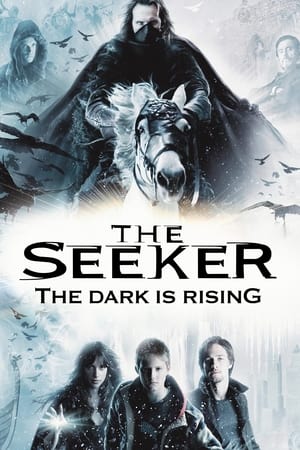
A boy's life is turned upside down when he learns that he is the last of a group of immortal warriors who have dedicated their lives to fighting the forces of the dark.
Richard Martin buys a gift, a new NDR-114 robot. The product is named Andrew by the youngest of the family's children. "Bicentennial Man" follows the life and times of Andrew, a robot purchased as a household appliance programmed to perform menial tasks. As Andrew begins to experience emotions and creative thought, the Martin family soon discovers they don't have an ordinary robot.
In 1944 Poland, a Jewish shop keeper named Jakob is summoned to ghetto headquarters after being caught out after curfew. While waiting for the German Kommondant, Jakob overhears a German radio broadcast about Russian troop movements. Returned to the ghetto, the shopkeeper shares his information with a friend and then rumors fly that there is a secret radio within the ghetto.
A man attempting to make a video tutorial soon realizes the task is more difficult than he previously imagined.